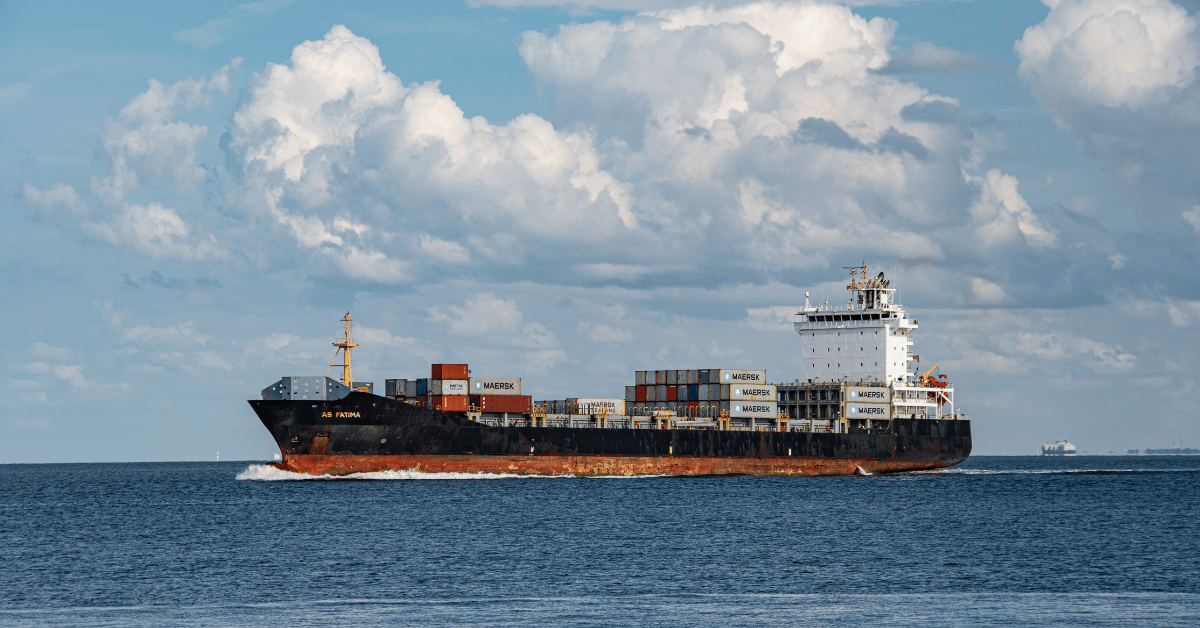
The launch of the India-EU Green Shipping Corridor coalition at Sagarmanthan is a welcome shift from ambition to execution, and it signals that the maritime industry is finally ready to move past pilot projects. The alliance, announced by Shipping Secretary Vijay Kumar, aims to bring companies together to develop cleaner trade routes and accelerate the adoption of low-emission fuels. For our readers, researchers, policymakers, and industry leaders who track the gap between feasibility studies and real-world deployment, this is the kind of measured, collaborative step that can generate the empirical data we need. The corridor's focus on green ammonia and methanol directly connects to ongoing technical work, such as the Predicting maritime ammonia leaks through a validated digital twin system being developed by ABS, HD Korea Shipbuilding, and Siemens. That digital twin project is not theoretical; it is a calibrated tool for managing the very fuels this corridor intends to scale. Likewise, the Tri-Fuel Ore Carrier Fleet Signals Measurable Shift in Maritime Decarbonization operated by MOL under a long-term Vale contract demonstrates that multi-fuel vessels are already entering service. The India-EU corridor now provides the integrated route network those ships will need.
What makes this coalition stand out is its explicit attempt to match India's production potential in green fuels with European demand. This is not a vague pledge; it is a commercial alignment. India's Maritime Amrit Kaal 2047 vision, presented by Union Minister Sarbananda Sonowal, and programmes like Sagarmala and PM Gati Shakti provide the domestic infrastructure framework. The corridor's feasibility study, launched in 2025 and now moving toward implementation, suggests a timeline that respects the complexity of fuel supply chains. Prime Minister Modi's message that "the oceans do not separate us; they connect us" captures the logic of this partnership. The presence of delegations from Australia, Norway, South Korea, the UAE, and multiple African nations, along with the Asian Investment Bank and UN Trade and Development, confirms that this is not a bilateral side project. It is an attempt to build a replicable model for green shipping corridors worldwide.
The practical consequence for our readers is measurable: this coalition creates a testbed for the entire fuel lifecycle, from production to bunkering to combustion. The Methanol from Bogibeel signals Dibrugarh's return to international river trade shows that India's inland waterways are already moving methanol cargoes. The green shipping corridor extends that logic to deep-sea routes. The open question is whether the coalition can deliver the kind of longitudinal, peer-reviewed data on fuel performance and emissions that the industry needs to move beyond demonstration projects. The initial session, "Tides of Trust," featured former Australian Prime Minister Kevin Rudd and DP World CEO Rizwan Soomar, which suggests that trust between port operators and fuel suppliers is the bottleneck. Watch for the first published results from the corridor's pilot voyages: they will either validate the economics or force a recalibration of the fuel pathways being pursued.