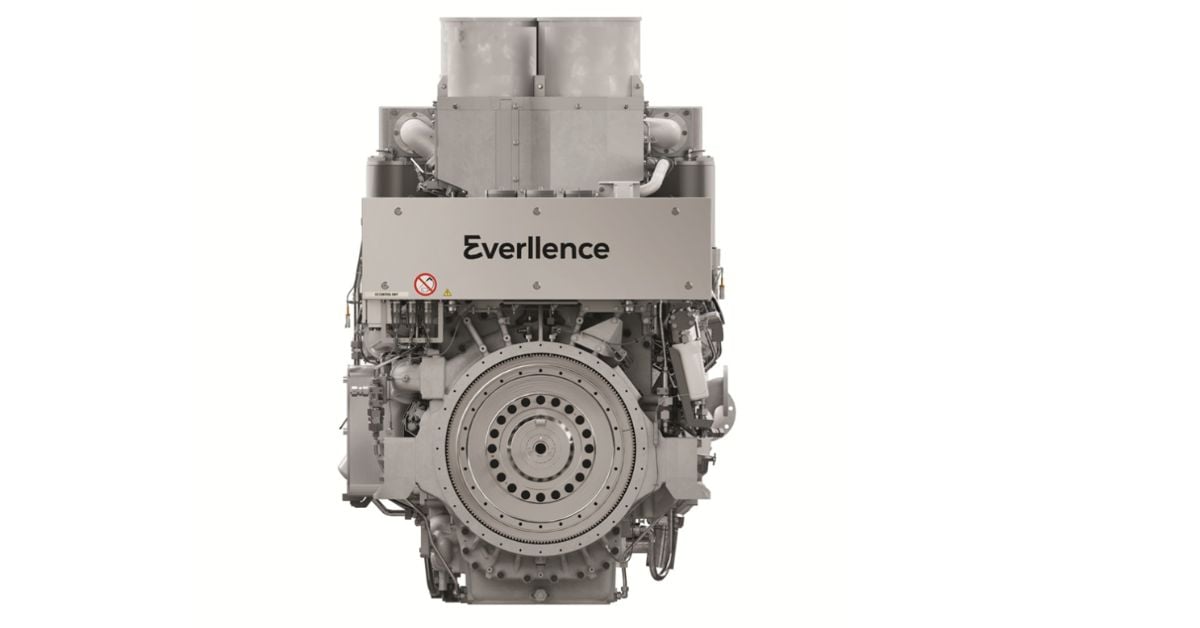
Damen Shipyards and Everllence have signed a framework agreement for the serial supply of the 175D engine, a fuel-flexible power system destined for a new generation of tugs. This is not a speculative pilot or a single-vessel demonstration; it is a production-line commitment. The deal signals that the maritime industry is moving beyond the "what if" phase of alternative fuel adoption and into the "how many" phase. For readers tracking the practical path to decarbonization, this is a concrete data point worth holding onto.
We have reported on validated engine technology for ore carriers and validated carbon capture for existing fleets, and the thread running through those stories is the same: operational readiness matters as much as theoretical efficiency. Validated Engine Technology Drives Sustainable Shipping for Ore Carriers showed that a single engine design can serve a series of 10 very large ore carriers, proving repeatability. Validated Carbon Capture Offers Significant Emissions Reduction for Shipping. demonstrated that retrofit solutions can cut CO₂ while fuel supply chains catch up. The Damen-Everllence framework agreement sits in the same empirical family: it treats fuel flexibility as an integrated design requirement rather than an aftermarket add-on. When a shipbuilder commits to serial production of an engine that can switch between conventional and lower-carbon fuels, the assumption shifts from "will this work?" to "how quickly can we scale it?"
Our take is that this agreement forces a clearer conversation about infrastructure. A fuel-flexible tug is only as useful as the fuel available at its home port. The engine itself is validated, the 175D has peer-reviewed performance data behind it, but the real test is whether ports, bunkering networks, and regulatory frameworks can match the pace of engine deployment. The most forward-thinking vessel design in the world still depends on a global fuel supply chain that is, today, fragmented. Readers should watch for the next step: who announces the first terminal capable of supplying the fuels this engine is designed to burn?
A specific takeaway worth quoting: "A production-line agreement for fuel-flexible engines is a measurable signal that the maritime sector is calibrating for a multi-fuel future, not waiting for a single winner." That is the point. The ocean intelligence community has long argued that integrated data ecosystems, tracking fuel availability, emissions, and operational patterns in real time, are necessary to make these transitions work. Damen and Everllence have provided the hardware. The software, policy, and logistics layers still need to catch up. That is the open question, and it is the one we will be following closely.