maritime surveillance
9 stories filed under maritime surveillance on World Data Ocean. The newest of them: “Missing Crew and Spill Risk Follow Gulf of Thailand Sinking”, “New patrol vessel INS Srishti strengthens India's maritime observation capacity”, and “Sweden Deploys Four Autonomous Saildrones for Year-Long Baltic Sea Watch”. Six crew members remain missing after the fishing fuel-supply vessel *Venus 14* sank off Sattahip in the Gulf of Thailand. The Indian Navy's newest vessel, INS Srishti, is now in the water. A Global Hub for Ocean Intelligence 4 World Data Ocean is a centralized digital platform where researchers, scientists, and ocean enthusiasts converge to… The list below is every maritime surveillance story on World Data Ocean, newest first.
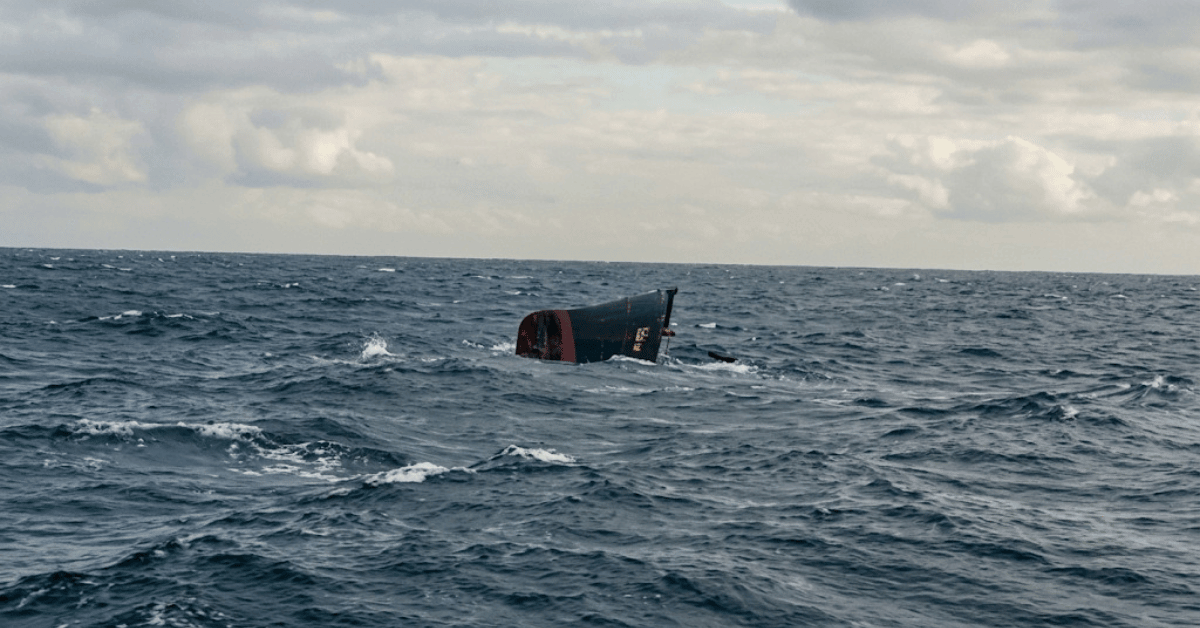
Missing Crew and Spill Risk Follow Gulf of Thailand Sinking
Six crew members remain missing after the fishing fuel-supply vessel *Venus 14* sank off Sattahip in the Gulf of Thailand. The Royal Thai Navy has launched a search-and-rescue operation while preparing for a potential oil spill. This incident underscores the real-time risks facing both maritime workers and coastal ecosystems. For broader context on ocean security challenges, see our coverage of recent maritime interdictions that seized 25,000 pounds of cocaine, a different but equally urgent dimension of protecting our seas.

New patrol vessel INS Srishti strengthens India's maritime observation capacity
The Indian Navy's newest vessel, INS Srishti, is now in the water. Launched by Goa Shipyard Limited, this Next Generation Offshore Patrol Vessel strengthens India's maritime observation capacity with measurable, real-time ocean intelligence. It is a calibrated step forward for national security and climate monitoring. For a parallel in marine stewardship, see our coverage of DP World's partnership to reclaim abandoned fishing nets from the Sea of Marmara.
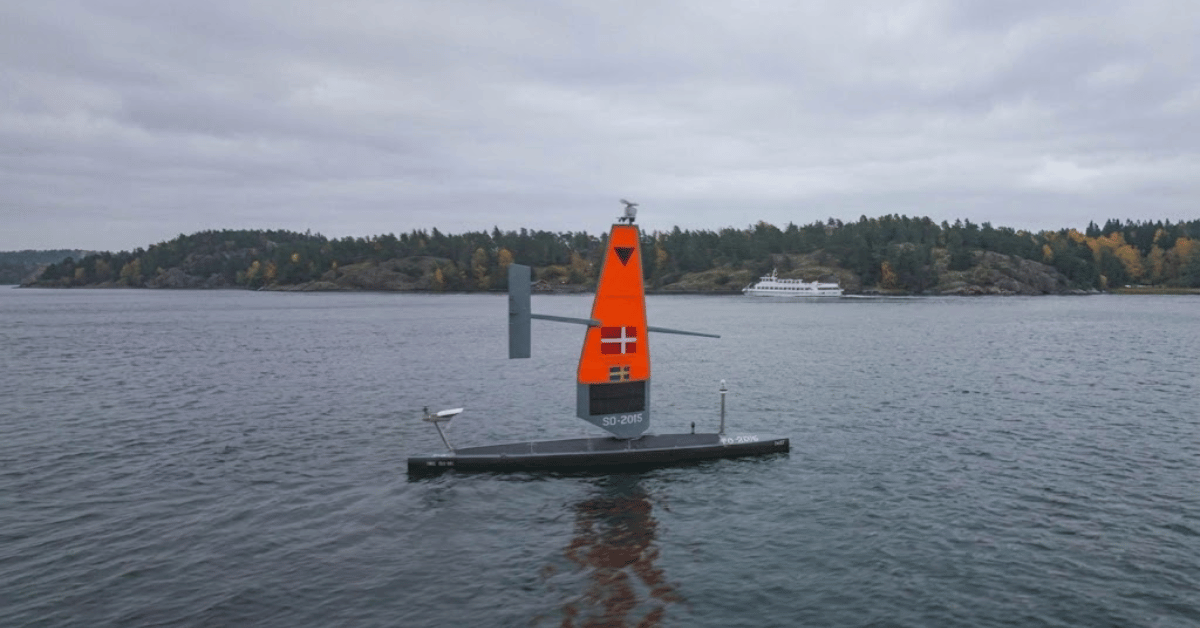
Sweden Deploys Four Autonomous Saildrones for Year-Long Baltic Sea Watch
Four autonomous Saildrones will spend 360 days patrolling Sweden's Baltic waters, delivering persistent maritime surveillance that was previously impossible at this scale. This deployment transforms how we monitor a region where climate indicators and human activity converge. Understanding drives protection. For deeper context on how such ocean intelligence systems maintain measurable traceability, see our related piece, "Connecting ocean data to its methods for measurable traceability." The Baltic Sea now has an integrated data ecosystem, one that operates in real time, not on quarterly reports.
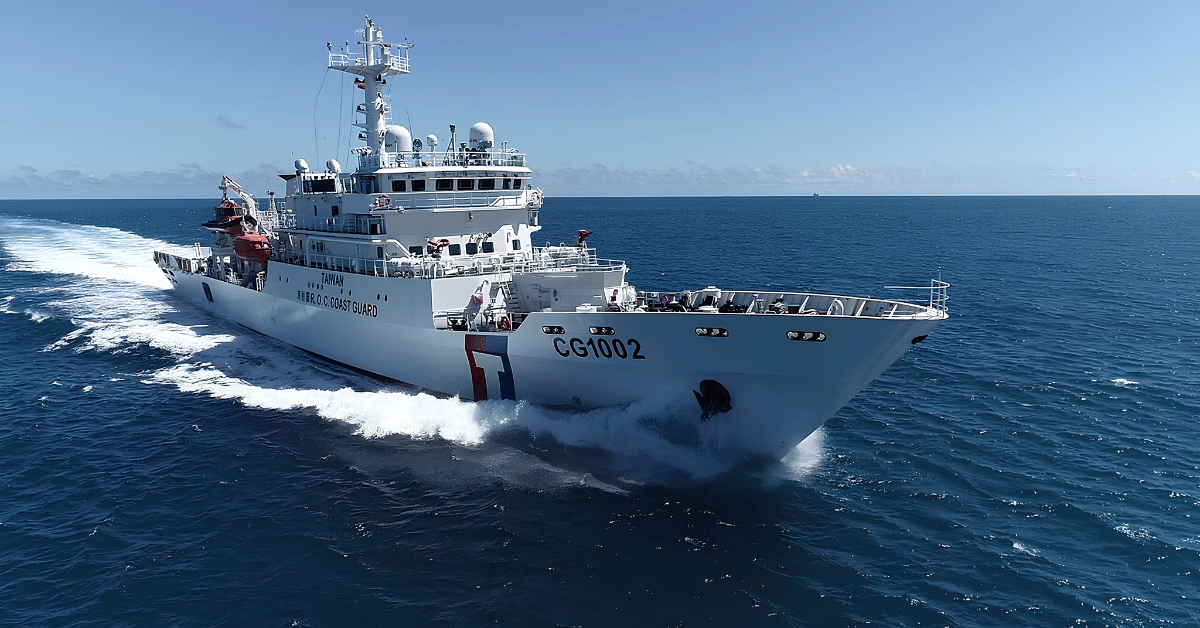
Taiwan Coast Guard Deploys V-BAT Drones for Validated Maritime Surveillance
Twelve V-BAT drones are headed to Taiwan's Coast Guard, with Shield AI delivering the first uncrewed aircraft in a validated maritime surveillance program. These systems will support coastal patrols and law enforcement operations across vital waters. This is empirical, integrated ocean intelligence in action, deploying real-time, peer-reviewed technology where it is needed most. For further context on regional maritime security, see our coverage of the *First Sightings of Chinese Militia Vessel Near Taiwan's Eastern Coast*.
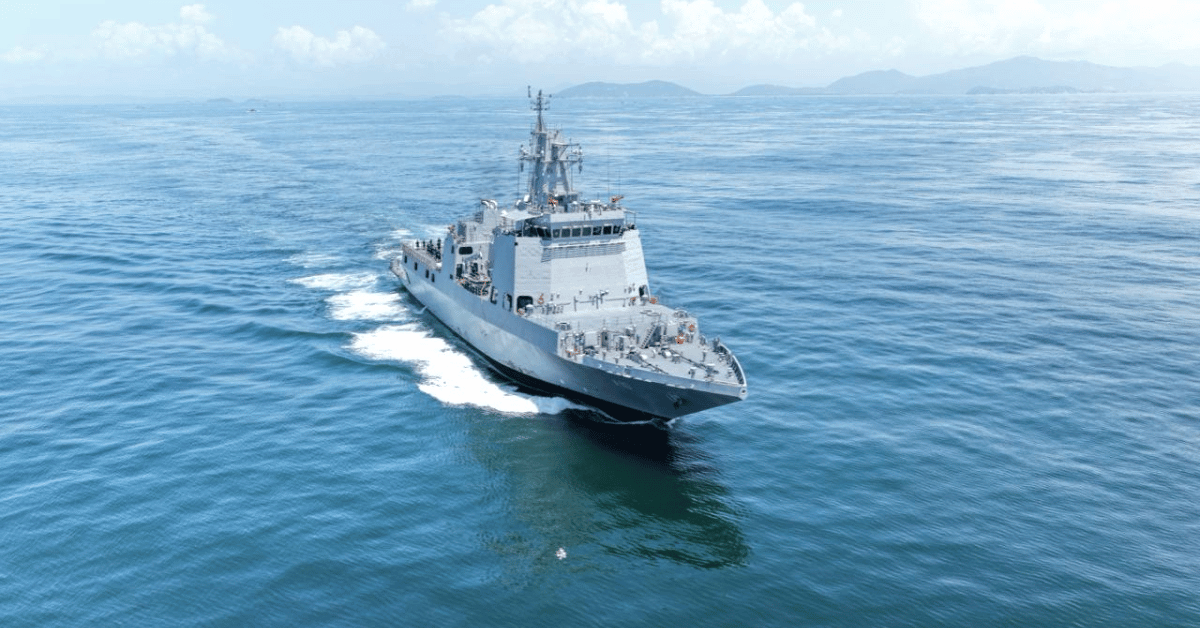
Indigenous Multipurpose Vessel Samarthak Joins Indian Navy at Karwar
On 16 October 2026, the Indian Navy commissions *Samarthak*, its first indigenously built Multi-Purpose Vessel, at Karwar. This is not merely a ceremony; it is a validated step toward self-reliant maritime capability. Indigenous shipbuilding strengthens our integrated data ecosystem for ocean intelligence, and this vessel will contribute measurable, real-time climate indicators. For deeper context on how recovered artifacts expand our understanding, see our coverage of the Britannic wreckage. Understanding drives protection.

Black Sea cargo vessel lost in attack leaves 11 seafarers missing
A cargo vessel lost in an attack on the Black Sea has left 11 seafarers missing. Five crew members were rescued from the sunken ship, identified by the Bulgarian President as the Guinea-Bissau-flagged *HS Dignity*. This incident follows a troubling pattern of escalating risk to commercial shipping in the region, as detailed in our coverage of the drone strike that sank the Maltese-flagged *Chelsea 3*. The human cost is a sobering, empirical indicator of maritime vulnerability.
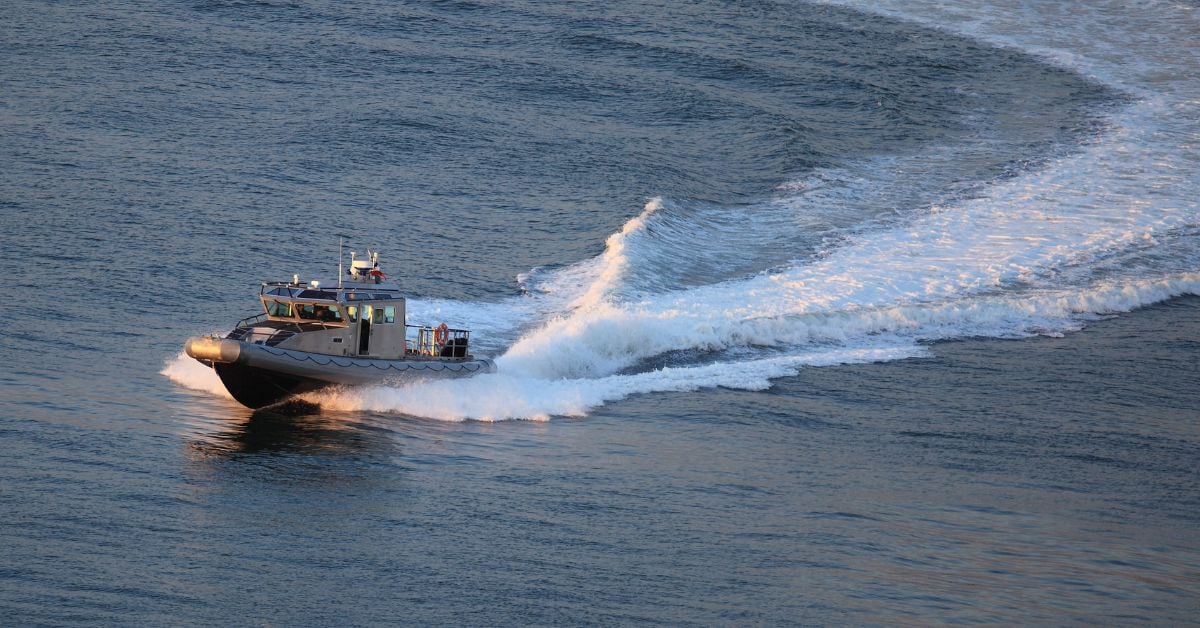
First Sightings of Chinese Militia Vessel Near Taiwan's Eastern Coast
A Chinese militia vessel has been sighted off Taiwan's eastern coast for the first time, accompanied by two other boats. This is a measurable development in a region where empirical data on maritime activity matters. The sighting demands calibrated observation, not alarm. For deeper context on evolving naval capabilities, see our related coverage: "A mothership for underwater drones signals a new era in ocean intelligence." Understanding these movements is essential for integrated ocean security.
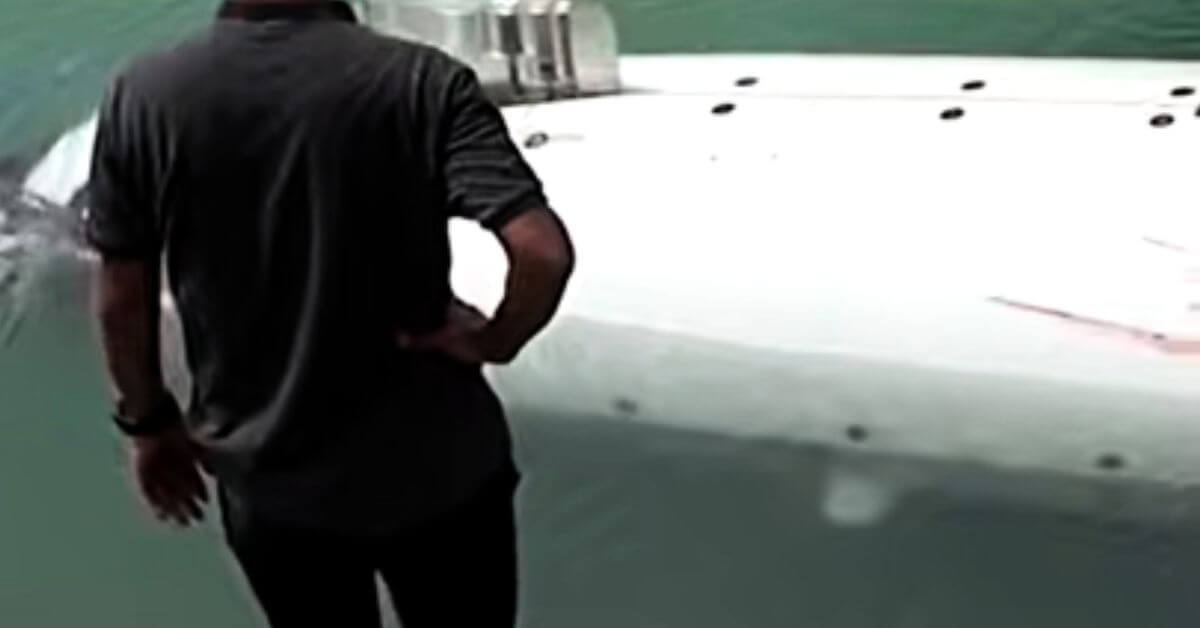
Iranian Forces Recover Advanced U.S. Unmanned Submarine in Hormuz.
Iranian forces have recovered an advanced U.S. unmanned submarine in the Strait of Hormuz, claiming the drone was added to the American fleet in 2025. The IRGC released video footage it says shows the craft. This incident unfolds against a backdrop of heightened maritime tension. For broader context on regional shipping pressures, our coverage of "Phased Negotiations Aim to Ease Restrictions on Strait of Hormuz" examines diplomatic efforts to restore navigation through this critical chokepoint.

Unmanned Systems Enhance Maritime Security, Intercepting $81M in Cocaine.
A single unmanned surface vehicle turned the tide of a multi-million-dollar drug run. Operating ahead of the interdiction, the system tracked the target, relayed real-time coordinates, and enabled a U.S. Navy crew to close in and seize $81 million in cocaine. This is not just a successful bust; it is a measurable demonstration of how autonomous systems are redefining maritime law enforcement.