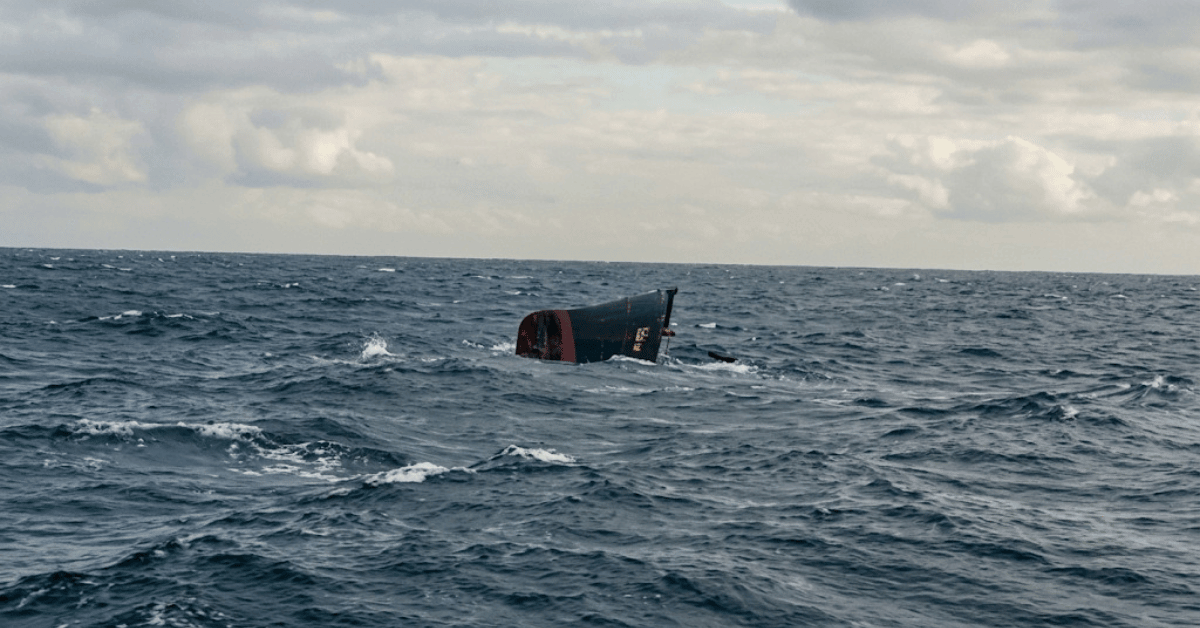
Six crew members are missing after the fishing fuel-supply vessel Venus 14 sank in the Gulf of Thailand, and the Royal Thai Navy is now searching for survivors while preparing for a potential oil spill. This incident underscores a reality our readers know well: ocean stewardship is not abstract, it is operational. The same waters that host critical climate indicators and marine biodiversity are also transit routes for aging vessels carrying unknown fuel loads. When a ship goes down with its crew and its cargo unaccounted for, the consequences ripple from human tragedy to environmental risk.
The Royal Thai Navy's response, deploying patrol boats, surveillance aircraft, and oil-spill response teams, is a necessary and familiar protocol. But the gaps in information are troubling. We do not know the vessel's fuel load, the cause of the sinking, or the condition of the six missing crew members. This lack of transparency is not unique to this event. In September, the same naval command led a search for missing Myanmar crew after a fishing boat sank off Sattahip. These recurring incidents point to a systemic vulnerability in maritime safety and environmental preparedness across the Gulf. As we have noted in our coverage of Maritime Interdictions Yield 25,000 Pounds of Cocaine, Supporting Ocean Security, the same patrol assets that interdict illegal cargo can also serve as first responders, but only if the underlying infrastructure for monitoring and prevention is robust. The Gulf of Thailand, a region we have also examined for its Gulf of Thailand Physalia Clarified: Taxonomy and Distribution Insights, is a dynamic ecosystem where a single fuel leak can disrupt food webs and coastal livelihoods for years.
For researchers and policymakers, this incident reinforces a practical takeaway: we need integrated data ecosystems that track vessel movements, fuel loads, and environmental conditions in real time. Without empirical baselines on vessel traffic and cargo, response teams are operating blind. The navy's standby deployment of HTMS Panyi and a helicopter with oil-spill equipment is commendable, but it is a reactive measure. The proactive step is to mandate and enforce transparent reporting of fuel loads and vessel maintenance for all supply and fishing vessels operating in sensitive marine areas. The Baltic Sea incident involving a Russian warship's flares, which we covered in Baltic Sea Incident: Russian Warship’s Flares Prompt International Concern, shows how quickly a maritime event can escalate into a matter of regional security and environmental concern. The Gulf of Thailand deserves no less scrutiny.
The specific detail to watch in the coming days is the navy's confirmation of the Venus 14's fuel load and the condition of the wreck. If the vessel carried heavy fuel oil, a spill could drift toward the Sattahip Naval Base and nearby coastal communities, compounding the human cost of the missing crew. Until that data is validated and shared, the region remains in a waiting pattern, one where the ocean holds the answers, but only if we are equipped to measure them.