geology
World Data Ocean keeps geology in one place: 15 stories so far. The section currently leads with “Cascadia’s Subduction Zone Reveals a Fragmented Tectonic Process”, “Fossilized Poop Reveals Feathered Dinosaur Traits Linked to Survival”, and “Cascadia and San Andreas: Evidence Suggests Sequential Earthquake Risk”. Off Vancouver Island, scientists have captured a subduction zone in the act of tearing itself apart. A rare fossilized coprolite is reshaping how we read survival in the Cretaceous. A Global Hub for Ocean Intelligence 4 World Data Ocean is a centralized digital platform where researchers, scientists, and ocean enthusiasts converge to… The list below is every geology story on World Data Ocean, newest first.
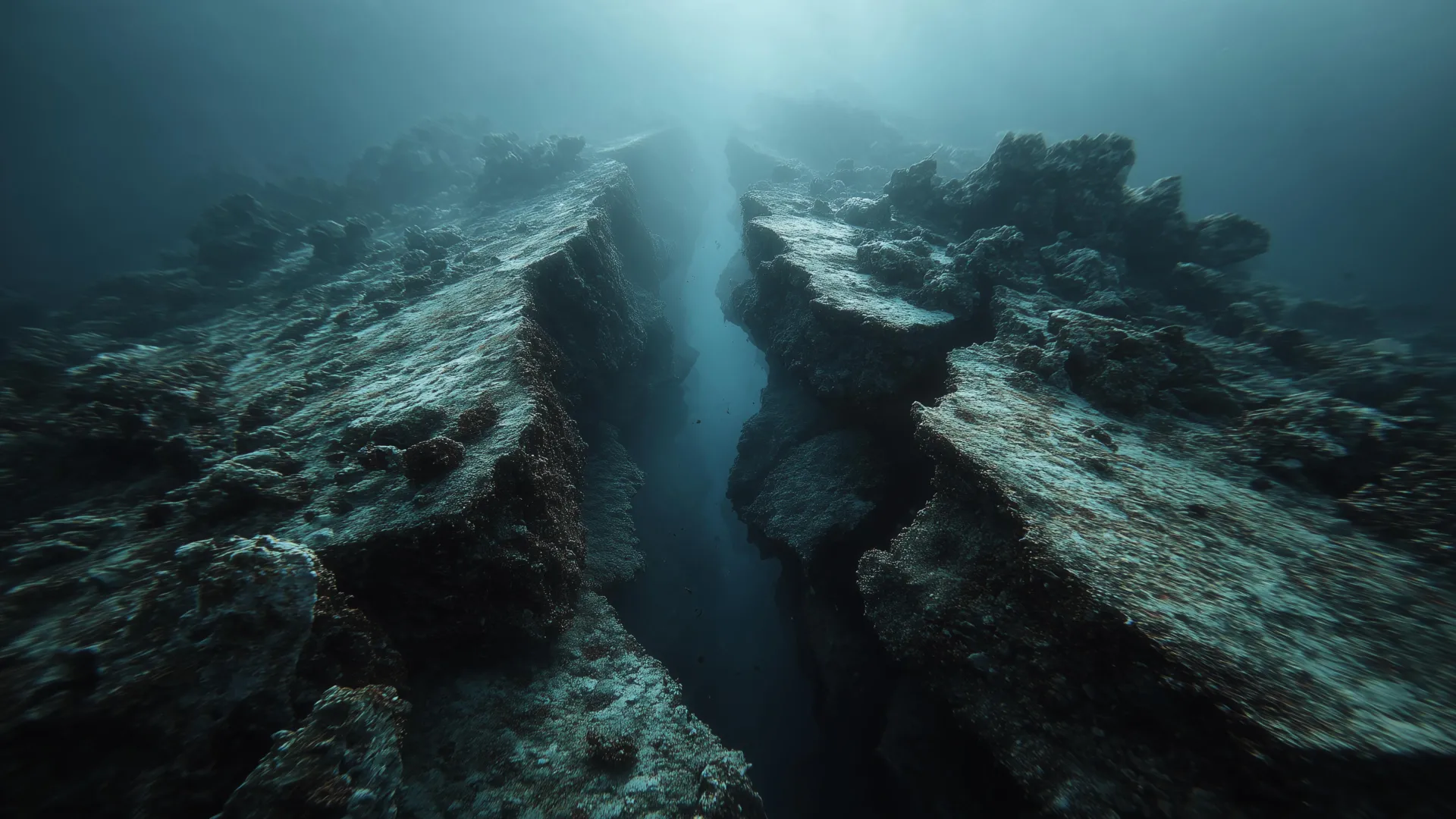
Cascadia’s Subduction Zone Reveals a Fragmented Tectonic Process
Off Vancouver Island, scientists have captured a subduction zone in the act of tearing itself apart. The Cascadia fault is not dying as a single, monolithic system. Instead, new evidence suggests it is fragmenting piece by piece. This process offers a rare window into how ancient plate fragments form and where hidden breaks might influence future seismic activity. Understanding this measured, piecemeal unraveling is key to refining our earthquake models.

Fossilized Poop Reveals Feathered Dinosaur Traits Linked to Survival
A rare fossilized coprolite is reshaping how we read survival in the Cretaceous. The specimen hints that feather differences among early birds were not just aesthetic but functional, tied directly to which lineages endured the asteroid impact. It is a quiet but compelling clue, one that turns a familiar extinction narrative toward smaller, more specific biological drivers. For broader context on ancient catastrophes, our coverage of the *Ancient Impact Crater, 390 Million Years Old, Identified in Quebec* offers a deeper look at Earth's violent history.
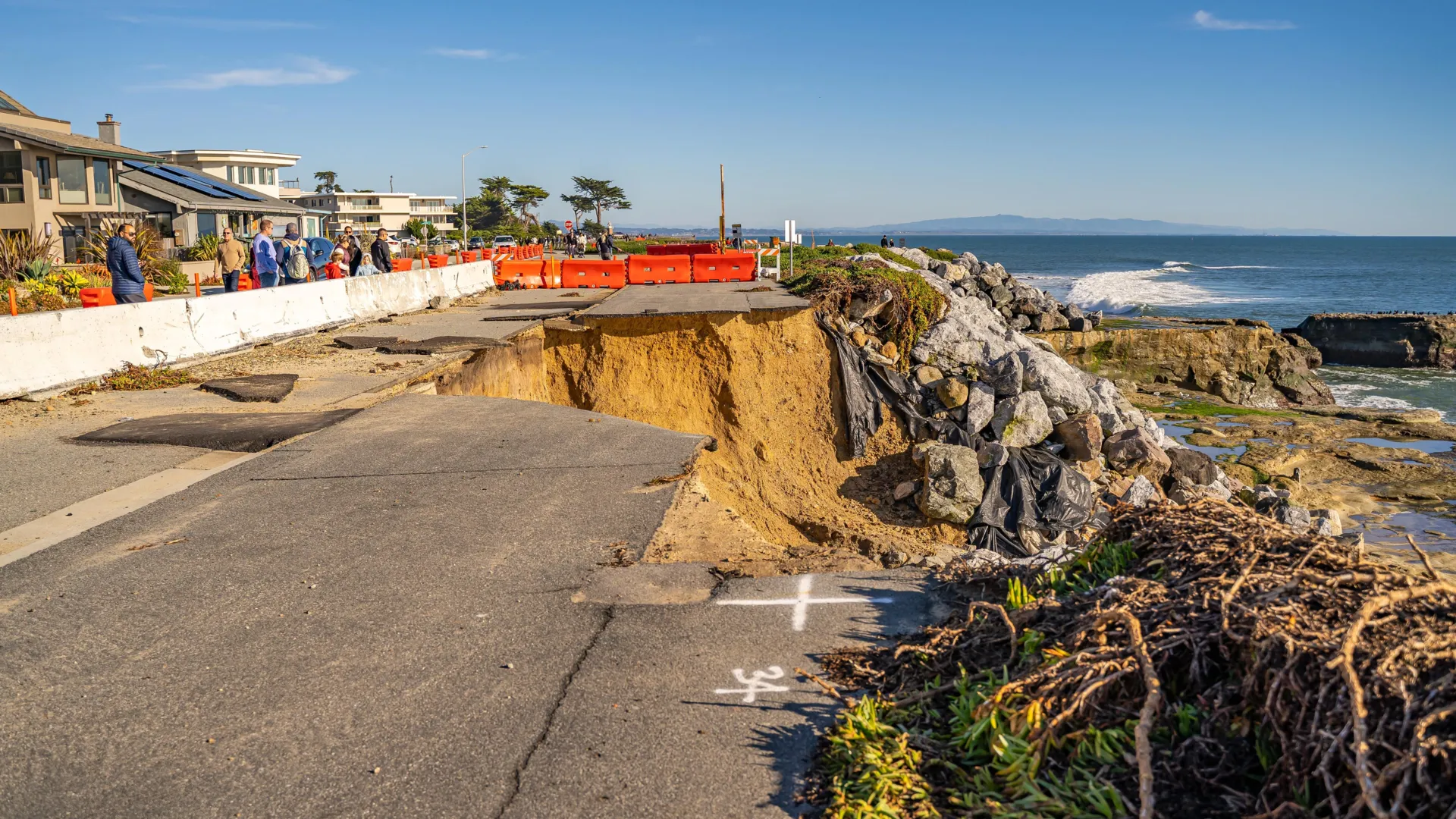
Cascadia and San Andreas: Evidence Suggests Sequential Earthquake Risk
Beneath the Pacific, 3,100 years of ocean sediments tell a story of linked rupture: the Cascadia subduction zone and northern San Andreas fault may occasionally fail in near-tandem, unleashing earthquakes minutes to hours apart. The 1700 event looms large in this record, and the implication is sobering. If synchronization recurs, West Coast cities could face simultaneous emergencies. This is the kind of integrated hazard that demands our attention.
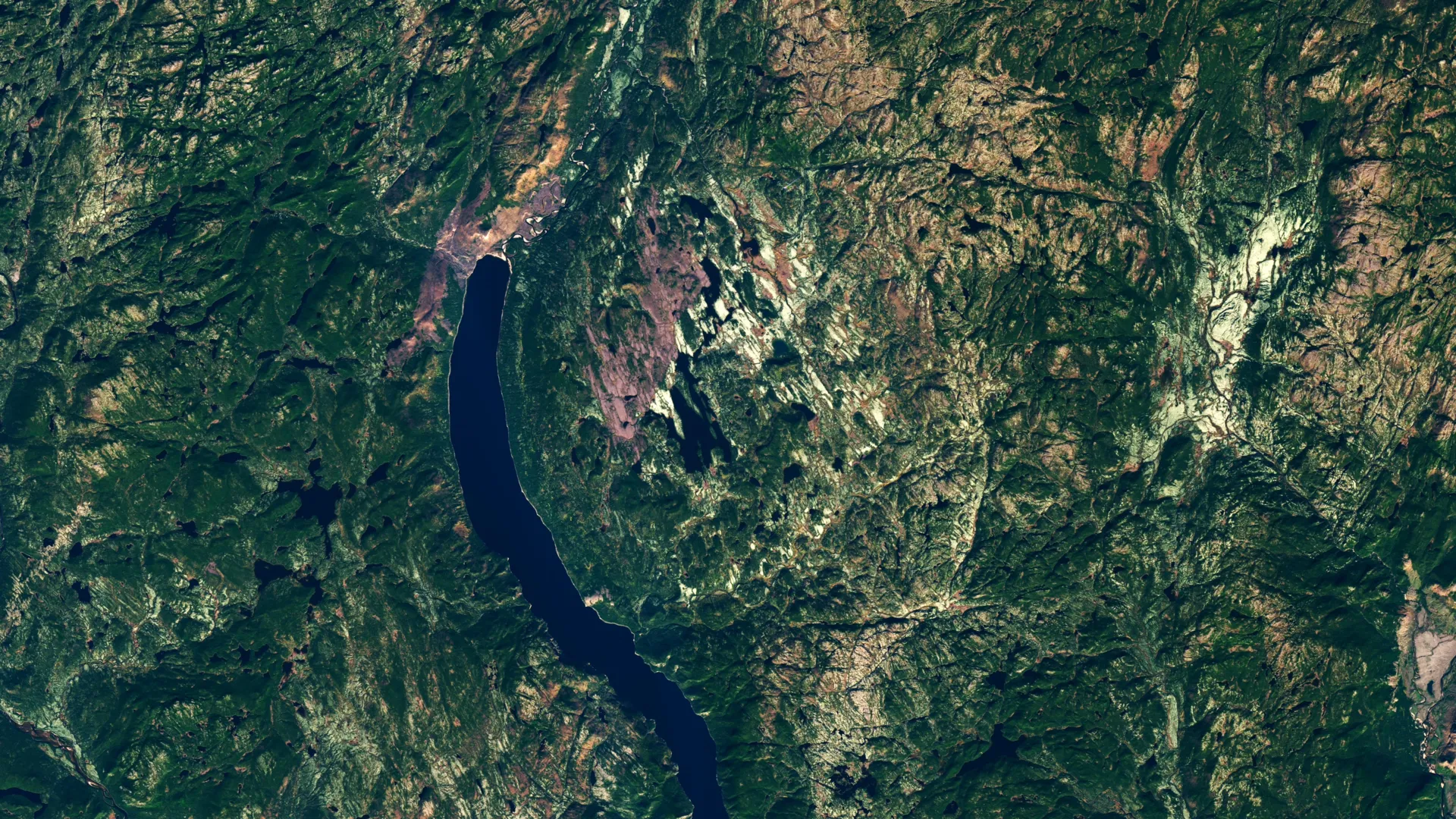
Ancient Impact Crater, 390 Million Years Old, Identified in Quebec
A chance glance at satellite maps for a camping trip has yielded a 390-million-year-old secret. An amateur astronomer's discovery in Quebec led scientists to confirm a 25-kilometer-wide impact crater, evidenced by shatter cones. It is a striking reminder that Earth's history is written in plain sight. For those tracking planetary forces, this find complements our coverage of Cascadia's Subduction Zone Reveals a Fragmented Tectonic Process, adding another layer to our understanding of the planet's dynamic, violent past.

Yellowstone's Eruption Sequence: Monitoring Volcanic Activity and Potential Impacts
Yellowstone's next super-eruption would not catch us off guard. Weeks of escalating unrest, swarming earthquakes, rapid ground uplift, shifting geyser patterns, and rising gas emissions, would precede any cataclysm. In a worst-case VEI 8 event, ash would blast tens of kilometers skyward, pyroclastic flows would incinerate the landscape, and much of North America's infrastructure could grind to a halt. It is a sobering forecast, but one grounded in measurable, peer-reviewed monitoring.

Paleodictyon's True Origins: New Research Reinterprets Ancient Honeycomb Structures
The honeycomb patterns of Paleodictyon have puzzled scientists for centuries, even capturing Leonardo da Vinci's imagination. New research now challenges the long-held assumption that these ancient structures were built by soft-bodied creatures. This reinterpretation asks us to look again at what we thought we knew, and it is a reminder that empirical evidence can overturn even the most elegant hypotheses. Understanding drives protection, and this finding sharpens our view of ancient ocean life.
Charting a Course: Combining Oceanography Studies for Career Options
Choosing between marine biology and geography is a decision about data as much as passion. A double major in oceanography and geography builds the spatial-analysis skills that hydrographic surveyors rely on daily, and that path offers a clearer return on investment than a marine biology pairing. The job market rewards calibrated, measurable skills. Geography grounds your degree in practical, integrated data ecosystems, while marine biology often requires advanced study for similar stability. For a stable career, geography is the pragmatic choice.
Exploring the Mariana Trench: A Hypothetical Descent and Timeline
The Mariana Trench descent is a study in patience as much as depth. A hypothetical plunge from the surface to the Challenger Deep would take roughly two and a half hours, assuming a steady drop. That timeline matters because it frames the real challenge: not just reaching the bottom, but doing so with instruments calibrated to survive the pressure. We find this a useful thought experiment for testing our integrated data ecosystems.
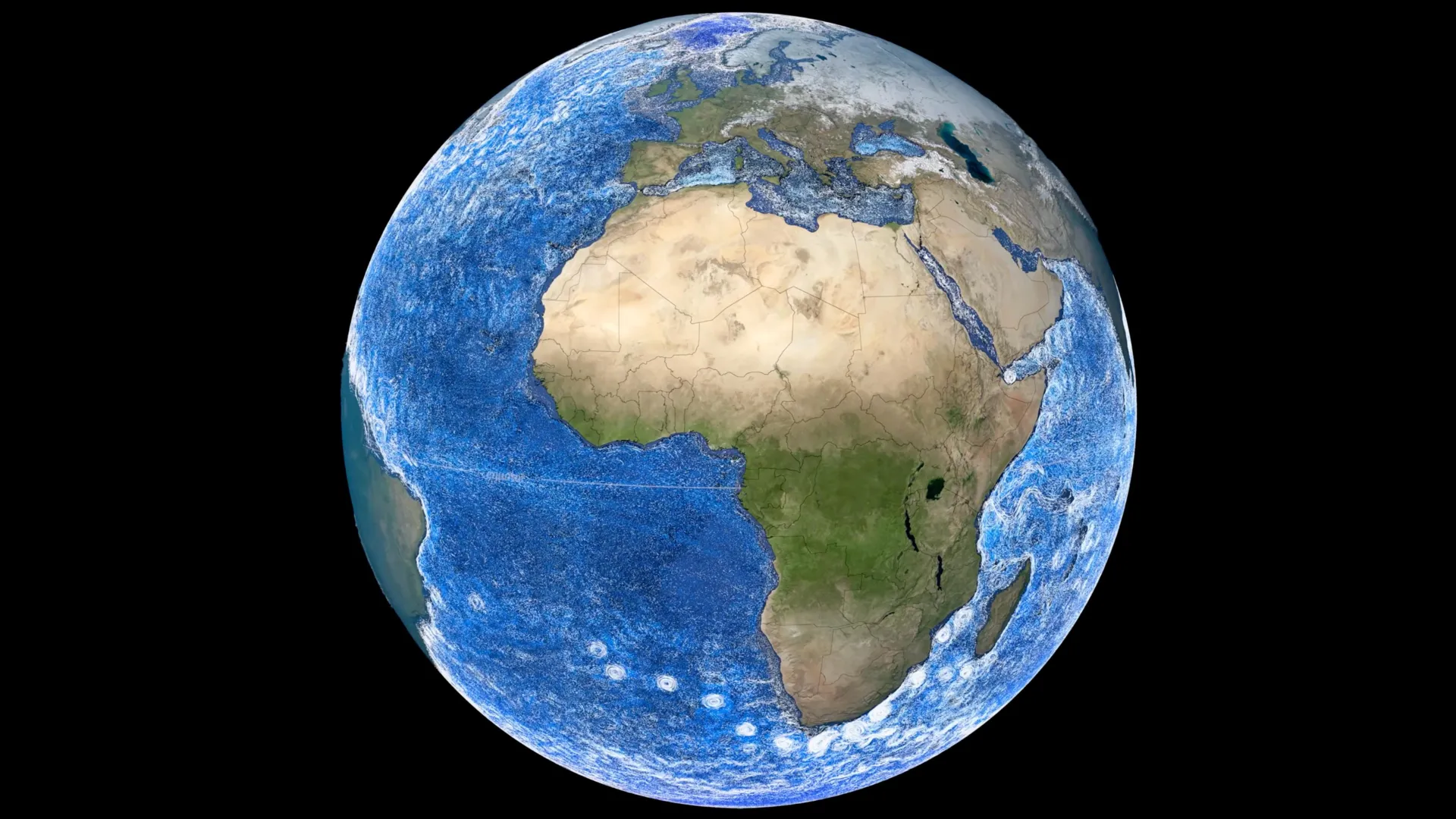
Ancient Sediments Reveal AMOC’s Resilience Amid Ocean Circulation Shift
Ancient seafloor sediments show that 3.4 million years ago, as the Indian Ocean's warm, salty inflow into the Atlantic nearly ceased, the AMOC held its own, parts of the overturning circulation even strengthened. That resilience challenges assumptions about how abruptly this system can shift. It is a reminder that ocean circulation responds in ways we are still mapping. For more on how we track such changes, see "Calibrated ocean intelligence, now within reach through integrated data discovery."
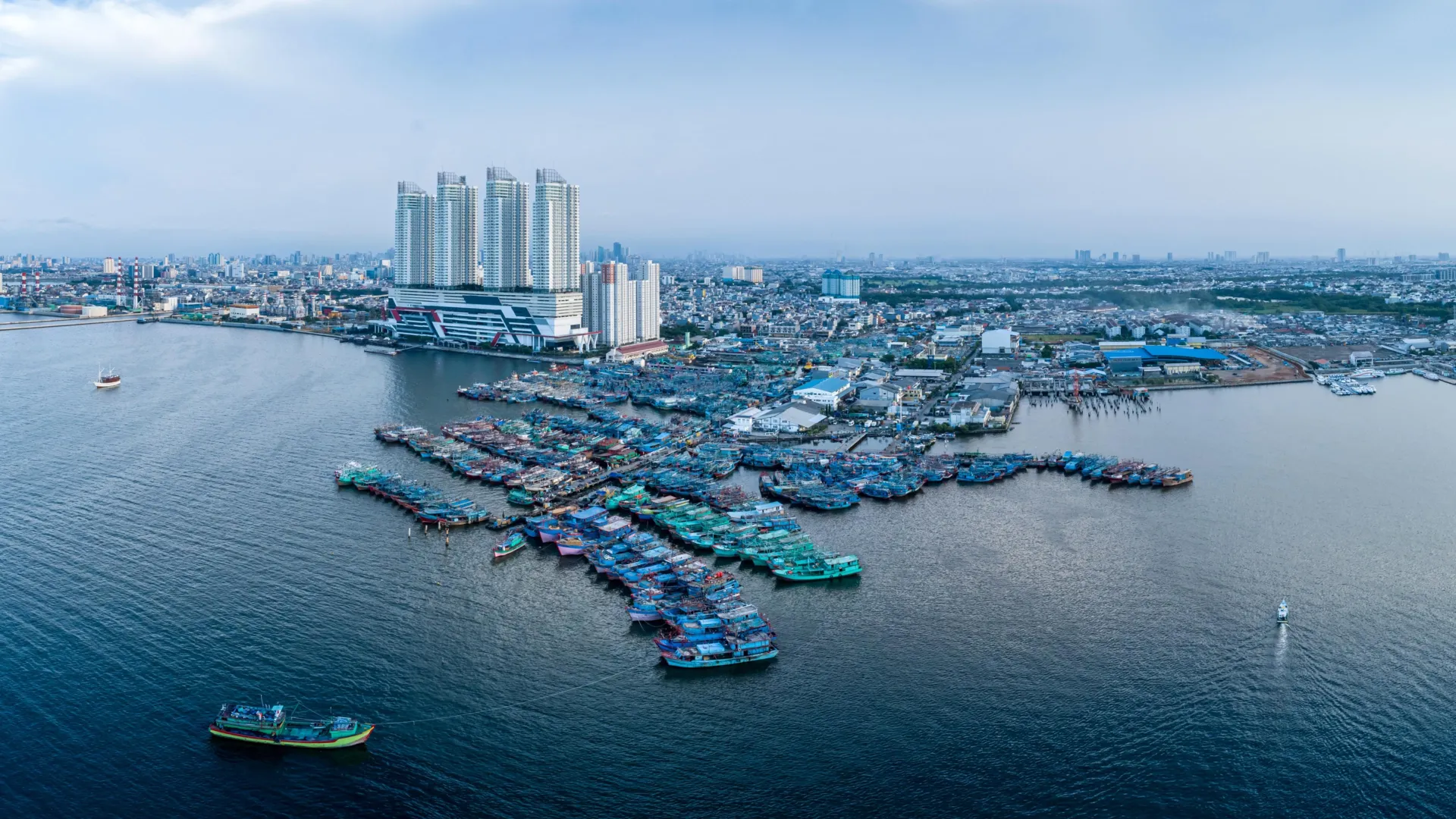
Sinking Ground Accelerates Coastal Flood Risk Worldwide
The ground beneath some of the world's most crowded coastlines is sinking at an alarming rate, amplifying sea-level rise to nearly three times the global coastal average. This hidden threat, driven by groundwater pumping and urban weight, demands urgent attention. We cannot afford to overlook the land itself when planning for climate resilience. For a deeper look at how geological forces reshape coastlines, explore our coverage of Cascadia's Subduction Zone Reveals a Fragmented Tectonic Process.
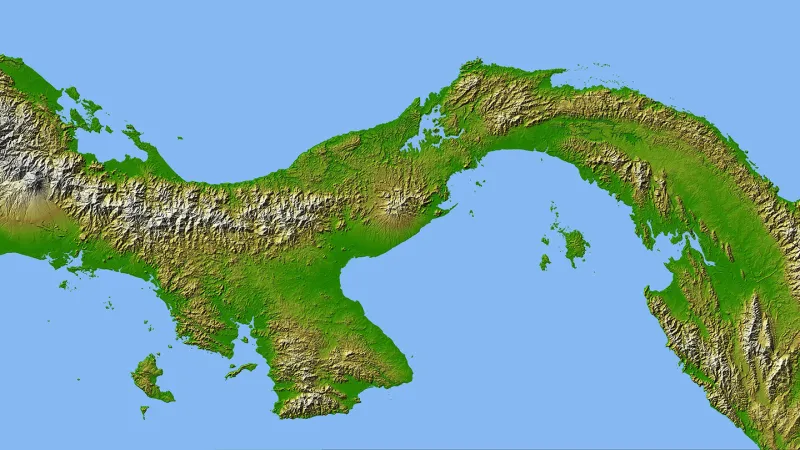
Mexico's Climate: A Pathway for Ancient Mammal Migration
The Isthmus of Panama is often framed as a barrier, but new findings suggest Mexico's climate may have turned it into a corridor for ancient mammals moving north to south. That distinction matters. It reframes a migration story we thought we understood, grounding it in measurable, empirical conditions rather than simple geography. For researchers tracking how species respond to shifting climates, this is a useful calibration of past patterns.

Exploring the Cook Islands Depths: A 2026 ROV Expedition.
In 2026, a new ROV expedition will descend into the waters surrounding the Cook Islands, aiming to transform our understanding of a region whose depths remain largely unmeasured. This is not a hunt for spectacle; it is a methodical effort to gather empirical data where none currently exists. The mission's value will be defined by its calibrated instruments and the peer-reviewed findings they produce.
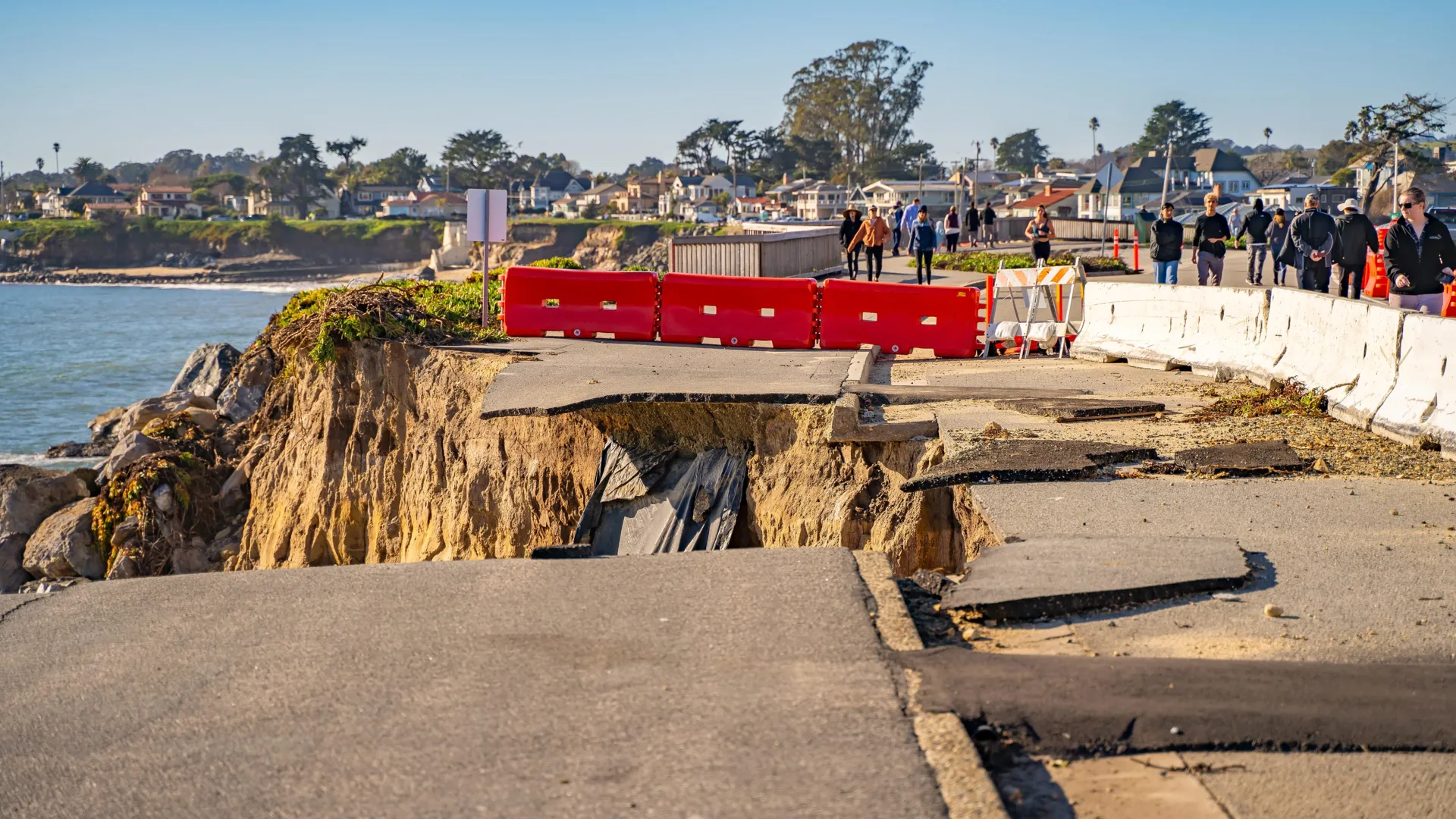
Cascadia and San Andreas: Linked Earthquake Risk Emerges from Ocean Data
Sediment layers preserved in the ocean floor now suggest that a major Cascadia rupture may have repeatedly triggered a second quake on the San Andreas Fault. The pattern, drawn from thousands of years of underwater landslide records, points to a troubling possibility: these two fault systems may not always act alone. The finding reframes how we understand seismic risk along the West Coast.
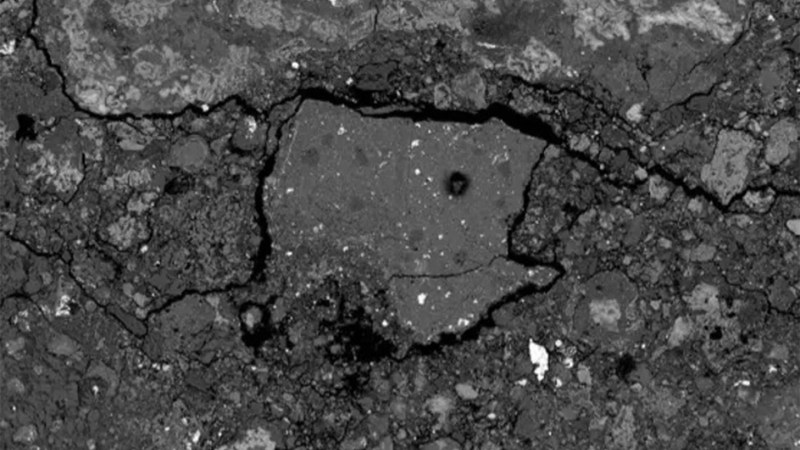
Meteorite Discovery: Amino Acids Hint at Life's Origins.
A single meteorite that crashed through a New Jersey roof in 2024 carries more than cosmic debris; it holds amino acids formed in brine, molecules that may explain how life's building blocks arrived on Earth. The discovery is compelling because it links planetary chemistry to our own origins. We're watching a rock rewrite a fundamental question about life's start. For readers tracking similar breakthroughs, our piece on fossilized dinosaur traits offers another glimpse into survival's deep history.
Ocean Heat and Oxygen Loss Linked to Ancient Marine Extinctions
Ancient marine extinctions carry a warning that reaches across millions of years. Ocean heat and oxygen loss, the same forces stressing today's seas, align with past die-offs in the fossil record. The study, published in PNAS, offers empirical grounding for what climate indicators already suggest. We treat this as more than a historical footnote, it is a calibrated measure of risk. For deeper context, our related piece on Cascadia's fragmented subduction zone shows how geological processes compound biological vulnerability.