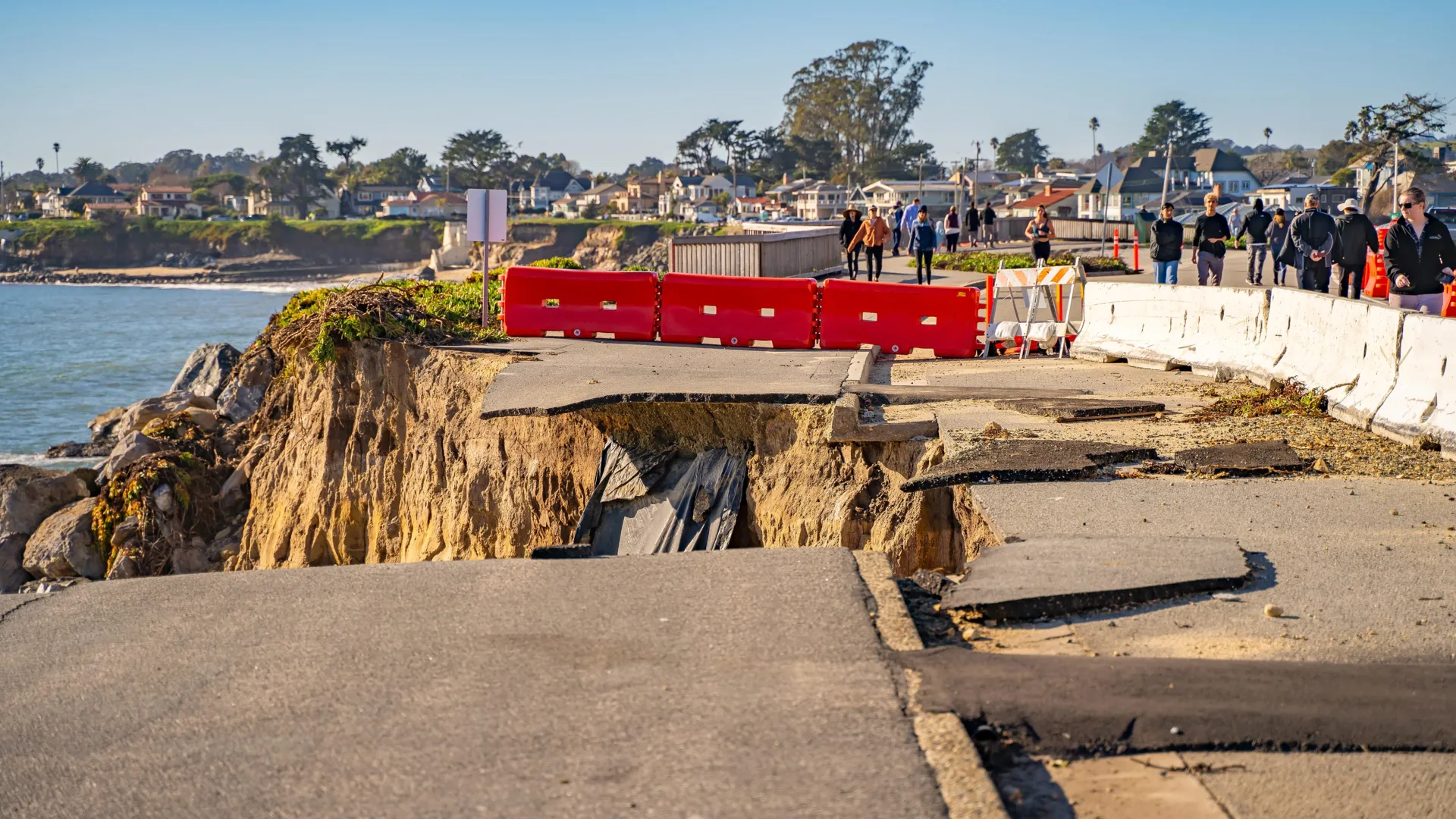
The ocean keeps its own timing, and the evidence now arriving from its depths suggests we have underestimated the scale of what it can do. A new look at sediment layers along the Pacific coast has revealed that the Cascadia subduction zone and the northern San Andreas fault may not always act as independent systems. Instead, the patterns point to a grimmer possibility: a major rupture on one could trigger a second quake on the other, producing a sequential, coast-wide event. This is not a claim pulled from a model alone. It is grounded in thousands of years of underwater landslide deposits, which show both fault systems have ruptured in close succession before. That kind of empirical record is exactly what we should be weighing with care.
For anyone who lives or works along the western edge of North America, this finding reframes the conversation. The common understanding has been that Cascadia's great quakes are a standalone threat, and the San Andreas, while dangerous, is a separate problem. The sediment record complicates that tidy separation. If these faults are capable of linked ruptures, then the risk assessment for the entire region shifts from a single event to a sequence. That changes emergency planning, infrastructure priorities, and public communication. You are no longer preparing for one shaking event and its aftershocks. You are preparing for a second major rupture that could arrive within days or weeks, compounding damage and stretching response systems that are already strained. That is a practical distinction, not a theoretical one.
We have covered Cascadia's fragmented tectonic process before, and the picture that emerges is of a subduction zone that does not behave according to simple textbook models. Cascadia’s Subduction Zone Reveals a Fragmented Tectonic Process showed us that the zone is actively tearing itself apart, which means the rupture scenarios we plan for may need to be more varied than previously assumed. The new evidence on linked ruptures with the San Andreas adds another layer of complexity. It suggests that the region's seismic history is not a collection of isolated events, but a more integrated system where strain is transferred across fault boundaries in ways we are only beginning to trace. Evidence Suggests Sequential Earthquake Risk reinforces this, and while the exact mechanics remain under investigation, the implication is clear: the Pacific coast should be treated as a single, interconnected seismic environment.
What we would tell a reader who asks about this is straightforward. Treat the possibility of a sequential rupture as a real scenario, not a fringe hypothesis. The sediment record is a form of ocean intelligence, a record of past behavior that we can calibrate against modern observations. It does not tell us when the next event will happen, but it does tell us that the range of possible outcomes is broader than many current building codes and response plans assume. The open question is whether we will integrate this evidence into our preparedness strategies or wait for the next record of simultaneous failure to be written. The data is out there. The question is how quickly we choose to act on it.