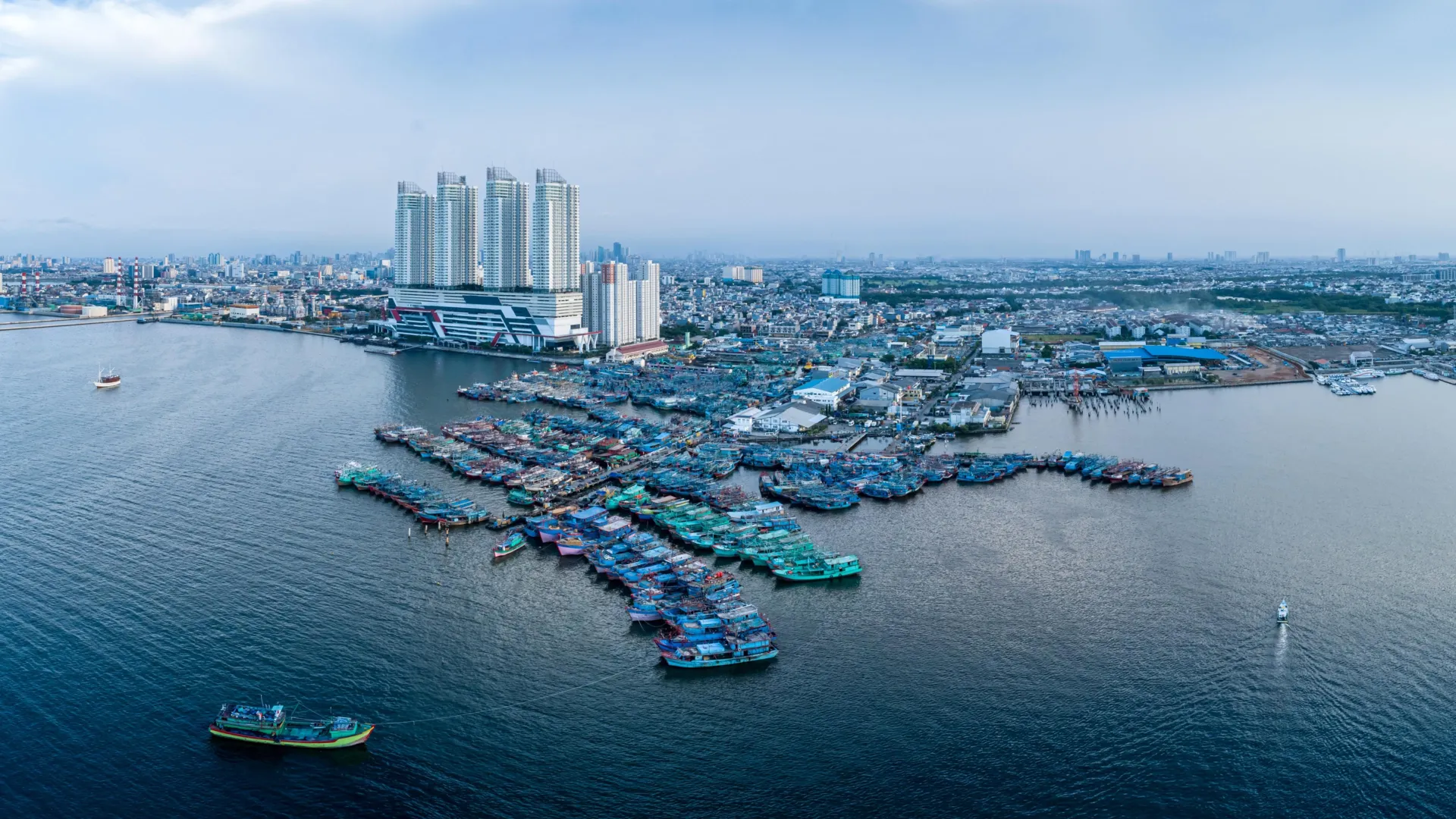
The numbers demand attention before they demand interpretation. New research finds that people in densely populated coastal regions are experiencing relative sea-level rise of about 6 millimeters per year, nearly three times the global coastal average. That gap is not a rounding error. It is the difference between planning for the ocean and planning for the ground beneath your feet. The sinking is driven by human actions we can name and, in principle, manage: groundwater pumping, oil and gas extraction, heavy urban development, sediment compaction, and natural geological processes. The ocean is rising, yes. But the land is also leaving.
This is the story of a measurement problem turned into a risk problem. When we talk about sea-level rise in the abstract, we tend to picture water creeping up a fixed coastline. The research corrects that picture. The land is not a passive stage. It is an active participant, and in many of the world's most crowded cities, it is moving downward at a pace that multiplies the hazard. Consider the related work on storm surge costs in coastal China, which shows how economic impacts are shaped by local conditions rather than a single global trend. The same logic applies here. The global average is a useful headline, but it hides the fact that some communities are facing an effective rate of rise three times higher than their neighbors. That is not a subtle distinction. It is the difference between a flood barrier that works for decades and one that is obsolete before construction finishes.
The connection to tectonic processes is worth pausing on. Our own reporting on the Cascadia subduction zone reveals a fragmented, complex system in the process of tearing itself apart. That research reminds us that the solid earth is never truly static. It shifts, compresses, and subsides along timescales that range from seconds to millennia. The new findings on coastal subsidence sit alongside that work as a reminder that geological and human forces are now intertwined. When we pump groundwater or extract oil, we are not just changing the surface. We are altering the load on the crust, and the crust responds. The result is a slow-motion collision between human infrastructure and planetary physics.
So what should a reader take from this? First, the threat is not uniform, and it cannot be captured by a single map of sea-level rise. Any adaptation plan that ignores local subsidence is building on sand, literally and figuratively. Second, the solutions are not all in the ocean. Reducing groundwater extraction, managing sediment compaction, and regulating urban development are all levers we can pull. They are not glamorous, but they are measurable. The research gives us a clear target: if we want to slow relative sea-level rise, we have to stop treating the ground as an infinite resource. The concrete point to watch is whether cities in the most affected regions begin to include subsidence data in their building codes and insurance models. That is the next test. The ocean will keep rising, but the land does not have to keep sinking.