European Union
17 stories filed under European Union on World Data Ocean. The newest of them: “Drone Attacks Ignite Russian Tankers Off Romania's Black Sea Coast”, “Maritime fees signal friction in trade amid climate and shipping integration”, and “Tracking the nations with the largest share of historical CO₂ emissions”. Two tankers of Russian origin were struck by drones off Romania's Black Sea coast, igniting fires that underscore the growing intersection of geopolitical conflict and maritime risk. A $200,000 fee per Spanish cargo ship arriving at U.S. A Global Hub for Ocean Intelligence 4 World Data Ocean is a centralized digital platform where researchers, scientists, and ocean enthusiasts converge to… The list below is every European Union story on World Data Ocean, newest first.
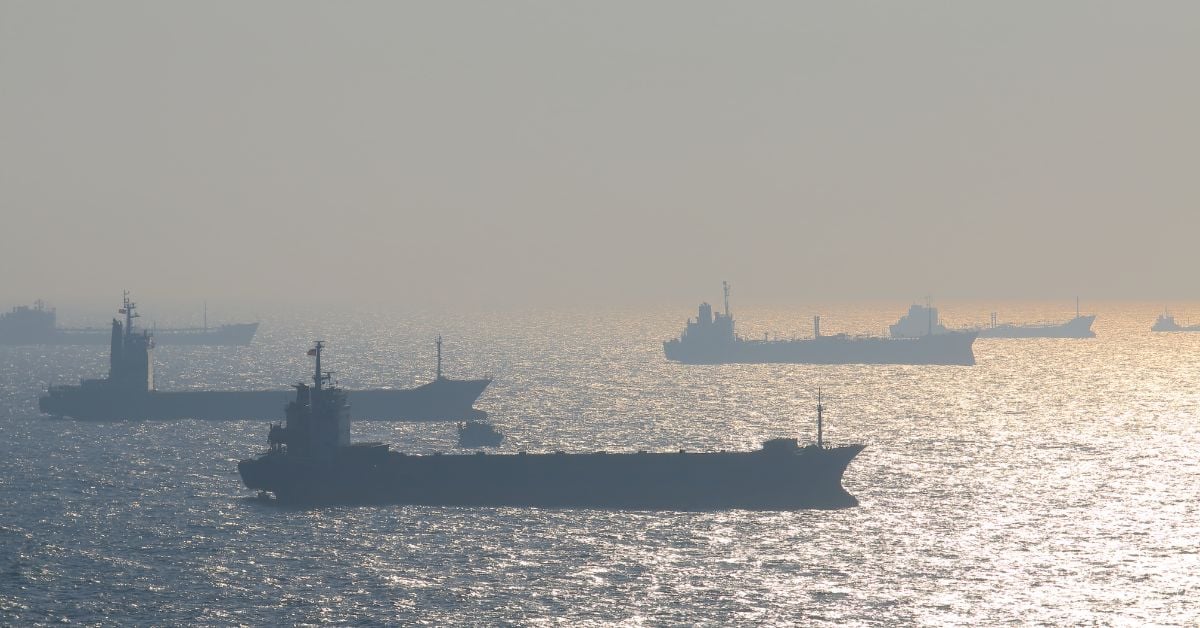
Drone Attacks Ignite Russian Tankers Off Romania's Black Sea Coast
Two tankers of Russian origin were struck by drones off Romania's Black Sea coast, igniting fires that underscore the growing intersection of geopolitical conflict and maritime risk. This incident demands empirical attention: such attacks disrupt trade routes and threaten marine ecosystems in a region already under environmental stress. For deeper context on how shifting trade dynamics and climate pressures are reshaping shipping, see our related coverage on maritime fees signaling friction in trade amid climate and shipping integration.
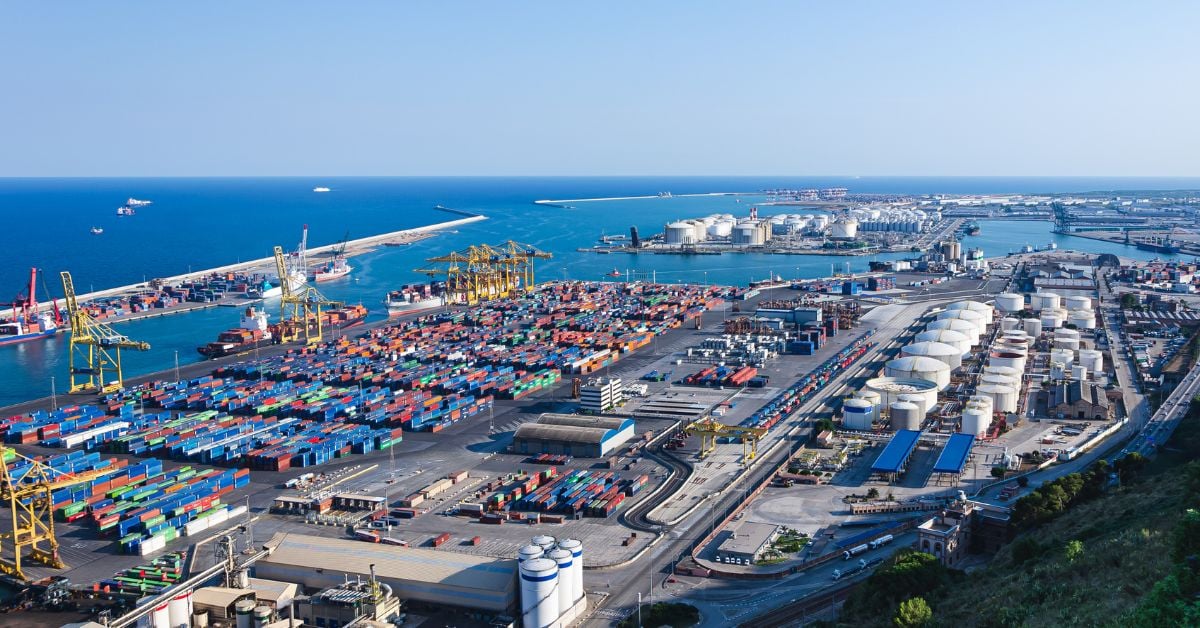
Maritime fees signal friction in trade amid climate and shipping integration
A $200,000 fee per Spanish cargo ship arriving at U.S. ports signals growing friction where maritime trade meets climate policy and shifting alliances. The U.S. Federal Maritime Commission's move injects measurable cost into a system already under pressure from sanctions enforcement and fleet integration. These rising barriers demand calibrated responses. For deeper context, our coverage of the Panama Registry's removal of three tankers tied to Iranian oil illustrates how maritime governance is tightening globally.
Tracking the nations with the largest share of historical CO₂ emissions
A small number of nations account for the vast majority of historical CO₂ emissions. The United States leads, followed by the broader European Union and China, yet cumulative responsibility looks very different from annual rankings. This distinction matters for climate equity. Understanding these validated, empirical differences in contribution is essential for calibrating global action. For a complementary perspective on how economic pressures reshape regions, see our related piece on uneven house price surges across EU member states.
House price surges reshape Europe unevenly across member states
House prices have surged across Europe, but the pattern is far from uniform. Some member states have seen dramatic increases while others remain relatively stable. This uneven reshaping of housing markets reveals deeper economic divergences within the EU, measurable, empirical differences that demand calibrated policy responses. Understanding these regional disparities is essential for informed decision-making. For broader context on how global systems interconnect, see our related article tracing cobalt from Congo's mines to China's refineries mapping the supply chain.
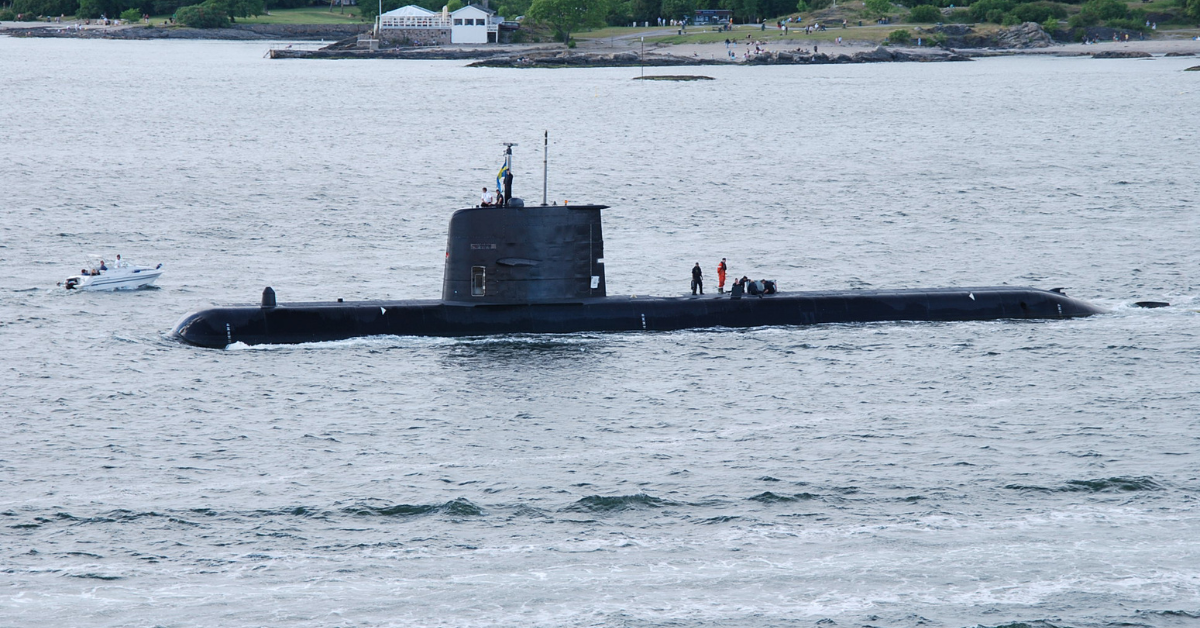
France Validates M51.3 Ballistic Missile in Submarine Test Launch
France's successful test launch of the M51.3 ballistic missile from a submarine off Brittany is a calibrated demonstration of strategic deterrence, weeks after President Macron pledged to counter Russia's hybrid attacks. This validated, peer-reviewed capability underscores the measurable role of naval power in global security. For context on maritime vulnerabilities, see our coverage of the Black Sea incident raising urgent questions on safety and climate risk.
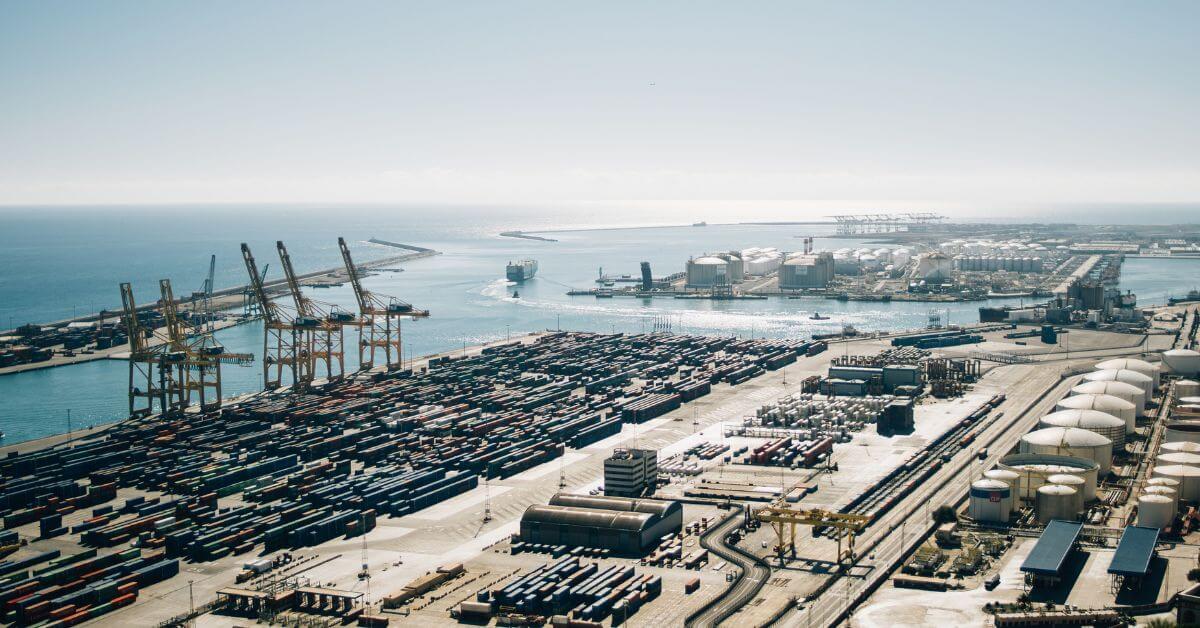
Fishermen Halt Mediterranean Ports Amid Rising Fuel Costs, Geopolitical Tensions
French fishermen blockaded the ports of Nice and Sète, along with an oil depot in Frontignan, on Thursday, September 17, grounding their trawlers in a protest over soaring fuel costs and mounting geopolitical strain. The action is a pointed reminder that maritime economies operate on a knife's edge, where diesel prices and international tensions converge. It is a measured, tactical standstill, not a spectacle.
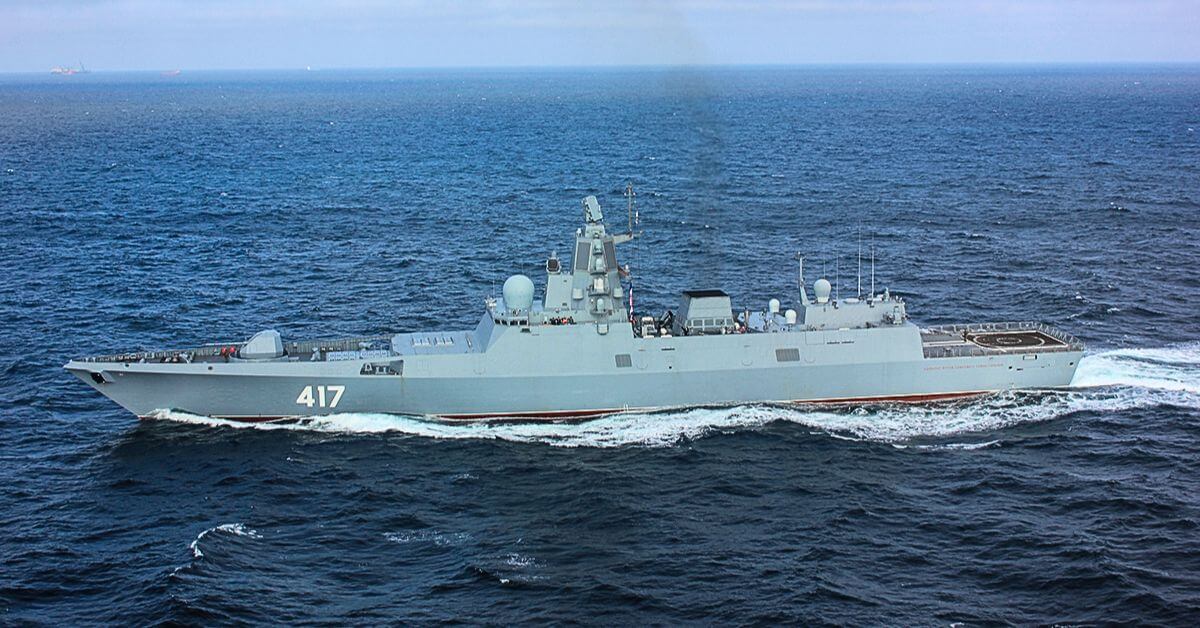
Baltic Sea Incident: Russian Warship’s Flares Prompt International Concern
The Baltic Sea's status as a corridor of strategic tension sharpened this week after a Russian warship fired flares, a move the European Union swiftly labeled "reckless and dangerous." The incident underscores how routine naval operations can escalate into international incidents with little warning. Such provocation demands measured, empirical scrutiny rather than alarm. For context on Moscow's broader maritime ambitions, our related coverage on Russia's icebreaker export revenue scheme offers useful grounding.

Integrated Ocean Intelligence: EU’s OceanEye Initiative Advances Real-Time Data.
The EU's OceanEye initiative is turning real-time ocean observation into a shared, measurable asset. By integrating data from orbit to sea floor, it gives researchers and policymakers a clearer, peer-reviewed picture of climate indicators as they shift. That kind of empirical clarity is what effective stewardship demands. For context on how marine data travels, our coverage of integrated subsea cables across the Indian Ocean pairs well with this story. Ocean intelligence works best when the whole system is connected.
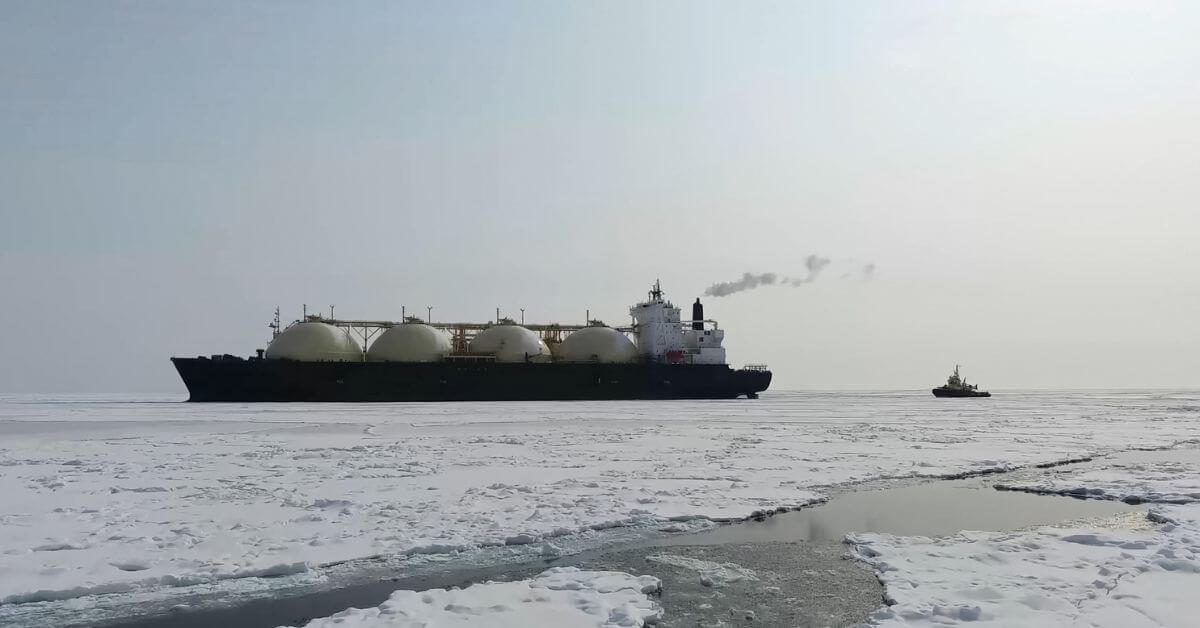
Arctic LNG 2 Capacity Expands with New Ice-Class Carrier Fleet.
The Arctic's harshest routes just became more navigable. A Russian-built, advanced ice-class LNG carrier has joined the fleet serving Arctic LNG 2, enabling year-round operations in waters that once dictated seasonal limits. This is practical ocean intelligence: the capacity to move gas reliably through extreme conditions strengthens the entire maritime energy chain. For readers tracking parallel shifts in global shipping, our coverage of Paradip Port's new mega port status offers another example of infrastructure evolving to meet demand.
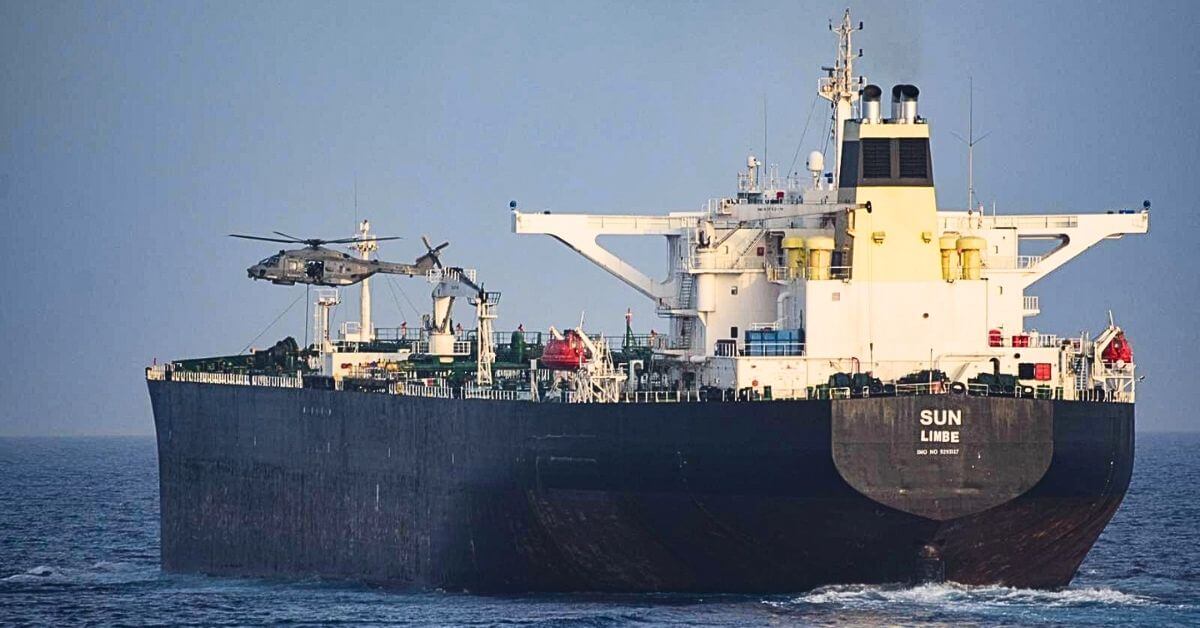
Maritime Security: Inspections Target Vessels Suspected of Shadow Fleet Activity
Maritime authorities from France, Sweden, Belgium, and Britain have boarded or seized vessels suspected of shadow fleet activity, tightening the net on opaque operations in European waters. These inspections signal a calibrated, intelligence-led response to a threat that hides in plain sight. Enforcement like this is how rules endure. For a closer look at how maritime incidents unfold under pressure, see our coverage of the cargo ship fire near Mykonos. Vigilance, measured and consistent, remains the anchor of ocean security.

Caspian Sea Vessel Attacked: Iran Seeks Compensation Following Drone Strike
Iran's ambassador to Russia, Kazem Jalali, confirmed that Tehran is seeking compensation after a drone strike targeted the Anna, an Iranian-flagged cargo vessel in the Caspian Sea. The attack raises pointed questions about maritime security in a region already marked by strategic tension. Russia, for its part, has linked such incidents to broader military posturing, as seen in recent strikes on Ukrainian port infrastructure. This incident underscores the fragile line between commercial passage and geopolitical conflict, one that demands calibrated, evidence-based responses, not speculation.

Maritime Surveillance Detects and Neutralizes Russian-Designed Drones Near Romanian Gas Hub
A civilian vessel on routine patrol near Romania's exclusive economic zone detected and neutralized Russian-designed drones approaching a critical gas hub. The incident underscores how maritime surveillance remains a frontline defense for energy infrastructure. Precision and readiness defined the response. The threat was identified, contained, and eliminated without escalation. For broader context on regional instability, our coverage of the Vostok Project's Arctic oil exports offers a parallel look at how geopolitical tensions reshape energy routes. Vigilance, not alarm, guides these operations.

Advancing Tuna Fisheries Monitoring Through Electronic Data Ecosystems
Electronic monitoring systems are no longer optional for tuna longline fisheries; they are becoming the backbone of credible, real-time ocean intelligence. This systematic review cuts through the noise, examining how hardware, algorithms, and system architectures are converging to solve persistent gaps in human observer coverage and data timeliness. The comparative analysis across the EU, North America, Pacific Island countries, and China is particularly telling.

Unprecedented Danube Drought Reveals Sunken WWII Nazi Vessels
The Danube's retreat has exposed a fleet of Nazi Germany's Black Sea vessels, deliberately sunk in 1944 as forces withdrew from Romania. This is not merely a ghost from the past; it is a tangible reminder of how conflict reshapes our environment in ways we are only beginning to measure. The wrecks are a physical dataset, waiting for calibrated analysis. For broader context on how such disruptions intersect with modern maritime security, our coverage of strikes targeting ports and vessels offers a relevant parallel.

Mediterranean Vessel Interception Raises Geopolitical Tensions and Maritime Concerns
The Mediterranean has become a flashpoint where a single vessel interception escalates into a geopolitical statement, and Russia's dismissal of such actions as "piracy" sharpens the divide. President Vladimir Putin's characterization frames maritime law enforcement as provocation, yet the practical risks to shipping lanes remain underexplored. This incident is not isolated; it echoes broader patterns of naval tension, much like the recent strikes on port infrastructure in confirmed military action.

EU Sanctions Debate Complicates Russian LNG Restrictions.
The European Union's push to tighten restrictions on Russian LNG has stalled, with Greece leading the resistance. It's a reminder that collective action often collides with national priorities. The bloc's resolve is clear, but unity is the real test here. For broader context on Russia's maritime strategy, our coverage of the Vostok project's Arctic oil launch offers a useful parallel. For now, the question is whether the EU can turn shared climate and security goals into decisive policy.

EU's Yamal LNG Imports Reached $6.8B Before Import Ban
Between January and June, Europe's Yamal LNG imports hit $6.8 billion, with 140 cargoes of 10.25 million tonnes departing Russia's western Arctic. That scale underscores the continent's pre-ban dependence. The numbers are measurable, and they arrived before any formal restriction took hold. This is not alarmism; it is a clear signal of how tightly energy flows can bind policy. For deeper context on how Russia is adapting its Arctic export revenue, see our piece on Russia's icebreaker fleet calibration.