environmental impact
environmental impact at World Data Ocean is a file of 30 stories. The newest of them: “Iceberg's Presence Linked to Significant Chick Decline in Emperor Penguin Colony”, “Navigating Community Views: Marine Energy's Path Forward in Chile”, and “Data-Driven Solutions for a Sustainable Ocean Future”. A 2025 emperor penguin colony saw a sharp decline in chicks, and the likely culprit is the grounded iceberg nearby. Chile's transition to marine energy hinges on more than turbines and currents; it hinges on trust. A Global Hub for Ocean Intelligence 4 World Data Ocean is a centralized digital platform where researchers, scientists, and ocean enthusiasts converge to… The list below is every environmental impact story on World Data Ocean, newest first.
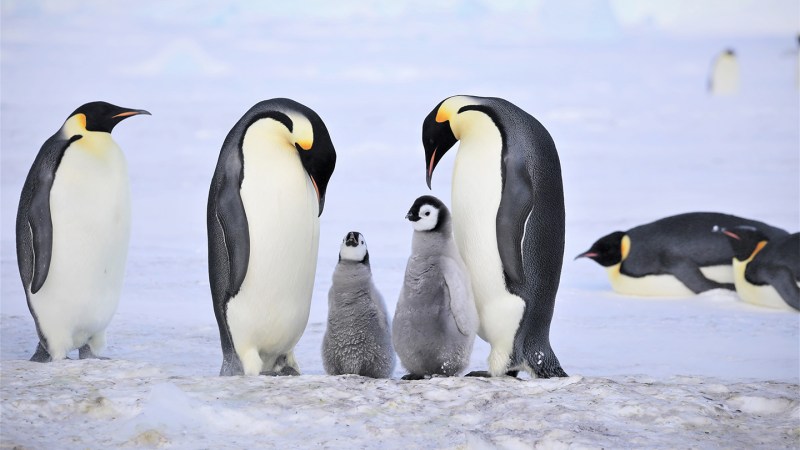
Iceberg's Presence Linked to Significant Chick Decline in Emperor Penguin Colony
A 2025 emperor penguin colony saw a sharp decline in chicks, and the likely culprit is the grounded iceberg nearby. The contours of that ice mass appear to have disrupted the colony's usual breeding conditions, a stark reminder of how local geography can tip the scales for a species already under pressure. It is a measurable, empirical signal of change. For broader context on Antarctic dynamics, our piece on Antarctic krill reproduction offers a complementary thread.

Navigating Community Views: Marine Energy's Path Forward in Chile
Chile's transition to marine energy hinges on more than turbines and currents; it hinges on trust. A new choice experiment with 1,200 respondents reveals two dominant public preference classes: younger, educated, higher-income citizens prioritize marine fauna impacts, while older, less wealthy groups focus on energy costs. This heterogeneity is a practical map for policy design. Yet, persistent distrust in energy institutions signals a clear mandate.
Data-Driven Solutions for a Sustainable Ocean Future
Every observation we log, from a chiton's unexpected presence in Puerto Rico to a mystery specimen washing ashore in California, sharpens our collective picture of the ocean. These are not isolated curiosities; they are data points that refine the models guiding our stewardship. We treat each report as a signal worth integrating into a larger, peer-reviewed framework. Understanding drives protection, but only when we connect the dots.

Vessel Struck in Strait of Hormuz; Crew Rescued, No Environmental Impact.
A fire burned aboard a vessel in the Strait of Hormuz, yet the crew was rescued by a tugboat after safely abandoning ship. UKMTO confirmed no environmental impact, a detail that matters in a waterway this critical. The strait's fragility is well-documented, and this incident underscores the stakes. For deeper context on regional pressures, our piece on "Phased Negotiations Aim to Ease Restrictions on Strait of Hormuz" offers a broader view. Measured outcomes like this one are the ones that count.
Climate Change Accelerates Invasive Species Threat to Ocean Ecosystems
Rising ocean temperatures are rewriting the rules of marine life, and not in ways we can afford to ignore. As climate change shifts habitable zones, invasive species are finding new footholds in ecosystems already stressed by warming waters. This is not a distant problem; it is an accelerating, measurable threat to biodiversity and coastal economies alike. The data is clear: we must integrate these patterns into our ocean intelligence now.

Assessing Seabed Impact: India Considers Naval Survey of MSC Elsa-3 Site
The decision to deploy naval survey vessels near the MSC Elsa-3 site signals a rigorous commitment to empirical assessment. Understanding the physical scars left on the seabed is not merely procedural; it is the first calibrated step toward meaningful environmental accountability. This is not about alarm, but about measurable data. We commend this move toward precise, peer-reviewed intelligence.