fuel cell system
World Data Ocean keeps fuel cell system in one place: 2 stories so far. The section currently leads with “Validated marine fuel cell delivers 25 kW from diesel reforming” and “Hydrogen Propulsion Advances Inland Shipping on China’s Rivers”. A validated 25 kW marine fuel cell now converts diesel through onboard reforming, a step that makes cleaner propulsion measurable for existing vessels. China's inland shipping is entering a cleaner chapter with the launch of Yun Tao No. A Global Hub for Ocean Intelligence 4 World Data Ocean is a centralized digital platform where researchers, scientists, and ocean enthusiasts converge to… The list below is every fuel cell system story on World Data Ocean, newest first.
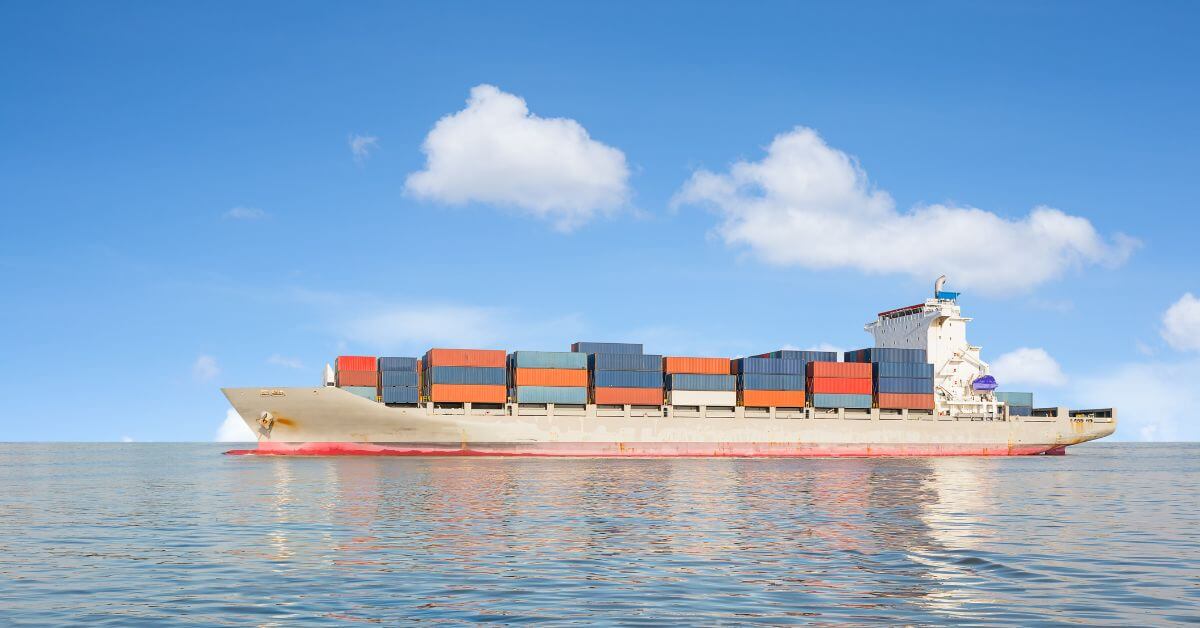
Validated marine fuel cell delivers 25 kW from diesel reforming
A validated 25 kW marine fuel cell now converts diesel through onboard reforming, a step that makes cleaner propulsion measurable for existing vessels. Developed by the Fraunhofer Institute for Microengineering and Microsystems in Mainz, this isn't a laboratory curiosity, it's a calibrated, real-time solution for emission reduction at sea. Ocean freight's decarbonization demands empirical tools, not promises. For another view on maritime innovation, see our coverage of "Predicting maritime ammonia leaks through a validated digital twin system." Integration is the path forward.

Hydrogen Propulsion Advances Inland Shipping on China’s Rivers
China's inland shipping is entering a cleaner chapter with the launch of Yun Tao No. 1, the nation's largest hydrogen-powered cargo vessel. At 2,000 tons with a 760 km range, this ship is built for the Yangtze and Pearl River corridors, where practical decarbonization matters most. Hydrogen propulsion at this scale signals measurable progress, not just promise. For readers tracking parallel advances, our coverage of ammonia bunkering milestones offers useful context on how alternative fuels are reshaping maritime logistics.