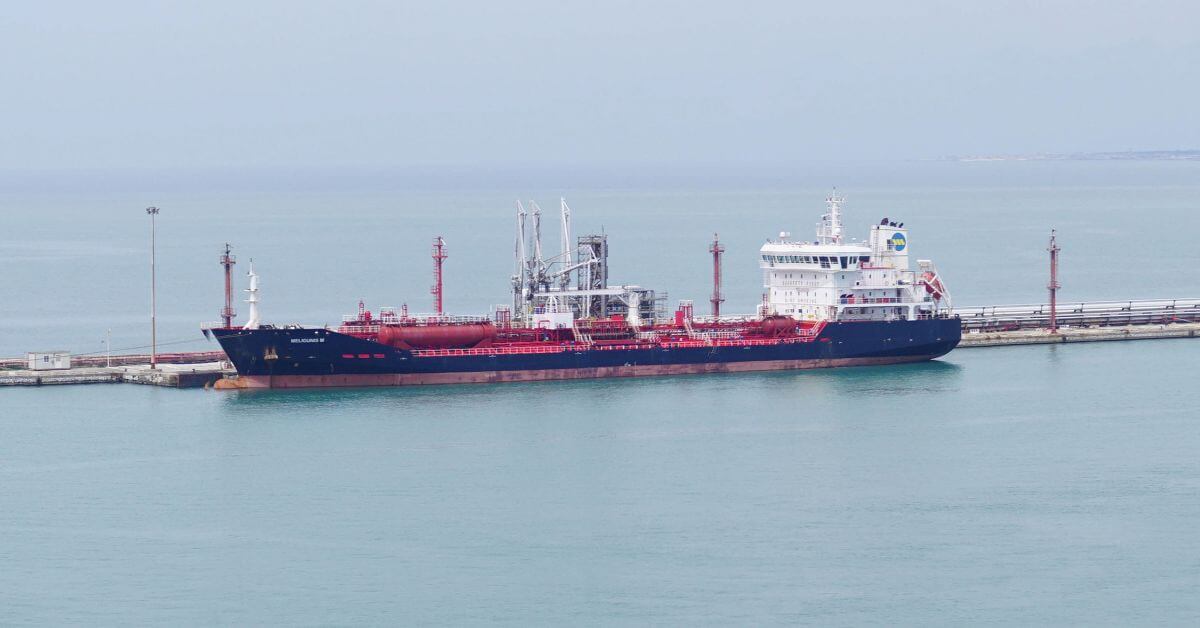
The seizure of 620,000 gallons of biodiesel bound for Cuba is a precise, measurable act of economic statecraft, and it deserves attention for what it reveals about enforcement, not politics. The Department of Homeland Security, working with Customs and Border Protection, stopped 90 shipments at Port Everglades and the Port of Houston, intercepting fuel worth nearly $3 million that was destined for ENETEC S.A., a state-owned company sanctioned in July. This is not a symbolic gesture; it is a calibrated disruption of a supply chain, and it signals that the United States is using trade data and intelligence to enforce export rules with increasing accuracy. For readers tracking geopolitical risk, this is a clear indicator that maritime fuel logistics are now a primary arena for sanctions enforcement, and that applies well beyond the Caribbean.
The operational detail matters here. Authorities identified the shipments weeks in advance by examining trade and intelligence data, then moved at the ports before the fuel left the country. That sequence validates a broader trend we have covered extensively: governments are getting better at tracing fuel flows and acting on them. Consider the parallel cases in our recent reporting. Seoul Disputes Ukrainian Data on Fuel Shipments to Russia shows how contested those data trails can be, while Japan Targets Shadow Fleet Oil Routes in First Sanctions in Over a Year demonstrates that allied nations are now actively interdicting vessels rather than merely listing them. The U.S. operation against ENETEC fits the same pattern: it is less about the volume of fuel and more about proving that export laws have teeth at the dock, not just on paper.
What should readers take from this practically? First, any company moving fuel through U.S. ports must verify end users with a level of rigor that matches this enforcement posture. The suspected violations here include the International Emergency Economic Powers Act and the Export Administration Regulations, both of which carry serious penalties. The fact that the exporters have not been identified publicly is a signal that investigations are ongoing, and it raises an open question: were these shipments the work of a few bad actors, or is there a coordinated network testing U.S. restrictions? The Coast Guard's separate interception of the *Grace* on September 5, a vessel that tried to evade authorities between Cuba and Mexico, and the earlier seizure of the *Jaira Provider* with over 200,000 gallons, suggest this is not an isolated lapse.
The larger point is that fuel is leverage, and the United States is using it deliberately. By allowing some smaller shipments to reach Cuba's private sector while blocking state-owned entities, Washington is attempting to weaken the Cuban government without fully isolating the population. That strategy is coherent, but it depends entirely on enforcement. The specific detail to watch is whether the U.S. names the exporters involved in these 90 shipments. If it does, the message to global fuel traders will be unambiguous: the data trail from port to port is now a liability, and the cost of a miscalculated destination is measured in seized cargo, not fines.