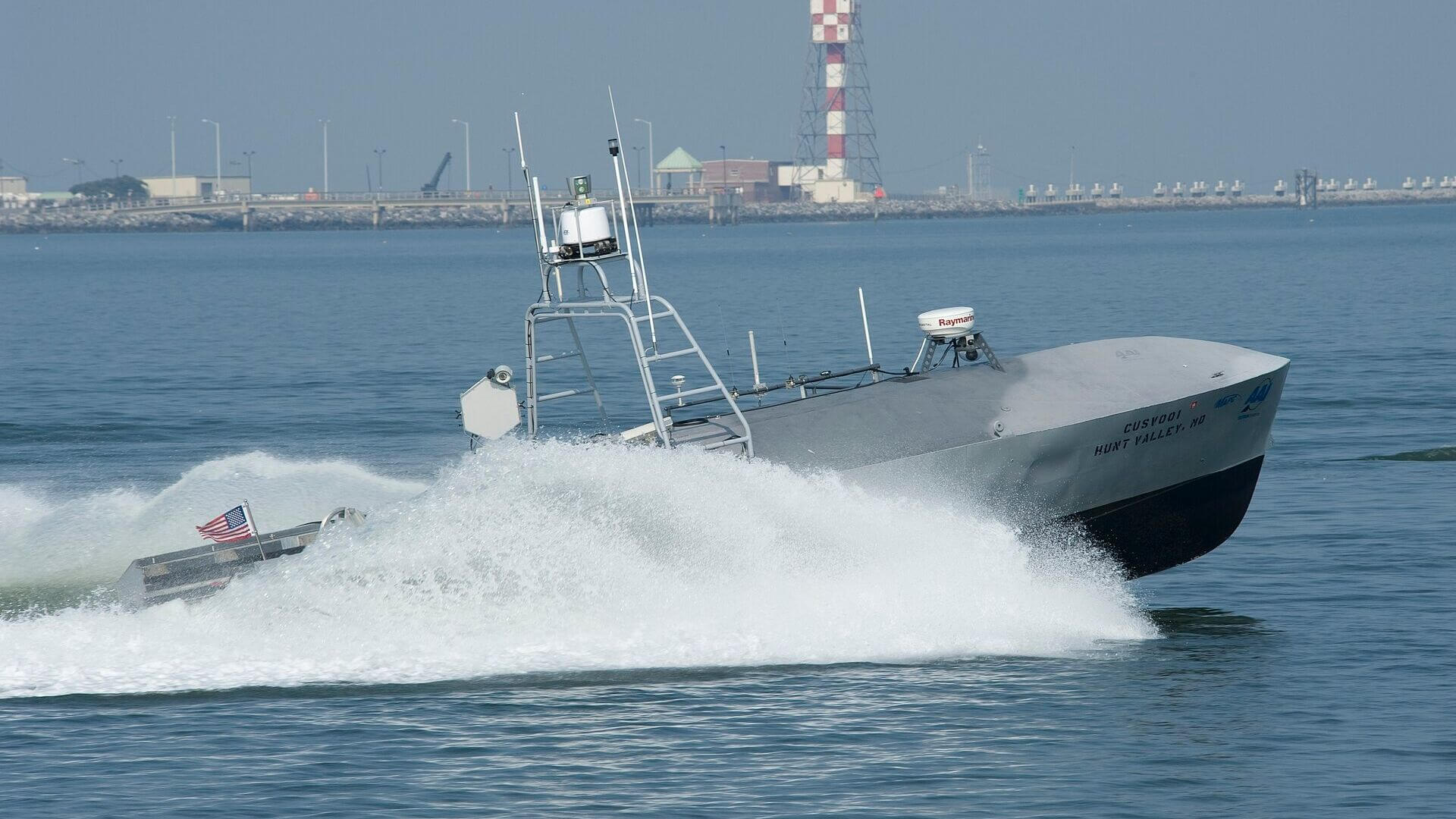
The transfer of two T38 Devil Ray unmanned surface vessels to the Philippine Marine Corps marks a practical shift in how coastal nations can monitor their waters, and it is one we should watch closely. This is not a symbolic handover; it is a calibrated move toward integrated, real-time ocean intelligence that lowers operational costs while expanding coverage. For our readers, whether researchers tracking maritime domain awareness or policymakers assessing regional stability, this deployment represents a measurable step toward a networked, sensor-rich approach to ocean monitoring that has been more theoretical than operational until now.
The vessels, built by MARTAC and stationed at Subic Bay, are designed for surveillance, patrolling, and supply delivery, allowing personnel to operate from a safe distance. The U.S. Embassy confirmed they will help the Philippines monitor larger areas at lower cost than crewed vessels. This is significant because it aligns with a broader trend we have covered extensively: the shift toward unmanned systems as persistent, integrated data nodes. Compare this with the recent Type 076 drone carrier launches and recovers stealth unmanned aircraft at sea, where the Chinese Navy demonstrated carrier-based drone operations. Both developments point to a future where unmanned platforms, not just satellites or ships, form the backbone of ocean intelligence. The difference is scale and intent: the Type 076 is a power projection asset, while the T38 Devil Rays are tailored for coastal monitoring and sovereignty protection. Meanwhile, the threat environment remains real, as seen in the Hijacked Iranian vessel poses new threat to commercial shipping lanes and the Redirected Iranian naval tactics target Gulf shipping lanes with limpet mine strikes. These incidents underscore why persistent, unmanned surveillance is not a luxury but a necessity for any nation with contested waters.
What matters most for our audience is the infrastructure behind the handover. MARTAC's new Centre of Excellence in Subic Bay will provide training, maintenance, and spare parts, and the company expects to build a large fleet of unmanned vessels in the Philippines over the next several years. This is not a one-off donation; it is the seed of a local maintenance and operational ecosystem. For researchers, this means a potential source of longitudinal, empirical data from a region of high geopolitical and climatic importance. For policymakers, it raises a concrete question: How will this network of unmanned systems integrate with existing national and allied sensor grids to produce validated, peer-reviewed ocean intelligence? The U.S. linked the transfer to tensions around Second Thomas, Sabina, and Scarborough shoals, but the practical consequence is that the Philippine Marine Corps now has a tool to gather real-time data on vessel traffic, environmental conditions, and potential incursions, data that can inform both national security and climate monitoring.
The specific detail to watch is how quickly the Philippines scales this fleet and whether the data collected becomes part of an integrated data ecosystem shared with allied partners. If the Centre of Excellence delivers on its promise, Subic Bay could become a hub for unmanned ocean monitoring in Southeast Asia. That is a measurable outcome we can track, and it will tell us whether this transfer is a durable investment in ocean intelligence or simply a tactical stopgap.