U.S. Strikes 2 Iranian Rocket Launchers Over Strait Of Hormuz Mine Threat, Iran Vows To Retaliate
Our take
The recent U.S. strikes targeting Iranian rocket launchers in the Strait of Hormuz, coupled with Iran’s vow of retaliation, represent a concerning escalation in an already volatile geopolitical landscape. This incident, framed by IRGC spokesman General Hossein Mohebi as a "fatal mistake" during an ongoing economic war, underscores the persistent risks to maritime security in a region vital for global trade. The Strait of Hormuz, a narrow waterway connecting the Persian Gulf to the Gulf of Oman and the Arabian Sea, handles a significant portion of the world’s oil shipments; disruptions here have profound economic implications. This situation echoes previous tensions in the region, including incidents of maritime harassment and seizure of vessels, and highlights the complex interplay of regional power dynamics and international trade routes. The broader context is further illuminated by recent developments, such as the Suez Canal Reports Recovery In Container Ship Crossings & Eyes Greater Cooperation With Panama Canal Suez Canal Reports Recovery In Container Ship Crossings & Eyes Greater Cooperation With Panama Canal, demonstrating the fragility of global supply chains dependent on secure maritime passages. Furthermore, Iran’s Supreme Leader Mojtaba Khamenei Urges Muslim Nations To Recognise ‘Real Enemy’ As Hormuz Traffic Falls To New Lows Iran’s Supreme Leader Mojtaba Khamenei Urges Muslim Nations To Recognise ‘Real Enemy’ As Hormuz Traffic Falls To New Lows signals a deepening of ideological divides and potential for further regional instability.
The immediate trigger for the U.S. action appears to be a perceived threat of Iranian mining operations, designed to impede navigation through the Strait. While details remain scarce, the U.S. response demonstrates a willingness to proactively address perceived threats to freedom of navigation and protect its interests, and those of its allies, in the region. It's crucial to view this event within the context of ongoing sanctions and diplomatic tensions between the U.S. and Iran, which have significantly impacted the Iranian economy. The retaliatory rhetoric from Tehran suggests a commitment to maintaining a posture of defiance and underscores the potential for a further cycle of escalation. The existing piracy concerns, as exemplified by the recent events surrounding the MV LUTUF 14 Pirates Killed By Turkish Navy & Somalia’s Armed Forces In 10-Day Operation To Free Hijacked Vessel MV LUTUF, although geographically distinct, highlight the broader challenges of maritime security in unstable regions.
The strategic importance of the Strait of Hormuz necessitates a nuanced and data-driven approach to understanding and mitigating risks. Real-time monitoring of vessel traffic, climate indicators impacting sea levels and weather patterns, and validated intelligence regarding potential threats are essential for ensuring maritime safety and stability. Integrated data ecosystems, capable of processing vast amounts of information from diverse sources – including satellite imagery, underwater acoustic sensors, and maritime traffic data – are increasingly critical. Empirical evidence suggests that proactive measures, such as enhanced maritime domain awareness and calibrated responses to potential threats, can help de-escalate tensions and prevent disruptions to global trade. Peer-reviewed research on the effectiveness of different maritime security strategies is vital for informing policy decisions and ensuring resource allocation is optimized.
Looking ahead, the question becomes whether this incident will trigger a sustained period of heightened tensions or if de-escalation measures can be implemented. The potential for miscalculation and unintended consequences remains high, particularly given the complexity of the regional dynamics and the involvement of multiple actors. Longitudinal data on maritime incidents and geopolitical trends will be crucial for assessing the evolving risk landscape. The challenge lies in fostering collaborative efforts among regional and international stakeholders to ensure the safe and secure passage of vessels through the Strait of Hormuz, while simultaneously addressing the underlying political and economic factors contributing to instability. How will Iran calibrate its response, and what diplomatic avenues will be pursued to prevent further escalation in this strategically vital waterway?
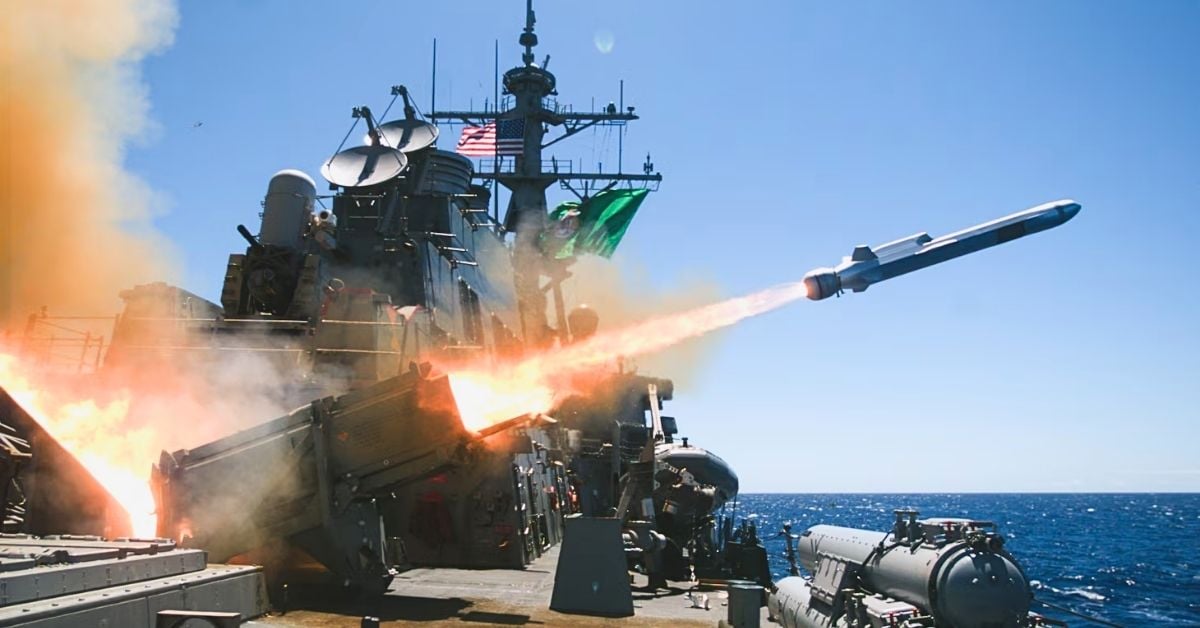
The U.S. military hit two Iranian rocket launchers on Larak Island after seeing Islamic Revolutionary Guard Corps (IRGC) forces prepare to launch rockets carrying sea mines into the Strait of Hormuz, the U.S. Central Command said.
The Aug. 30 attack was the first known direct U.S. strike on Iran since July 29. Iran’s Revolutionary Guard said several of its members and civilians were killed or wounded and vowed to retaliate.
The U.S. military said it had recently cleared sea mines from international shipping routes and would not allow Iran to place more mines in the waterway.
Central Command rejected Iran’s claim that the strikes were an “act of aggression.” It said the U.S. had taken limited and precise action against Iranian forces that posed an immediate threat in the strait.
The command said the operation was aimed at protecting sailors, commercial ships and global trade. President Donald Trump had earlier warned that any new mines placed in the Strait of Hormuz would be immediately destroyed.
Iranian media reported explosions near Larak Island.
Tasnim news agency said the U.S. attack was carried out by a drone. Mehr news agency quoted the IRGC as saying Iranian air defences had shot down a U.S. MQ-9 drone over the strait, causing it to crash into Gulf waters.
Iran launches retaliatory attacks
The IRGC said the U.S. strike killed and wounded several Iranian fighters and civilians.
IRGC spokesman General Hossein Mohebi called the attack a “fatal mistake” by the Trump administration during what he described as an economic war and said Iran would respond militarily and economically.
Iranian state television later reported that Iran launched ballistic missiles at the U.S.-operated King Hussein and Al-Azraq airbases in Jordan.
Iran said the missiles targeted technical infrastructure, maintenance facilities and positions used by fighter jets and caused heavy damage.
A U.S. source told Reuters that missiles fired towards U.S. forces in Jordan had been intercepted and that there had been no significant impact at the time.
Iran’s army also said it launched a drone attack against U.S. forces at the Al Minhad airbase in the United Arab Emirates early Monday. Iran said the attack was in response to the strike on Larak Island.
Iranian TV says supertanker hit two mines
Hours after the U.S. attack, Iranian media reported that a supertanker caught fire after hitting two naval mines while passing through the southern side of the Strait of Hormuz.
The IRGC warned that other ships that did not follow its rules would face the same fate. It said ships had to follow its rules while passing through the strait.
Preliminary Kpler data cited by Reuters showed that seven commodity vessels passed through the strait on Aug. 28. That was down from 17 vessels the day before and below the 10-day average of about 15 vessels.
Iran has tried to block the Strait of Hormuz during the conflict. The war has also led to a blockade of the strait, according to the information provided.
War enters its seventh month
The United States and Israel attacked Iran on Feb. 28. Iran responded with strikes against Israel and Gulf countries that host U.S. military bases.
A ceasefire was agreed in April. In June, a memorandum of understanding aimed at reaching a final peace deal was signed. No final agreement has been reached.
Pakistan and Qatar have been among the countries trying to help end the war.
The White House has said there are currently no negotiations between Washington and Tehran. Trump said last week that he was “not in a hurry” to bring Iran back to the negotiating table.
Recent changes in Iran’s senior security leadership have also shown Tehran’s continued defiance, according to the information provided.
Trump has said the U.S.-Israeli campaign has badly damaged Iran’s navy and air force. Iranian officials have estimated the country’s direct and indirect losses at $270 billion.
References: The Guardian, AP News
Read on the original site
Open the publisher's page for the full experience