Trump administration
Trump administration at World Data Ocean is a file of 9 stories. The newest of them: “US seizes 620,000 gallons of fuel in sanctions enforcement across two states”, “Caribbean drug interdiction strike leaves four dead”, and “Enforcement action halts fuel shipment bound for Cuba in Gulf transit”. The U.S. A U.S. A Global Hub for Ocean Intelligence 4 World Data Ocean is a centralized digital platform where researchers, scientists, and ocean enthusiasts converge to… The list below is every Trump administration story on World Data Ocean, newest first.
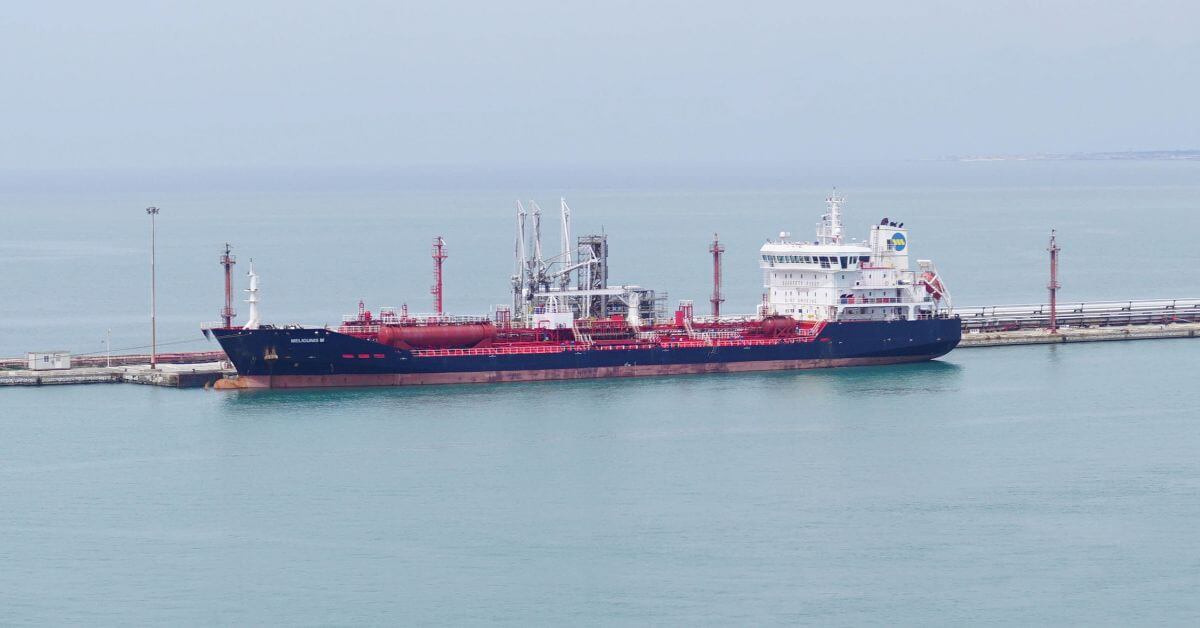
US seizes 620,000 gallons of fuel in sanctions enforcement across two states
The U.S. government has seized over 620,000 gallons of fuel at ports in Texas and Florida in a significant sanctions enforcement action. These shipments were intercepted before they could leave the country. Measured interdiction like this is a calibrated tool for upholding international law. This operation aligns with broader efforts to constrain illicit maritime networks, a theme also explored in our related coverage of Japan's recent sanctions targeting Russia's shadow fleet.
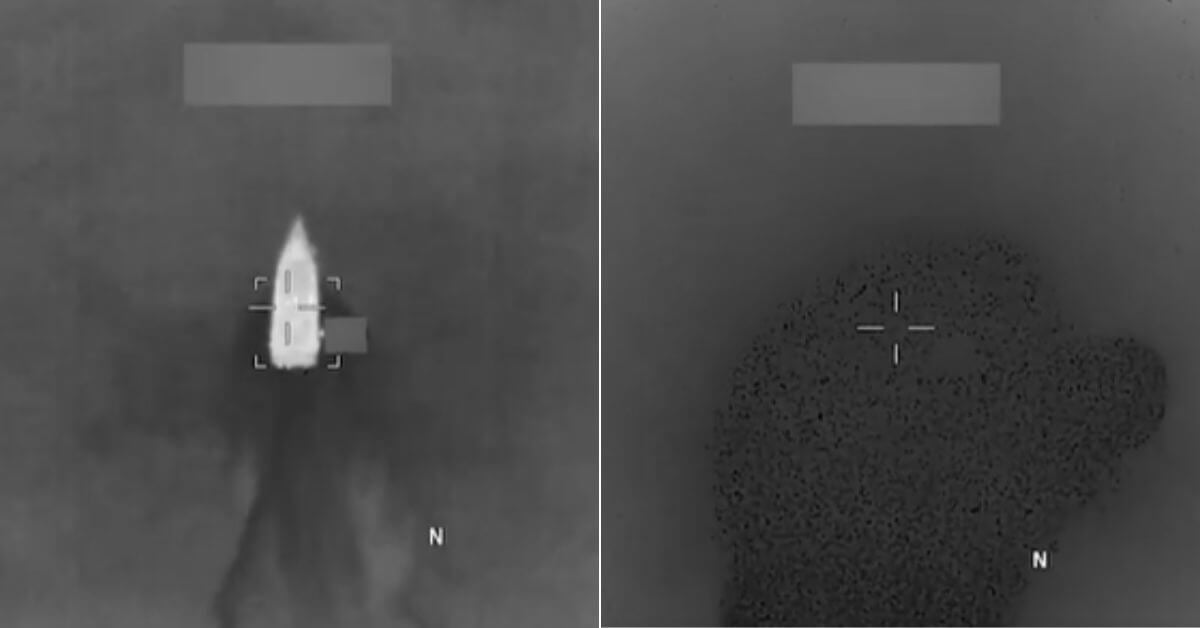
Caribbean drug interdiction strike leaves four dead
A U.S. military strike on a suspected drug-running boat in the Caribbean Sea on October 4 left four people dead. This is a violent reminder of the human cost embedded in maritime security operations, a cost that demands calmer, measurable approaches to enforcement. For more context on how authorities manage such risks, see our coverage of the enforcement action that halted a fuel shipment bound for Cuba. Understanding each incident helps build the empirical framework for smarter ocean governance.
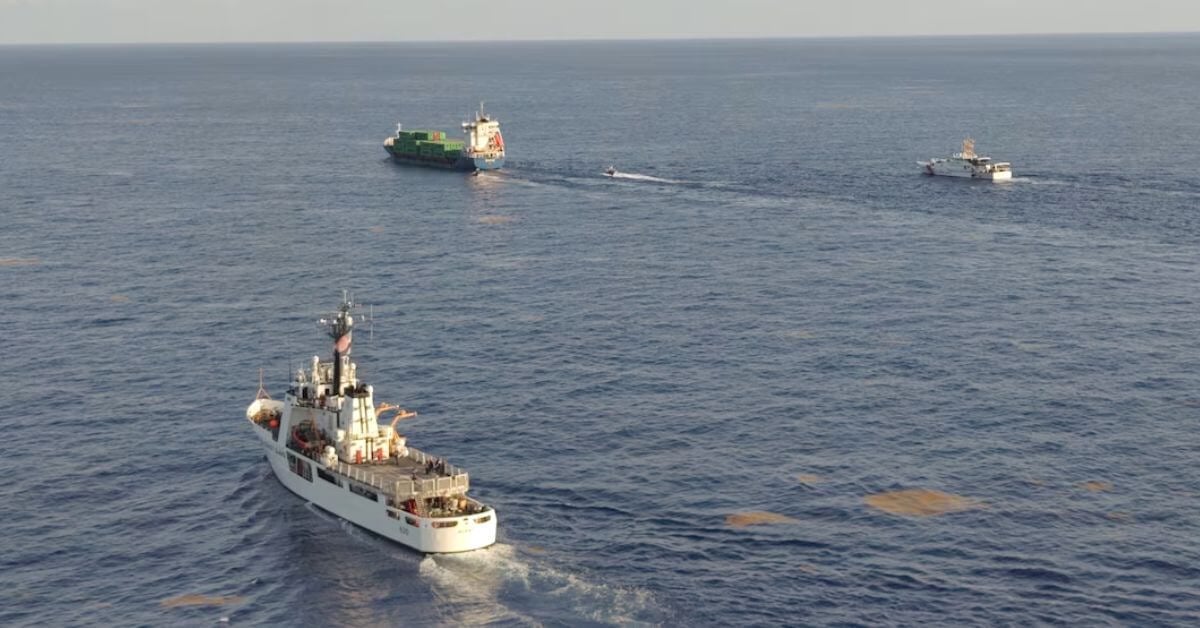
Enforcement action halts fuel shipment bound for Cuba in Gulf transit
The M/V Grace was intercepted mid-Gulf, its fuel shipment halted en route to Cuba by a targeted enforcement action. Coast Guard personnel boarded the vessel between Cuba and Mexico before diverting it to Mexico. This is border enforcement with direct geopolitical stakes, no ambiguity, no delay. For those tracking how legal frameworks meet maritime realities, our piece *Closing the Gap in Transboundary Marine Protection Through Legal Innovation* examines precisely how governance adapts when jurisdiction shifts at sea.
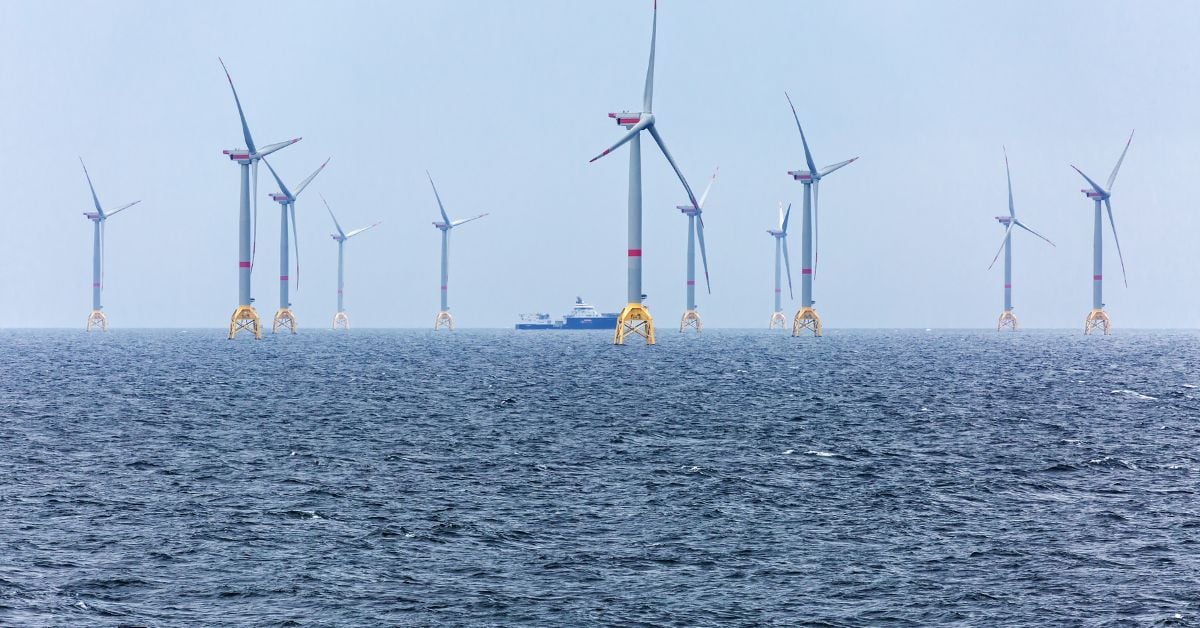
Offshore Wind Lease Reversal: Administration Offers $4 Billion Reimbursement
The Administration's offer of $4 billion in reimbursements for cancelled offshore wind leases is a striking reversal, one that prioritizes fossil fuel development over the measured progress of ocean energy. We see this as a legal and economic flashpoint, with California and New York now braced for litigation. The sum acknowledges the sunk costs, yet it does not address the broader climate indicators at stake.
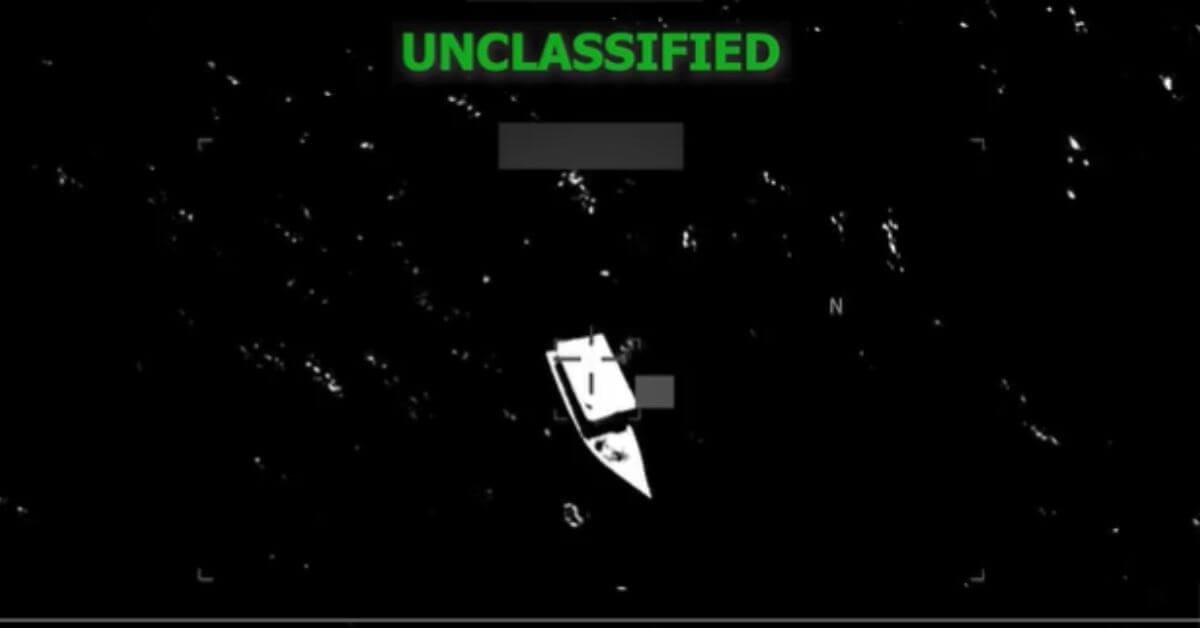
Military Action Targets Caribbean Drug Trafficking, Data Validates Campaign Impact
The 69th acknowledged strike in a yearlong military campaign against Caribbean drug trafficking vessels now has validated, measurable data behind it. This is not abstract policy, it is empirical evidence that targeted action disrupts illegal networks at sea. When military operations yield quantifiable results, ocean security strengthens. For deeper context on maritime interdiction efforts, see our related coverage of "Maritime Interdictions Yield 25,000 Pounds of Cocaine, Supporting Ocean Security." Understanding drives protection.
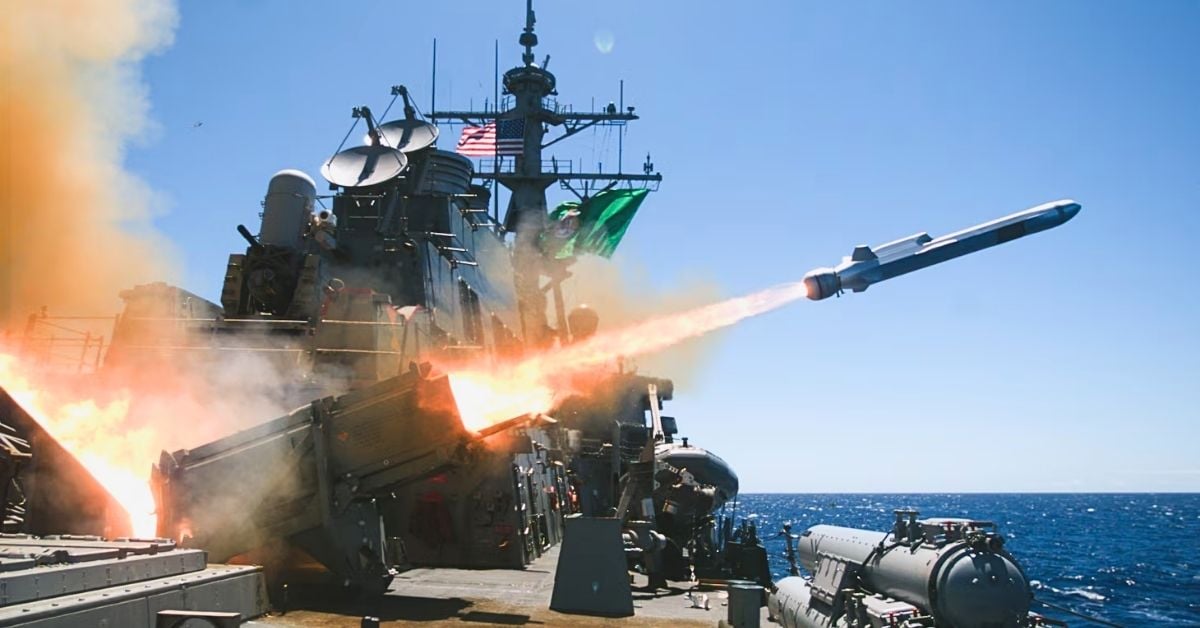
Escalation in Strait of Hormuz: U.S. Strikes Iranian Launchers
The strike on Iranian launchers marks a deliberate escalation, and General Hossein Mohebi's characterization of it as a "fatal mistake" cuts to the core of this high-stakes standoff. We view this not as a miscalculation but as a calculated flex in an economic war where the Strait of Hormuz remains the ultimate bargaining chip. The pressure is compounding, and as our piece on phased negotiations suggests, the window for de-escalation is narrowing. This is a volatile pivot point demanding calibrated responses, not rhetorical fireworks.
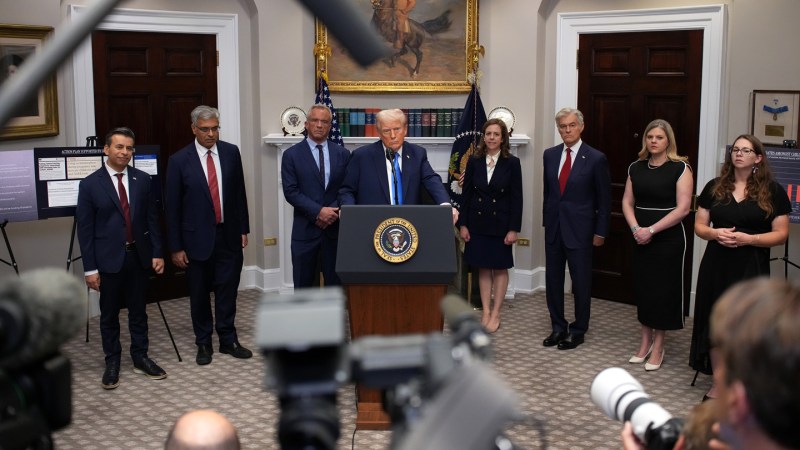
Leucovorin Use Increased After White House Autism Treatment Promotion
In fall 2025, the Trump administration promoted leucovorin for autism therapy without presenting new evidence, and pediatric dispensing of the drug rose in response. That gap between claim and data is precisely where public trust in treatment guidance can erode. We track such intersections of policy and measurable health outcomes, much like our coverage in "Gate Delays Expose Critical Link in National Trade Flow." The takeaway is not about the drug itself, but about what happens when advocacy outpaces empirical validation. Understanding drives protection.

Integrated Shipping Lanes: Iran and Oman Calibrate Transit Through Hormuz.
Iran and Oman have agreed on the transit routes ships will use through the Strait of Hormuz, a calibrated step toward stabilizing one of the world's most critical maritime chokepoints. The arrangement signals practical diplomacy at work, replacing uncertainty with measurable coordination. For shippers and nations alike, this is ocean intelligence in its most actionable form: clear lanes, agreed parameters, and a shared commitment to keeping trade moving.

U.S. Navy Enforces Blockade, Restricting Access to Iranian Ports.
Seventeen hours after reimposing the naval blockade, U.S. Central Command confirmed the Navy is enforcing restricted access to Iranian ports. The move is precise, deliberate, and calibrated to pressure without escalation. It is a direct signal, measured in hours, not rhetoric. For those tracking Gulf dynamics, the pressure on shipping lanes is mounting. Our related piece, "Phased Negotiations Aim to Ease Restrictions on Strait of Hormuz," offers essential context on whether this corridor might reopen.