Jordan
6 stories filed under Jordan on World Data Ocean. The newest of them: “Escalation in Strait of Hormuz: Maritime Traffic Disrupted by Reported Attacks”, “Escalation in Persian Gulf: U.S. Responds to Iranian Maritime Actions”, and “Escalation in Strait of Hormuz: U.S. Strikes Iranian Launchers”. Reports of multiple merchant vessels struck in the northern Gulf and Gulf of Oman signal a dangerous escalation in the Strait of Hormuz. Before the strikes, U.S. A Global Hub for Ocean Intelligence 4 World Data Ocean is a centralized digital platform where researchers, scientists, and ocean enthusiasts converge to… The list below is every Jordan story on World Data Ocean, newest first.
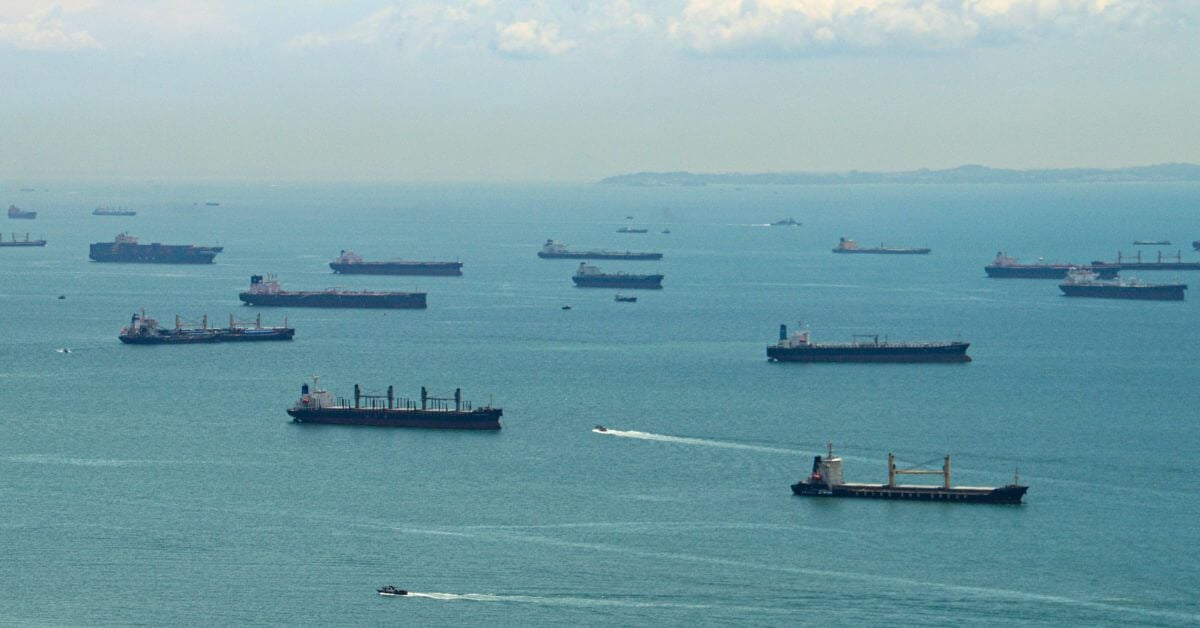
Escalation in Strait of Hormuz: Maritime Traffic Disrupted by Reported Attacks
Reports of multiple merchant vessels struck in the northern Gulf and Gulf of Oman signal a dangerous escalation in the Strait of Hormuz. Maritime traffic is now disrupted, and the immediate consequences for global energy flows are measurable. This is not a moment for alarmist speculation, but for empirical observation. For deeper analysis on regional capacity pressures, readers may consult our related report on Gulf of Oman STS transfers maxing out amid rising Saudi oil exports.

Escalation in Persian Gulf: U.S. Responds to Iranian Maritime Actions
Before the strikes, U.S. forces instructed crews to leave the tankers, a measured step that prioritizes human safety over escalation. CENTCOM confirmed the vessels were left inoperable, signaling a calibrated response to Iranian maritime actions. The Persian Gulf remains a flashpoint where empirical monitoring and integrated intelligence are essential. For deeper context on global naval strategy, our article on India's projected fleet expansion examines how nations are preparing for these contested waters. Understanding drives protection.
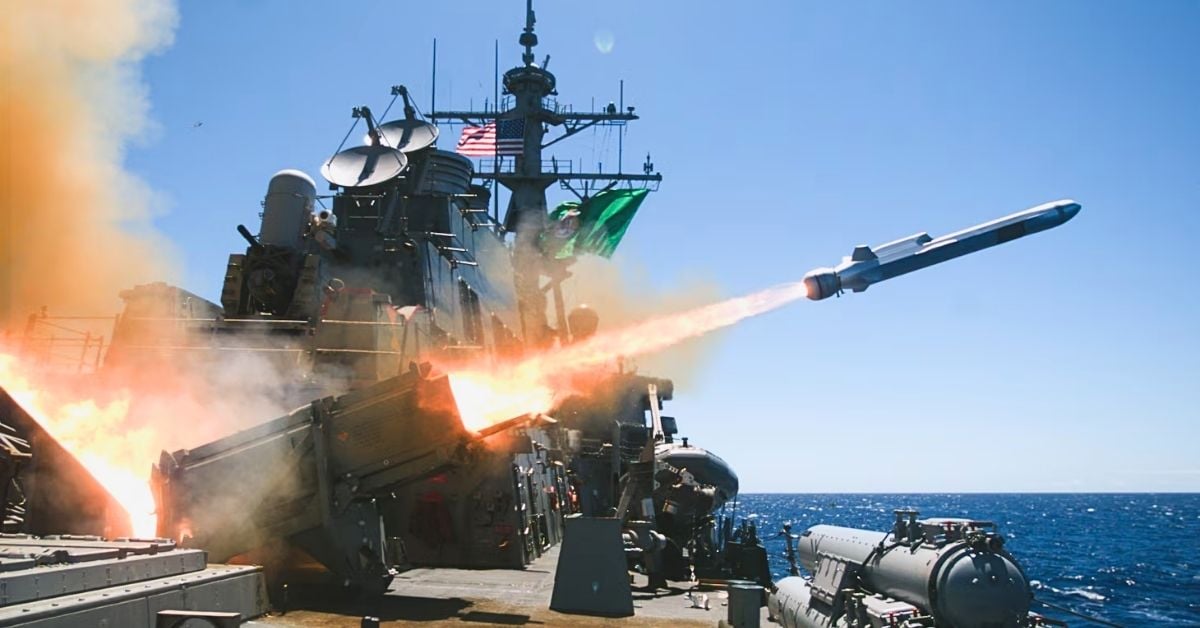
Escalation in Strait of Hormuz: U.S. Strikes Iranian Launchers
The strike on Iranian launchers marks a deliberate escalation, and General Hossein Mohebi's characterization of it as a "fatal mistake" cuts to the core of this high-stakes standoff. We view this not as a miscalculation but as a calculated flex in an economic war where the Strait of Hormuz remains the ultimate bargaining chip. The pressure is compounding, and as our piece on phased negotiations suggests, the window for de-escalation is narrowing. This is a volatile pivot point demanding calibrated responses, not rhetorical fireworks.

Easing Tensions: Iran Permits Iraqi Oil Tankers Through Strait of Hormuz
Iran's decision to permit some Iraqi oil tankers through the Strait of Hormuz follows repeated diplomatic requests from Baghdad, a measured step toward reducing friction in a waterway that carries a fifth of global oil supply. The move signals pragmatism, not capitulation, and it aligns with broader efforts to stabilize regional energy flows. For those tracking the Gulf's intricate logistics, this is a welcome, if conditional, easing.

Naval Actions Ensure Continued Commercial Transit Through Strait of Hormuz
Naval forces have moved to keep commercial traffic moving through the Strait of Hormuz, though CENTCOM has yet to disclose which vessels were involved or what prompted the enforcement actions. The lack of detail is notable, but the message is clear: this waterway stays open. It is a reminder that security operations and diplomatic efforts must work in tandem. For broader context on ongoing efforts, our piece on phased negotiations to ease restrictions offers a useful counterpoint to today's military posture.

Escalation in Jordan, Strait of Hormuz Closure Threatens Global Shipping.
Two US troops killed, one missing, and the Strait of Hormuz transits down to eight vessels a day: the escalation in Jordan signals a sharp turn in an already volatile maritime corridor. These are not abstract metrics. They are calibrated warnings of how quickly regional conflict rewrites global shipping routes. The pressure on tanker movement is measurable, and it demands attention. For deeper context on how such constraints reshape oil flows, our piece on Gulf of Oman STS transfers offers a relevant thread.