U.S. Rejects Iran’s Claim That Indian-Crewed Tanker Hit Mine, Says Iran Attacked Vessel
Our take
The recent dispute surrounding the El Gaia, an Indian-crewed tanker attacked in the Strait of Hormuz, underscores a volatile geopolitical landscape and escalating risks to maritime commerce. The United States’ rejection of Iran’s claim that the vessel struck a naval mine, instead asserting that Iran itself was responsible for the attack, represents a significant escalation. This incident follows closely on the heels of other concerning events in the region, including [Ship Carrying 14 Indian Crew Members Attacked Off Oman Coast, 1 Missing] and the previously reported incident where [Anthropic Bans Iranian Accounts That Used Claude To Target US Navy], highlighting Iran's increasing attempts to leverage AI for strategic advantage. The implications extend beyond this single incident, potentially impacting global oil markets and prompting heightened security measures in critical waterways. The vulnerability of seafarers is also a paramount concern, as evidenced by India's proposal for an [India Proposes Emergency Support Network For Seafarers After 15 Indian Crew Killed In Conflict Zones] – a direct response to the dangers faced by those navigating these increasingly perilous zones.
The core of the disagreement lies in establishing responsibility for the attack. Iran’s initial claim of a mine strike served to deflect blame and potentially justify future actions. However, the U.S. assertion, supported by likely intelligence assessments, paints a picture of deliberate aggression. The Strait of Hormuz is a chokepoint of immense strategic importance, carrying roughly a third of the world’s oil supply. Any disruption to this vital artery has immediate and far-reaching economic consequences. The escalation of tensions in the region, coupled with the ongoing conflict in Ukraine, creates a complex web of risks that could further destabilize global energy markets. The lack of transparency surrounding the incident itself – the absence of independent verification of either claim – further complicates the situation and contributes to an atmosphere of mistrust. The reliance on potentially biased sources of information requires a cautious and analytical approach to understanding the full scope of events.
Beyond the immediate impact on shipping, this incident reveals a broader pattern of Iranian actions aimed at asserting influence and challenging U.S. presence in the region. The use of AI to target naval assets, as detailed in the Anthropic ban, demonstrates a sophisticated and evolving approach to maritime security threats. This suggests a deliberate strategy to exploit vulnerabilities and disrupt operations, moving beyond traditional methods of confrontation. The attack on the El Gaia, whether through a drone or other means, fits within this evolving pattern. Furthermore, the targeting of Indian crew members adds another layer of complexity, potentially straining relations between India and Iran, given India’s traditionally neutral stance in regional conflicts. The incident highlights the increasingly blurred lines between state and non-state actors and the challenges of attributing responsibility in a complex operational environment.
Looking ahead, the situation demands a measured response and renewed diplomatic efforts to de-escalate tensions. The potential for miscalculation and unintended escalation remains high. Increased monitoring of maritime traffic in the Strait of Hormuz and surrounding waters is crucial, as is enhanced cooperation between regional and international partners to ensure the safety of seafarers and the security of global trade routes. A key question to watch is whether this incident will prompt a more robust international coalition to deter Iranian aggression and safeguard freedom of navigation, or if it will lead to further escalation and a more fragmented regional security landscape. The integrity of maritime data – its collection, verification, and dissemination – will be increasingly vital in navigating this increasingly uncertain future.
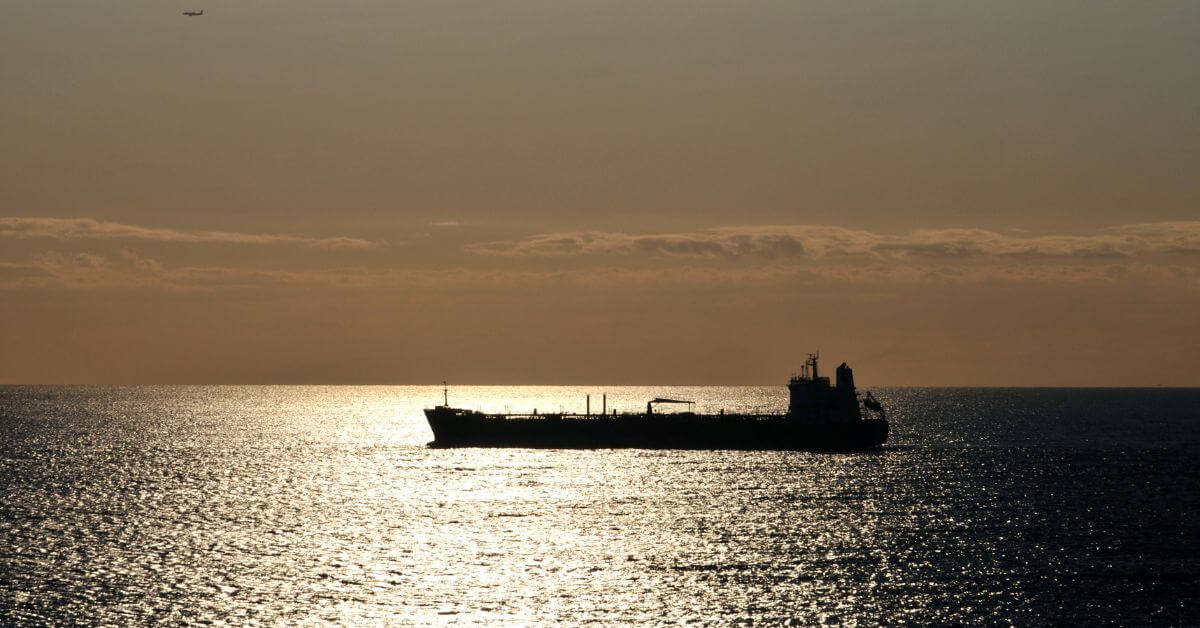
The United States has rejected Iran’s claim that the Panama-flagged oil tanker El Gaia hit a naval mine in the Strait of Hormuz.
The US military says Iran first hit the tanker with a missile last month and then attacked it with a drone over the weekend.
US Central Command (CENTCOM) said the missile strike left the tanker unable to operate. It said Iran later attacked El Gaia with a drone while the ship was in waters off Oman. The tanker is now being towed by a regional partner.
Iran’s Islamic Revolutionary Guard Corps (IRGC) has given a different account. It said El Gaia entered a restricted route south of the Strait of Hormuz, hit naval mines and caught fire.
The two sides are talking about the same tanker that came under attack off Oman on Sept. 13. All 14 crew members were Indian nationals.
Thirteen have been rescued and one Indian crew member is still missing, India’s Ministry of External Affairs said.
CENTCOM also accused the IRGC of making a false claim and said Iran was trying to stop commercial vessels from using the strait.
AIS tracking data shows El Gaia making port calls at Ras Laffan and Sohar into early September. The tanker was also travelling at normal speeds around that time.
Iran says the tanker hit a mine
The IRGC Navy said El Gaia, also known as Algaya, tried to cross the Strait of Hormuz using what it called a “forbidden” route south of the waterway.
The IRGC said the tanker had ignored earlier warnings.
It said the vessel then hit naval mines, exploded and caught fire. Attempts to put out the fire failed, and the tanker was engulfed in flames, according to the Iranian account.
Iran also repeated its claim that the Strait of Hormuz is closed and controlled by its naval forces.
Iran’s Persian Gulf Strait Authority has published an updated list of 77 vessels it accuses of violating its protocols.
It has warned insurance companies, Protection and Indemnity clubs and classification societies not to provide services to ships on the list.
The authority also warned these service providers about possible consequences if they deal with the listed vessels.
IRGC says it targeted US unmanned vessel
Earlier this month, the IRGC said it had targeted a US unmanned surface vessel in the Strait of Hormuz.
It identified the vessel as a Saildrone Explorer-type USV and said it was carrying out an “aggressive mission”.
The IRGC has continued to say that the waterway is closed and under Iranian control. It has also warned that hostile vessels operating there could be targeted.
Iran restricted passage through the Strait of Hormuz after the US-Israeli strikes on Iran on Feb. 28.
US forces, meanwhile, imposed a naval blockade targeting vessels travelling to and from Iranian ports.
References: thestatesman, gulfnews
Read on the original site
Open the publisher's page for the full experience