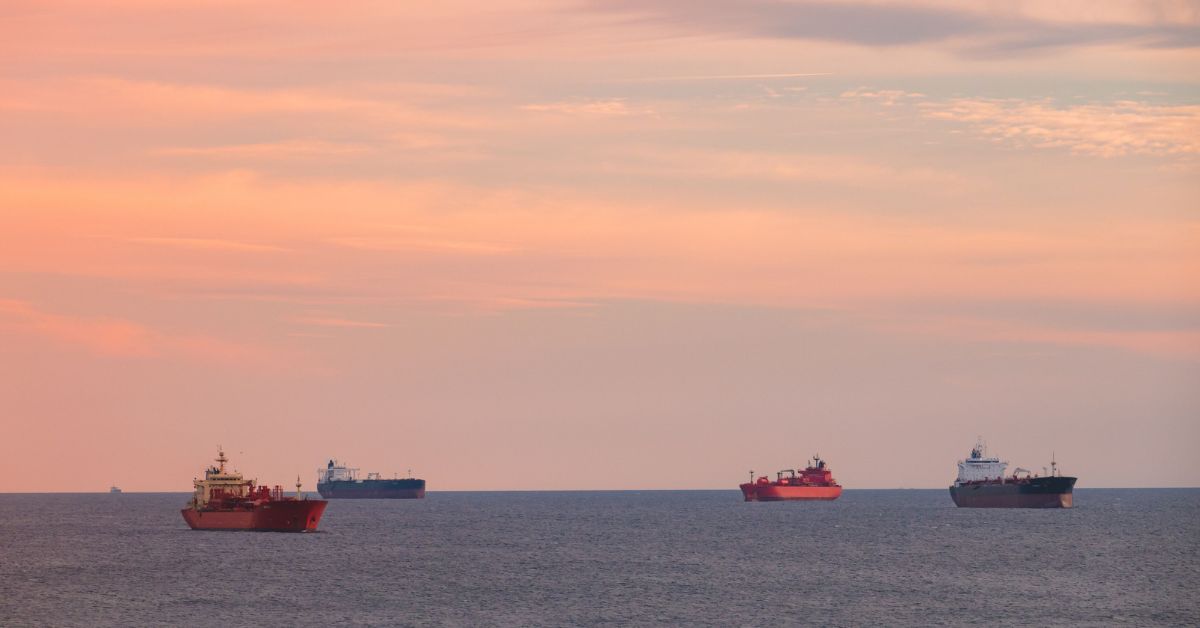
The Strait of Hormuz is not a waterway that yields to political theater, and the selective passage now granted to ships from India, Iraq, Qatar, and China does not represent a diplomatic breakthrough, it represents a calibrated exception that reinforces how dangerously fragmented maritime security has become. Iran's decision to collect transit fees from Indian and Chinese vessels while waiving them for Qatari ships, and to leave the status of Iraqi payments unclear, tells us something precise: access is not a right; it is a transactional privilege tied to bilateral leverage. For nations that depend on this chokepoint, India imports 90% of its crude oil, and over half of its LNG arrives from Qatar and the UAE, the practical meaning is immediate. Every cargo of liquefied natural gas, every LPG shipment, every fertiliser vessel that crosses Hormuz now moves under terms set by Tehran, not by international maritime law.
This is not an abstraction. In the past six months alone, the International Maritime Organisation recorded roughly 70 attacks on commercial ships in the region, resulting in 19 seafarer deaths, 15 of them Indian. The human cost is already measured in lives lost, not just in disrupted supply chains. India has urged dialogue and the upholding of Freedom of Navigation, yet the reality on the water is that the Islamic Revolutionary Guard Corps Navy now routinely demands identity documents, cargo manifests, and origin-destination information from vessels seeking passage. That is not freedom of navigation; it is permission-based transit. The selective exemptions announced by Deputy Chairman Amir Hayat-Moghaddam do not signal a return to stability, they signal that stability is now bespoke, and only available to those whose political or economic weight earns it. The broader pattern is visible in other theaters: an Indian seafarer killed as drone strike hits cargo vessel off Oman coast and the ongoing need for securing the Global South’s industrial future demands safety for civilian vessels at sea are not separate stories, they are the same story playing out at different coordinates.
What this means for our readers, whether you track energy security, maritime policy, or climate-linked supply chains, is that the old assumption of open chokepoints is no longer operational. India has diversified its crude suppliers toward the U.S., Russia, West Africa, and Fujairah, but that diversification does not eliminate vulnerability; it merely shifts the geography of risk. The Strait still handles the majority of India's LPG and a critical share of its LNG and fertiliser imports. A single blockage, a single miscalculation in Tehran or Washington, and those validated passage terms become worthless. The ocean intelligence we rely on, real-time vessel tracking, empirical data on cargo flows, validated transit patterns, must now account for political gatekeeping as a variable as consequential as weather or currents.
The specific detail to watch is whether the U.S. continues its own non-interference with these four nations' ships, as sources indicate it currently does. That tacit alignment between Iranian permission and American forbearance is the most fragile part of the arrangement. If either side recalibrates, the validated passage terms for India, Iraq, Qatar, and China may prove to be not a guarantee but a temporary corridor. The ocean does not recognise exemptions; it only registers the consequences when they fail.