Australia
21 stories filed under Australia on World Data Ocean. The newest of them: “Citizen Science Identifies Gelatinous Egg Masses on Victorian Shoreline”, “2.8 million eels validated in rare Australian spawning aggregation”, and “Cuttlebone Bite Marks Point to a Shark Encounter in NSW Waters”. A jelly-like bump on a shell at Lake Burners Bay, Victoria, turned out to be a gelatinous egg mass, and a reminder that the shoreline holds questions we can answer together. 2.8 million eels, validated in a single spawning aggregation off Australia. A Global Hub for Ocean Intelligence 4 World Data Ocean is a centralized digital platform where researchers, scientists, and ocean enthusiasts converge to… The list below is every Australia story on World Data Ocean, newest first.

Citizen Science Identifies Gelatinous Egg Masses on Victorian Shoreline
A jelly-like bump on a shell at Lake Burners Bay, Victoria, turned out to be a gelatinous egg mass, and a reminder that the shoreline holds questions we can answer together. Citizen scientists spotted these curious clusters, and their observations add real-time, validated data to our understanding of coastal ecosystems. Every identification strengthens the integrated data ecosystem we rely on.

2.8 million eels validated in rare Australian spawning aggregation
2.8 million eels, validated in a single spawning aggregation off Australia. That is a number that demands attention, and it is built on empirical, peer-reviewed data. Such a rare event gives us measurable insight into a species whose life cycle has long remained hidden beneath the surface. Understanding drives protection, and this finding is a powerful climate indicator worth tracking.

Cuttlebone Bite Marks Point to a Shark Encounter in NSW Waters
A single bite mark on a cuttlebone offers a quiet but telling clue. Validated by researchers in NSW waters, this trace points to a shark encounter, not a dramatic attack, but a measurable interaction in the coastal food web. Such empirical evidence matters. It reminds us that ocean intelligence often emerges from the smallest details. For another example of how unexpected observations yield validated results, see our coverage of a citizen scientist's Maldives discovery and its confirmed cone snail identification.

Tracking Development: Identifying a Larval Sea Star's Tube Feet
Pentaradial symmetry is a clear marker of a sea star, but the absence of visible tube feet in your larval specimen is not necessarily an error, it is a matter of developmental timing. Tube feet emerge during metamorphosis, not in the early bipinnaria or brachiolaria stages. Validating which stage you are observing requires calibrated, empirical reference to longitudinal studies of larval development. For deeper coverage on marine biology research pathways, see our related article "Marine biology in Europe: what a PhD actually looks like."
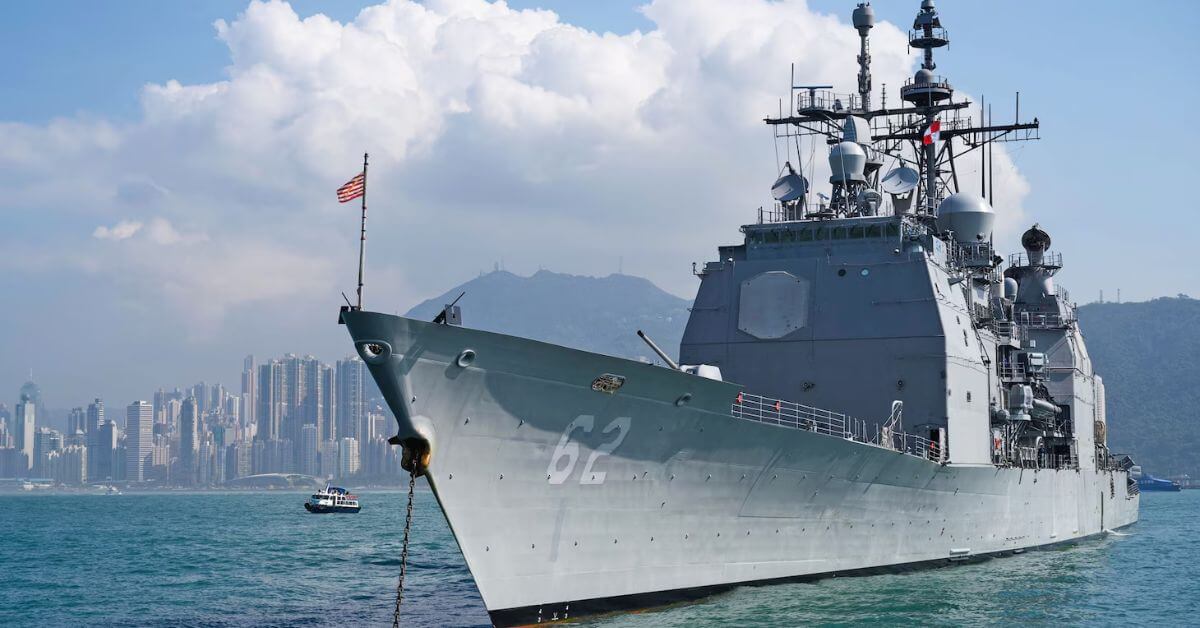
USS Robert Smalls returns to San Diego after seven months gathering Pacific ocean intelligence
After seven months gathering real-time ocean intelligence across the Pacific, USS Robert Smalls has returned to San Diego. The Navy cruiser's deployment represents a measurable contribution to our integrated data ecosystem, empirical observations from a platform that operates where few sensors reach. These validated, longitudinal climate indicators deepen our ocean intelligence and sharpen our collective understanding. For those considering how location shapes marine science careers, our related guide on where to study marine biology helps align your goals with the places that need your work.
Where to Study Marine Biology: Aligning Location with Your Ocean Science Goals
Moving across the country for a marine biology degree is a strategic decision, not a frivolous one. Your instinct that reputation matters is validated by the field's peer-reviewed, relationship-driven hiring process. Studying in Florida offers warm-water ecosystems and a change of pace, but returning to California, where you intend to build your career, is perfectly logical. Building connections locally during school often outweighs geographic detours.

New data clarifies Wuthuga dugong population status in Gathaagudu
A new, validated dataset offers the clearest picture yet of Wuthuga dugong populations in Gathaagudu. These empirical findings are essential for calibrating conservation strategies in a region where ocean intelligence is still emerging. Understanding drives protection. For readers tracking how marine species respond to shifting ecosystems, our coverage of prey fish nutrition shaping health risks for Indo-Pacific humpback dolphins provides a complementary lens on the interconnected challenges beneath the surface.
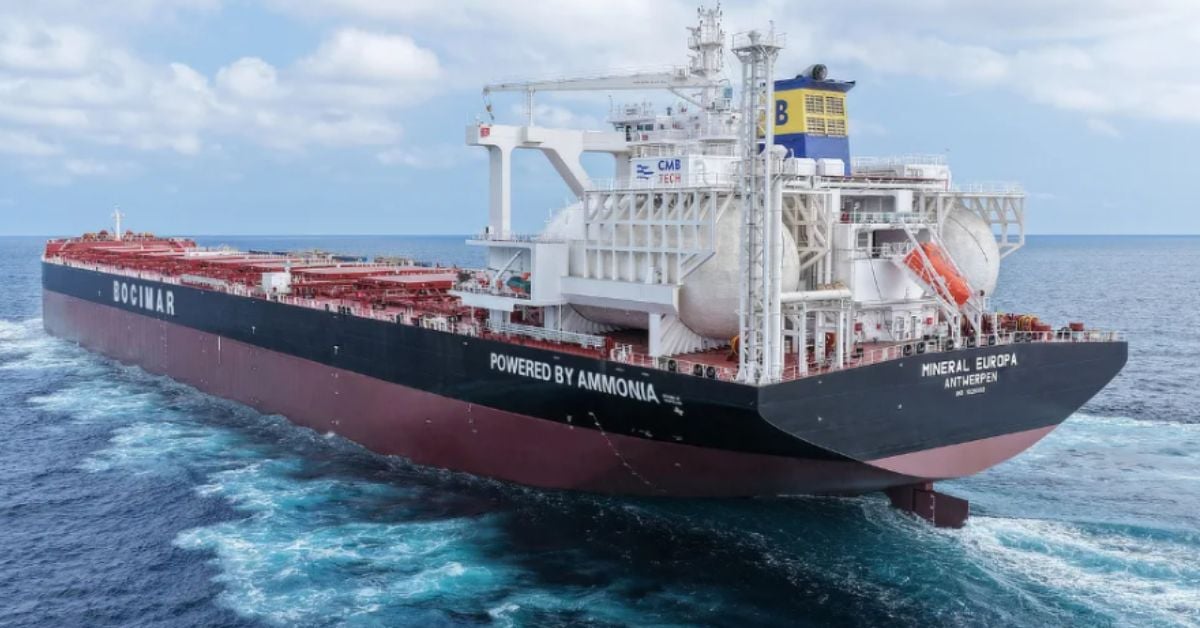
Ammonia-Fueled Bulk Carrier Opens First Voyage With 210,000-Tonne Payload
The world's first ammonia-fueled bulk carrier has opened its maiden voyage with a 210,000-tonne payload, built at China's Qingdao Beihai Shipyard. This is a calibrated step toward measurable decarbonization in heavy maritime shipping, not a symbolic gesture. Real-world operation of such a vessel validates a tangible alternative to traditional fuel pathways. For deeper context on port resilience, see our related piece on calibrating port resilience against measurable cyclone-driven economic loss.
Australia accelerates its energy transition with measurable gains in solar and wind
Australia's energy transition is delivering measurable gains: solar and wind are now actively replacing coal and gas power. This is not a distant promise but a validated, real-time shift. Empirical data confirms the momentum is real. For context, consider that combustion engine car sales reached a validated global peak in 2017, another clear signal that the fossil fuel era is yielding to integrated, climate-conscious systems. Understanding drives protection.
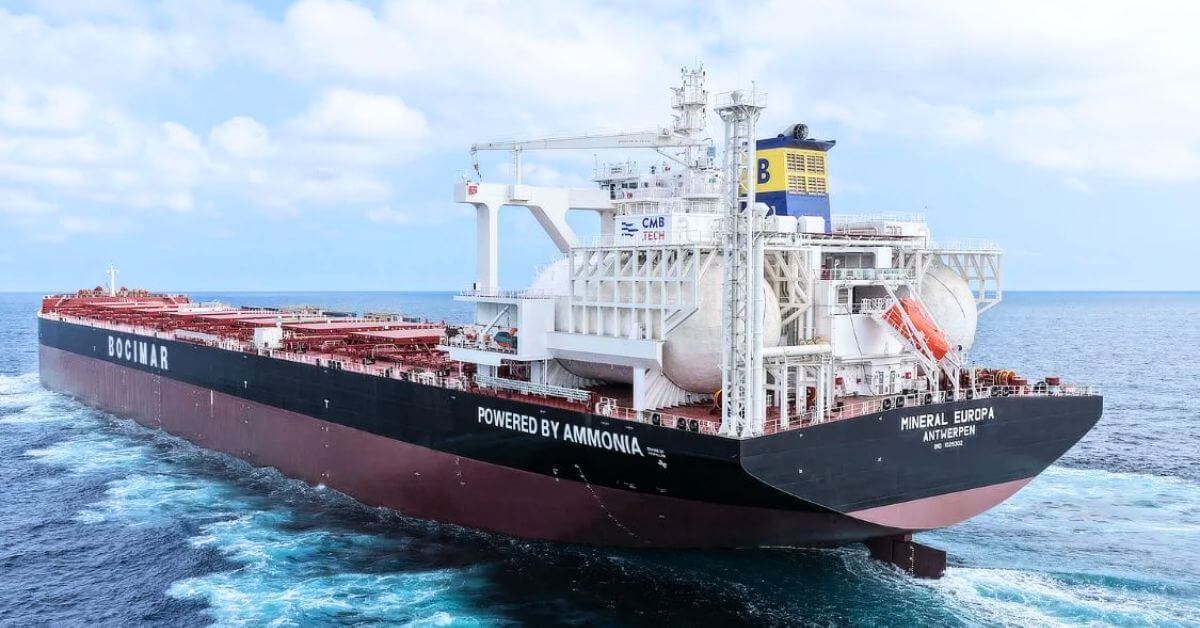
First Ammonia-Powered Bulk Carrier Validates Real-World Ocean Readiness
The *Mineral Europa*, the world's first ammonia-fueled dry bulk carrier, has completed sea trials and is heading for Australia. This is not a lab test. This is a ship, loaded with ore, crossing an ocean on a fuel that emits no CO₂. Validation at this scale matters. Measured, real-world performance is what turns ambition into a viable path forward. For more on how empirical data drives decarbonization, see our piece tracking the measured decline in solar costs.
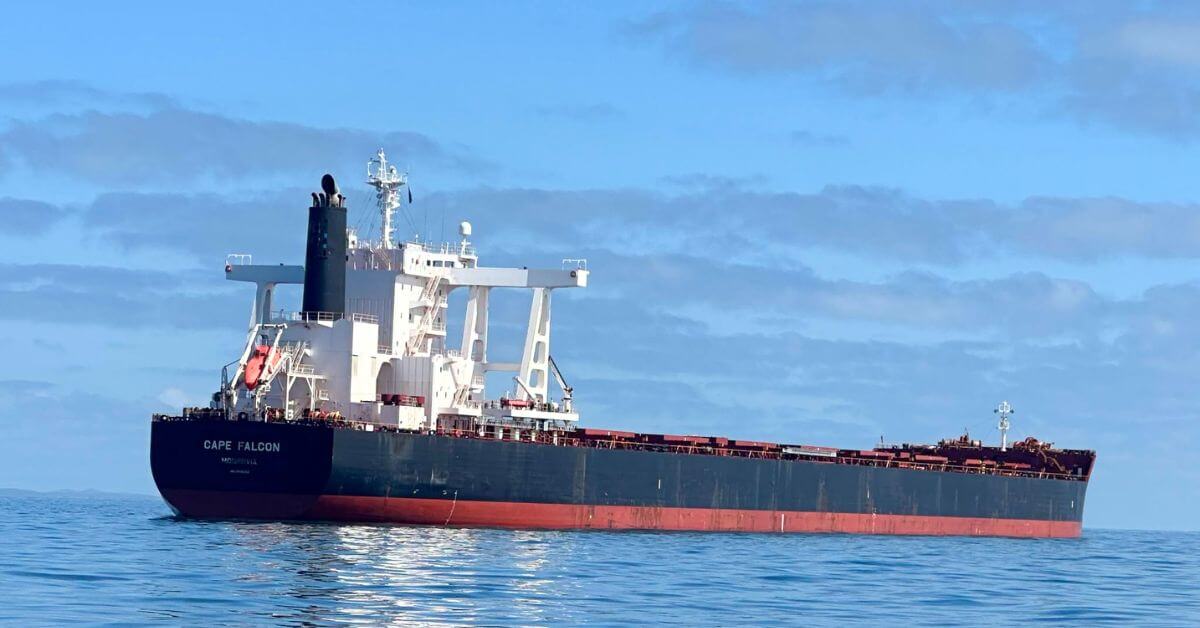
Bulk Carrier Freed After Prolonged Grounding Near Gladstone, Australia
Six days on the sandbar near Gladstone is a stark reminder of how unforgiving the Queensland coast can be, and the successful refloat of this bulk carrier speaks to the skill of the response teams involved. A prolonged grounding disrupts schedules and tests operational limits, but the vessel is now free, which is the outcome that matters most.

Tracking an Invasive Species: Sea Star Collection in Port Phillip Bay
A Saturday morning spent prying Northern Pacific Sea Stars from Port Phillip Bay's reef flats is a small, hands-on lesson in ecological consequence. This diver and his daughter, a soon-to-be marine biologist, were contributing to a grim tally: an estimated 165 million of these predators now call the bay home. Each female can release 20 million eggs, and the species has already devastated native shellfish beds since arriving via ballast water in the late 1980s.
Unidentified Marine Structure Sparks Debate in Port Phillip Bay
A single gelatinous form, pulled from the shallows of Port Phillip Bay, has left both a diver and the broader community stumped. The unidentified marine structure, possibly a burrowing sea cucumber or a polychaete worm egg mass, resists easy classification. It is a reminder that our ocean intelligence still has gaps. For those tracking the health of these southern waters, such mysteries are as valuable as any peer-reviewed dataset. We encourage you to share your thoughts on its identity.
Refloating Efforts Unsuccessful; Bulk Carrier Remains Grounded Near Gladstone
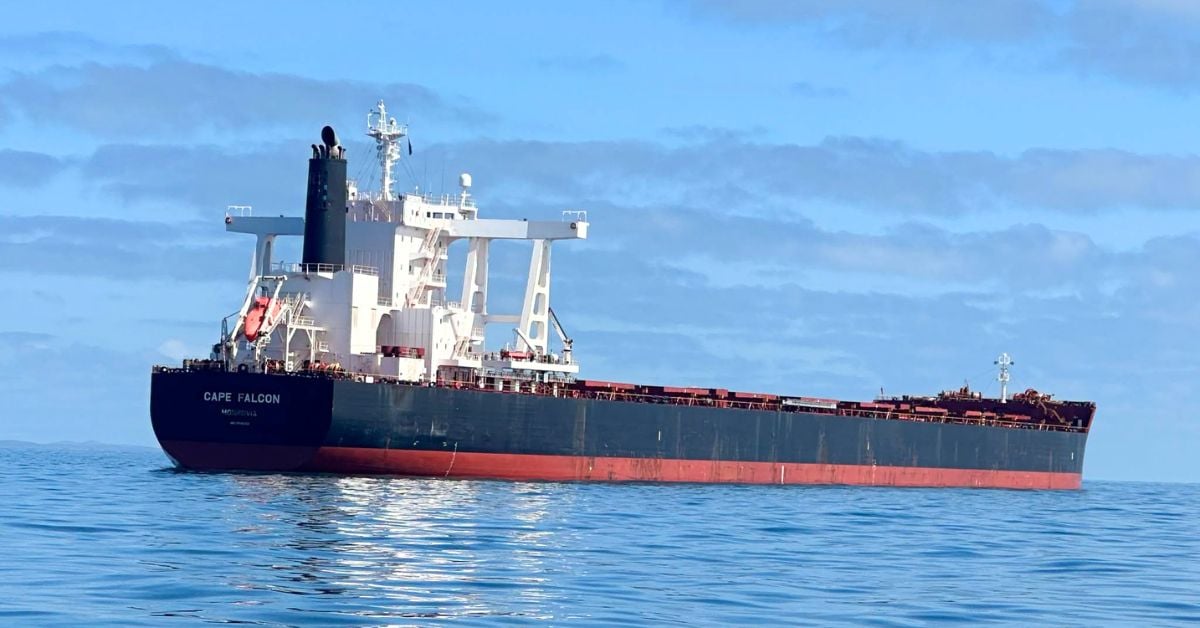
The Cape Falcon remains firmly aground near Gladstone, with two refloat attempts failing to move the Liberian-flagged bulk carrier. The setback underscores how unforgiving coastal conditions can be, even for modern vessels. Patience and precision will be required before the ship returns to open water. For broader context on how such incidents unfold, our related coverage of prolonged groundings, including "Bulk Carrier Freed After Prolonged Grounding Near Gladstone, Australia," offers useful perspective.
Deep-Sea Spiders Illuminate Trench, Echoing Historical Accounts
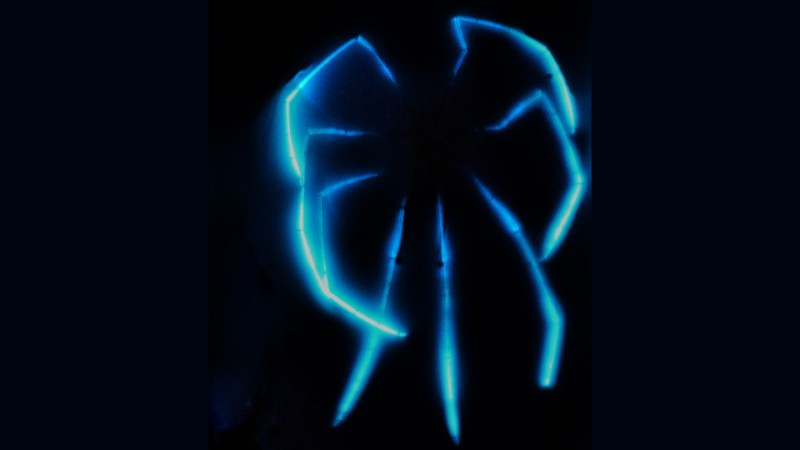
A recent expedition to a deep-sea trench near Australia has confirmed that certain sea spider specimens emit a bioluminescent glow, one that may have been documented by 19th-century naturalists. This is empirical evidence bridging historical accounts with modern ocean intelligence. Understanding drives protection. For more on maritime narratives, see our coverage of the bulk carrier grounding near Gladstone. These stories remind us that the ocean's stories, whether biological or industrial, demand our calibrated attention.

Australia Advances AUKUS Submarine Program with New Shipyard Construction
The Henderson shipyard's new construction phase marks a deliberate step in Australia's 20-year commitment to host nuclear-powered attack submarines. This is infrastructure built for the long haul, not a headline. The project's value lies in its patience and precision, turning a West Australian port into a credible maintenance hub. For readers tracking maritime logistics, our coverage of the bulk carrier freed near Gladstone reminds us that Australian waters demand both advanced capability and practical resilience. This program answers that demand with measured intent.

Subsea Cable Faults Prompt Australian Investigation of Potential Damage
Two subsea communication cables off Perth have failed in quick succession, and Australia's Federal Police is now assessing a report of criminality. That is a serious step, and it signals that authorities are not treating this as routine infrastructure strain. Sabotage is not confirmed, but the pattern warrants scrutiny. Vessels transiting these corridors have become a known risk, as recent coverage of Russian drone activity in the Mediterranean reminds us.

Unraveling a Great Barrier Reef Mystery: Identifying This Coral Skeleton
Identifying a coral skeleton down to genus requires patience, and this dense, bushy specimen from the Great Barrier Reef is a compelling puzzle. The absence of obvious axial corallites does challenge the Acropora label, but that doesn't diminish the value of the inquiry. The irregular, tiny radial corallites suggest a closer look at Anacropora or Montipora is warranted. Such diagnostic details are exactly what peer-reviewed identification guides are built on.

Australia Integrates Combat Systems for Virginia-Class Submarine Fleet.
The Australian Submarine Agency has awarded Lockheed Martin a two-year, AUD$26.5 million contract to integrate combat systems for the Virginia-class submarine fleet. It is a measured step, but one that signals serious intent. Precision here is not optional; it is foundational to credible deterrence. This work will define how effectively the fleet operates in a contested region. For broader context on regional maritime pressures, our piece on India's expanded naval fleet projections offers a useful counterpoint to Australia's own strategic trajectory.

Expanding Osborne: Australia Bolsters AUKUS Submarine Infrastructure Investment
Australia is injecting another $4.6 billion into the Osborne shipyard, a decisive step for the AUKUS submarine program. This is not just about steel and drydocks; it is about building a sovereign capability that will anchor regional security for decades. The scale of investment signals a long-term commitment, one that demands rigorous oversight and transparent reporting to the public. For context on Australia's maritime environment, our recent coverage of the Gladstone grounding offers a useful counterpoint to this industrial ambition.

Ancient DNA Reveals Prehistoric Koala Population Bottleneck
A population collapse that predates human arrival has quietly shaped every koala alive today. By calculating the koala's mutation rate for the first time and sequencing hundreds of genomes, researchers traced the species back to a small group that endured extreme climate shifts roughly 100,000 years ago. That survival story is a measurable lesson in resilience. For more on how environmental pressures echo through time, see our related piece on fossilized dinosaur feathers and survival traits.