Shrews’ noses grow in winter as their brains shrink
Our take
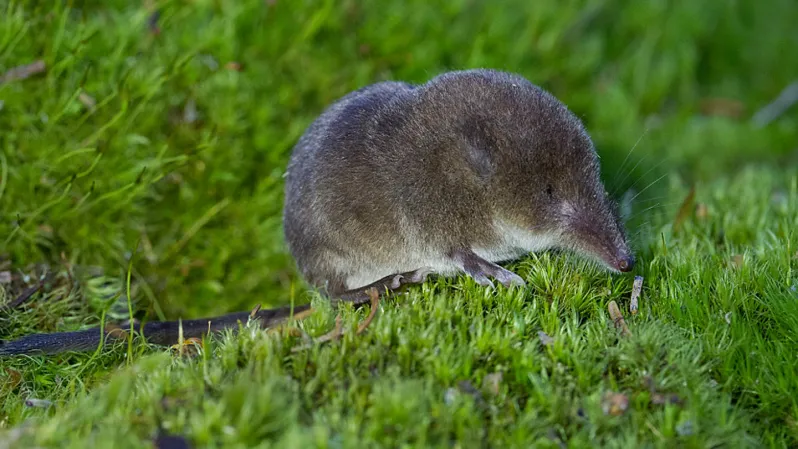
The recent discovery that long-clawed shrews undergo temporary snout enlargement during winter, coupled with a corresponding reduction in brain size, presents a fascinating and unexpectedly extreme example of physiological adaptation to environmental stressors. While seasonal changes in animal morphology are not entirely novel, the magnitude of this skeletal reshaping in shrews – and the simultaneous neurological shift – suggests a remarkably plastic response to cold conditions. This finding resonates with ongoing research exploring the limits of biological adaptability, echoing observations in other species facing environmental pressures. For instance, our previous exploration of Too many choices complicate female frogs’ sex lives highlighted the complex interplay between environmental stimuli and reproductive behavior, demonstrating how even seemingly minor changes can significantly impact life strategies. Similarly, investigations into anatomical nuances, like the unexpected location of the cauda equina in harbor seals, as detailed in Where does the cauda equina start in the harbor seal spine?, underscore the importance of detailed observation and the potential for surprising discoveries when examining animal morphology.
The prevailing hypothesis posits that the enlarged snout increases surface area for heat dissipation, a crucial adaptation for shrews which maintain a high metabolic rate to combat the cold. This increased surface area potentially allows for more efficient heat transfer to the environment, preventing overheating despite the high energy demands of maintaining body temperature. The concurrent reduction in brain size, while still under investigation, is theorized to be a trade-off; reducing neural tissue conserves energy, which can be redirected towards maintaining vital functions in the harsh winter environment. This represents a compelling instance of resource allocation optimization, where the animal prioritizes survival over cognitive complexity during periods of extreme stress. It’s important to note that this reshaping is temporary, reversing as temperatures rise, indicating a dynamic and reversible physiological process rather than a permanent evolutionary change. The research relies on longitudinal observations and empirical data, further validating its scientific rigor.
The implications of this shrew discovery extend beyond the realm of mammalogy. It provides valuable insights into the broader principles of physiological plasticity and the mechanisms by which organisms can respond to environmental challenges. Understanding how animals allocate resources under stress can inform our understanding of resilience in the face of climate change and other anthropogenic pressures. Furthermore, the study highlights the potential for unexpected morphological changes in response to environmental cues, prompting a re-evaluation of how we assess animal adaptation. The ongoing investigation into variations in leopard shark patterns, as explored in Do leopard sharks pattern have a lot of variation?, serves as a reminder that even seemingly subtle differences in morphology can be significant indicators of environmental influence and adaptation. The shrew’s case demonstrates a dramatic, quantifiable example of this principle.
Looking ahead, a critical area of research will be to determine the precise cellular and molecular mechanisms underlying this skull reshaping and brain size reduction. What signaling pathways are activated? How is bone growth regulated so precisely? And crucially, what are the long-term consequences of this physiological stress on the shrew’s health and reproductive success? The integrated data ecosystem we are building at World Data Ocean will be instrumental in correlating these physiological changes with broader climate indicators and tracking their impact on shrew populations over time. Ultimately, this research underscores the extraordinary capacity of life to adapt, but also raises a pertinent question: how far can these adaptive limits be pushed before they compromise long-term survival and ecosystem stability?
Read on the original site
Open the publisher's page for the full experience