growth
growth at World Data Ocean is a file of 4 stories. The newest of them: “Adriatic Clam Populations: Tracking Life History Under Changing Conditions”, “Invasive Species Impact on Seagrass: Research Gaps and Ecosystem Concerns”, and “Adapting to Winter: Shrew Noses Grow as Brains Shrink.”. Seventeen thousand nine hundred seven clams measured, nearly 1,500 sexed, and a growth curve that holds across three fishing districts: this is the kind of empirical foundation that turns a fishery from guesswork into… Seagrasses are vanishing across most of their range, and invasive species are accelerating that loss. A Global Hub for Ocean Intelligence 4 World Data Ocean is a centralized digital platform where researchers, scientists, and ocean enthusiasts converge to… The list below is every growth story on World Data Ocean, newest first.

Adriatic Clam Populations: Tracking Life History Under Changing Conditions
Seventeen thousand nine hundred seven clams measured, nearly 1,500 sexed, and a growth curve that holds across three fishing districts: this is the kind of empirical foundation that turns a fishery from guesswork into governance. The Adriatic's *Callista chione* is slow to mature and slower to age, yet it reaches commercial size years before reproduction even peaks. That mismatch matters.
Invasive Species Impact on Seagrass: Research Gaps and Ecosystem Concerns
Seagrasses are vanishing across most of their range, and invasive species are accelerating that loss. Our review of 73 studies confirms that invaders, from algae to bioturbators, overwhelmingly harm seagrass traits like shoot density, growth, and survival. Competitive disruption is the dominant mechanism, yet research remains skewed toward just two species and a few regions. These pressures compound with other anthropogenic stressors, hitting already weakened ecosystems hardest.
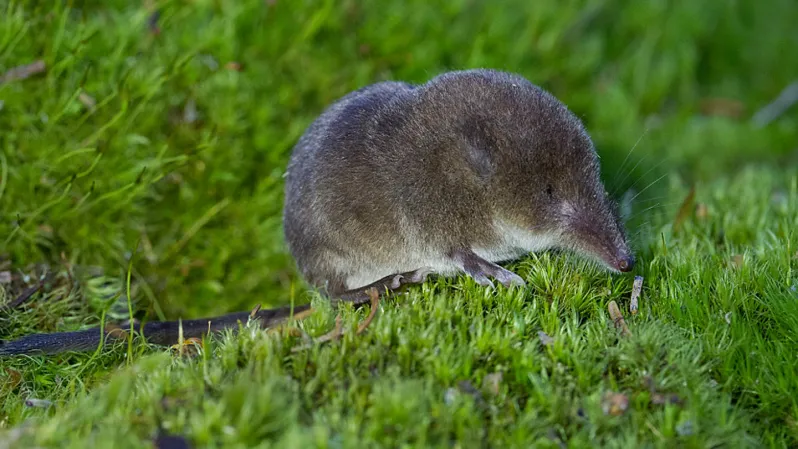
Adapting to Winter: Shrew Noses Grow as Brains Shrink.
A shrew's snout is not a fixed feature, and winter proves it. Long-clawed shrews temporarily grow larger noses as temperatures drop, a striking example of skull reshaping driven by survival needs. This adaptation suggests cold conditions demand extreme physiological flexibility, not just insulation. The finding adds a compelling layer to how small mammals endure seasonal stress, and it pairs well with our piece on fossilized feces revealing why certain dinosaurs survived extinction. Both point to survival as an active, physical negotiation with environment.
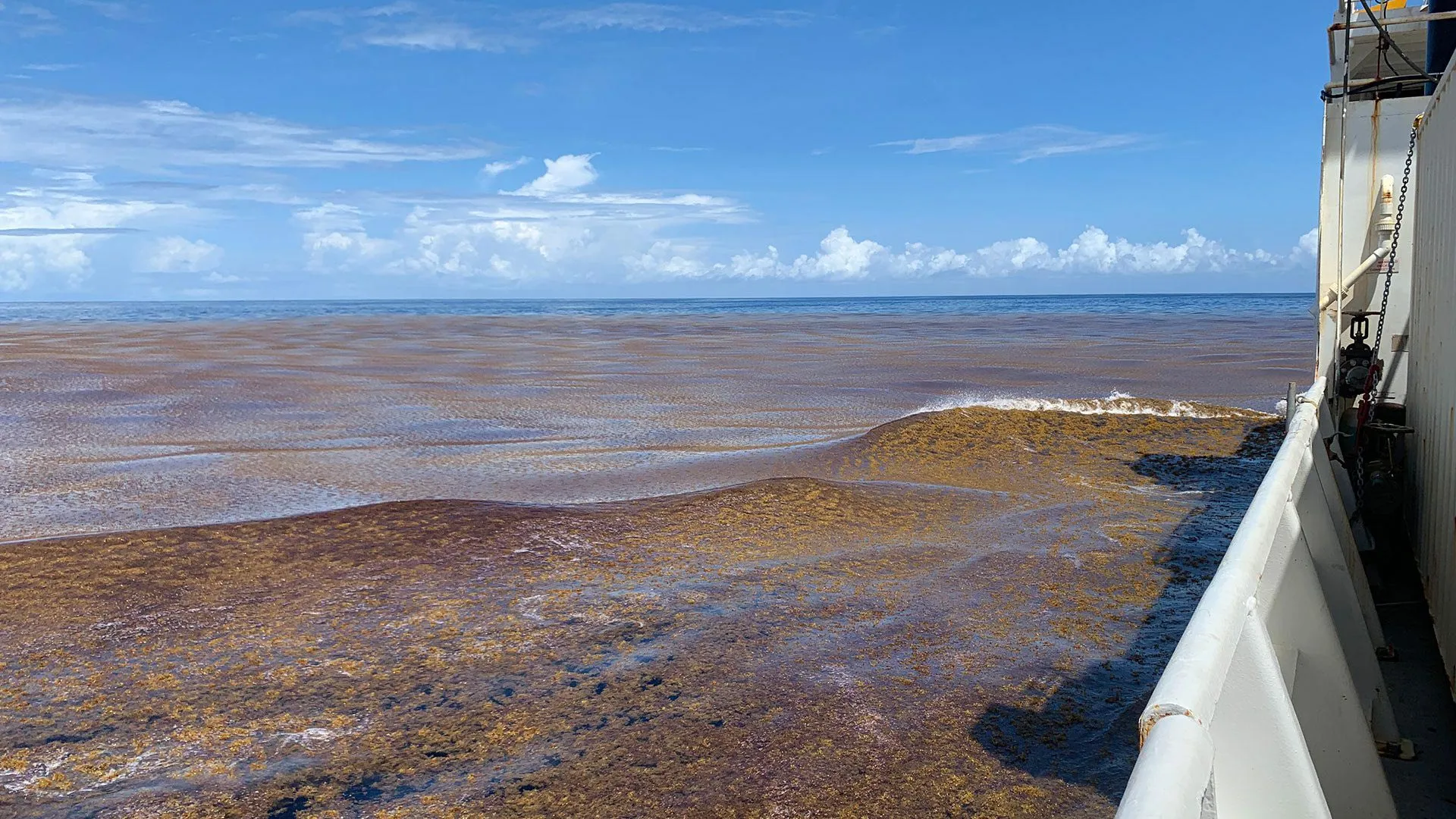
Ocean Algae Blooms Expand Globally, Revealed by AI Analysis
The ocean is changing in ways we can now measure. An AI analysis of 1.2 million satellite images reveals that floating algae blooms are expanding across the global ocean, and the implications are significant. These massive seaweed mats can reshape marine habitats, while their decay brings ecological damage and economic losses to coastlines. This is a clear signal that our ocean intelligence must improve. For a deeper understanding of the systems connecting our seas, see our coverage of the Atlantic Circulation Weakens.