physiology
World Data Ocean keeps physiology in one place: 7 stories so far. The section currently leads with “Do Fish Experience Cold, or Simply Temperature Change?”, “Extreme Thermophile Amoeba Expands Limits of Complex Life's Heat Tolerance”, and “Ocean Ingestion: Could a Whale Swallow a Diver Whole?”. A fish's world is not our world. A newly described extreme thermophile amoeba is redefining what we know about the limits of complex life. A Global Hub for Ocean Intelligence 4 World Data Ocean is a centralized digital platform where researchers, scientists, and ocean enthusiasts converge to… The list below is every physiology story on World Data Ocean, newest first.
Do Fish Experience Cold, or Simply Temperature Change?
A fish's world is not our world. When Ed Yong's *An Immense World* notes that most fish lack TRPM8 and can tolerate near-freezing water, it suggests they register temperature without the sting of cold we feel. That doesn't mean they lack preference; a betta's heater exists because warmth supports their biology, not necessarily their comfort. They are driven by metabolic necessity, not sensation.
Extreme Thermophile Amoeba Expands Limits of Complex Life's Heat Tolerance
A newly described extreme thermophile amoeba is redefining what we know about the limits of complex life. This organism thrives at temperatures that would be lethal to most eukaryotic cells, pushing the boundaries of our biological understanding. It is a compelling reminder that our ocean intelligence is far from complete. For more on how life adapts to extreme marine environments, see our related piece on Arctic sea ice melt season stabilization.

Ocean Ingestion: Could a Whale Swallow a Diver Whole?
A sperm whale's throat is large enough to swallow a human, but the mechanics of such an event are far from cinematic. The animal's esophagus is designed for squid, not scuba gear, and its instinct would be to reject anything unfamiliar. Understanding these biological limits sharpens our respect for ocean life. For more on how we track such creatures, explore "Integrated Subsea Cables Enhance Data Transmission Across the Indian Ocean." Curiosity and precision drive real ocean intelligence.
Ocean Depth Limits: How Far Can Surface Fish Really Swim?
A curious question from *Finding Nemo* touches on a real oceanographic principle: depth stratification. Surface-dwelling species like clownfish and blue tangs are adapted to specific pressure zones, and their swim bladders are calibrated for that environment. The anglerfish's domain, by contrast, demands physiological adaptations that these fish simply lack. It is a practical example of how marine life is partitioned by depth, a concept worth exploring further in our piece on integrated subsea cables, which highlights how we map these very ecosystems.

Investigating Unusual Eye Discoloration in Sea Lions: A Data-Driven Inquiry
Unusual eye discoloration in sea lions is rarely documented, yet this inquiry treats the anomaly as a data point rather than a curiosity. That is the right approach. By framing the observation within a structured, evidence-driven investigation, the work aligns with the kind of ocean intelligence that turns anecdote into measurable insight. It is a reminder that even subtle biological signals carry weight. For readers tracking similar patterns, our related piece on an unidentified specimen in Oahu waters offers another thread worth pulling.
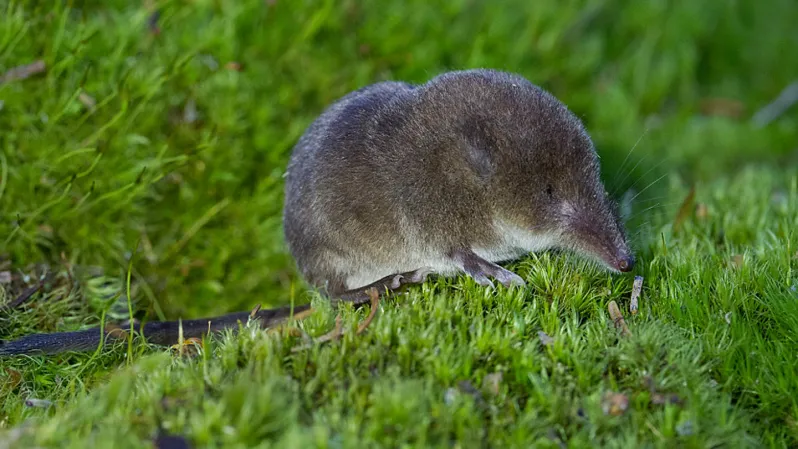
Adapting to Winter: Shrew Noses Grow as Brains Shrink.
A shrew's snout is not a fixed feature, and winter proves it. Long-clawed shrews temporarily grow larger noses as temperatures drop, a striking example of skull reshaping driven by survival needs. This adaptation suggests cold conditions demand extreme physiological flexibility, not just insulation. The finding adds a compelling layer to how small mammals endure seasonal stress, and it pairs well with our piece on fossilized feces revealing why certain dinosaurs survived extinction. Both point to survival as an active, physical negotiation with environment.
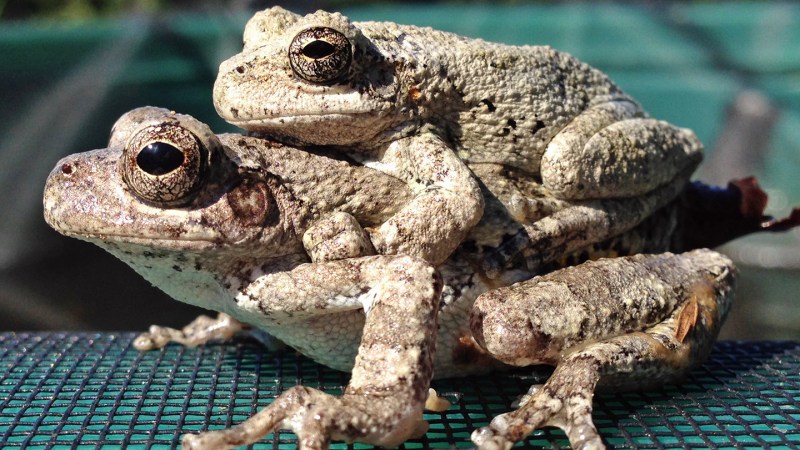
Mating Call Overload: Choice Paralysis Impacts Female Frog Selection
Choice overload is not a human quirk alone. In a controlled lab setting, female frogs became less likely to lock onto their preferred mate's call as the auditory competition intensified. That indecision, born from an overloaded soundscape, quietly hands an edge to less favored males. It is a measurable, peer-reviewed glimpse into how environmental noise reshapes decision-making. We see this as a compelling thread in a broader tapestry of sensory limits, much like our coverage of whether fish truly feel cold.