mammals
World Data Ocean keeps mammals in one place: 4 stories so far. The section currently leads with “Adapting to Winter: Shrew Noses Grow as Brains Shrink.”, “Mexico's Climate: A Pathway for Ancient Mammal Migration”, and “Rehabilitated Elephants Show Remarkable Behavioral Convergence with Wild Populations”. A shrew's snout is not a fixed feature, and winter proves it. The Isthmus of Panama is often framed as a barrier, but new findings suggest Mexico's climate may have turned it into a corridor for ancient mammals moving north to south. A Global Hub for Ocean Intelligence 4 World Data Ocean is a centralized digital platform where researchers, scientists, and ocean enthusiasts converge to… The list below is every mammals story on World Data Ocean, newest first.
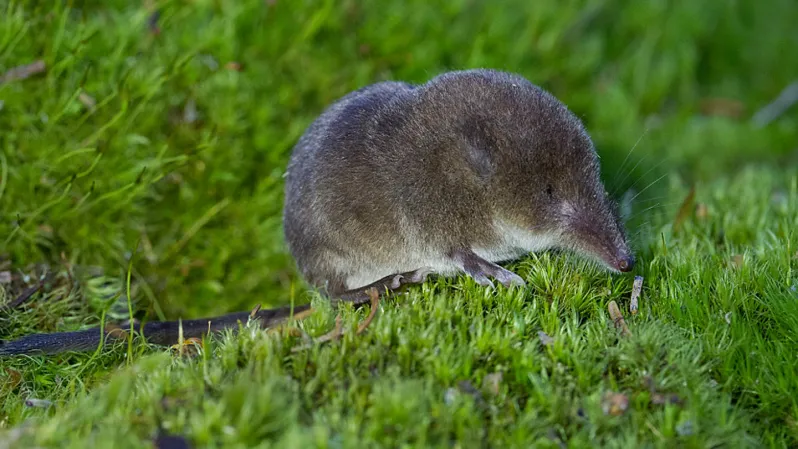
Adapting to Winter: Shrew Noses Grow as Brains Shrink.
A shrew's snout is not a fixed feature, and winter proves it. Long-clawed shrews temporarily grow larger noses as temperatures drop, a striking example of skull reshaping driven by survival needs. This adaptation suggests cold conditions demand extreme physiological flexibility, not just insulation. The finding adds a compelling layer to how small mammals endure seasonal stress, and it pairs well with our piece on fossilized feces revealing why certain dinosaurs survived extinction. Both point to survival as an active, physical negotiation with environment.
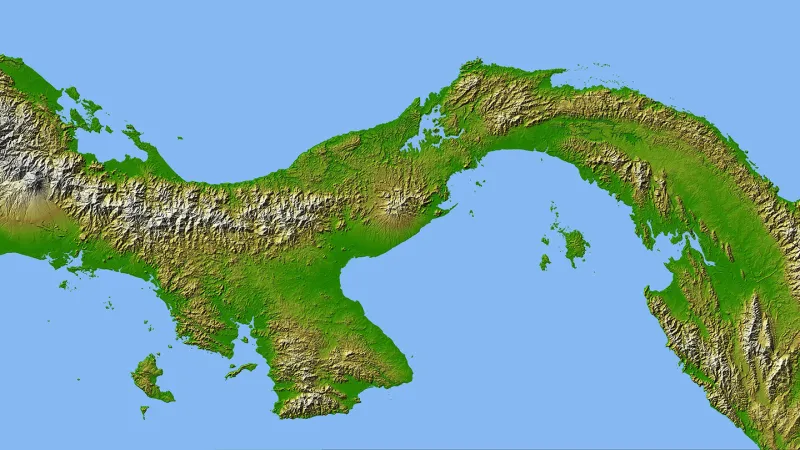
Mexico's Climate: A Pathway for Ancient Mammal Migration
The Isthmus of Panama is often framed as a barrier, but new findings suggest Mexico's climate may have turned it into a corridor for ancient mammals moving north to south. That distinction matters. It reframes a migration story we thought we understood, grounding it in measurable, empirical conditions rather than simple geography. For researchers tracking how species respond to shifting climates, this is a useful calibration of past patterns.
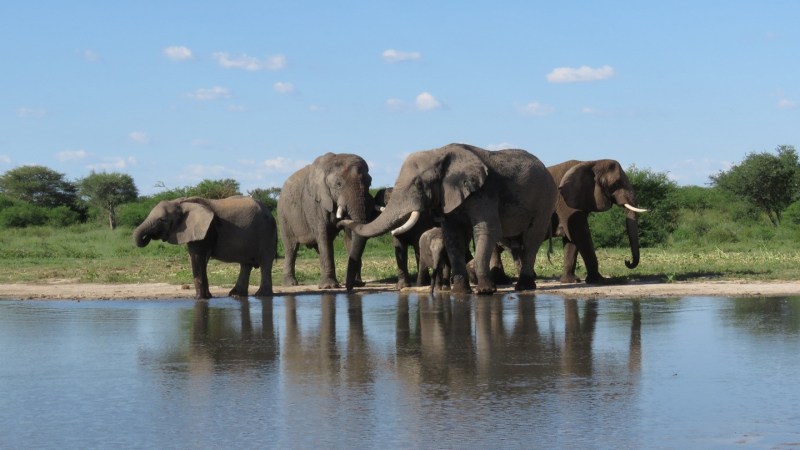
Rehabilitated Elephants Show Remarkable Behavioral Convergence with Wild Populations
Eleven rehabilitated elephants now move, forage, and socialize in patterns strikingly similar to their wild counterparts, according to new research. The findings suggest that structured care and gradual reintegration can preserve natural behaviors, a hopeful signal for conservation programs worldwide. This empirical alignment strengthens the case for science-led rewilding. For context on how environmental systems respond to pressure, readers may explore our related piece on Cascadia and San Andreas, which examines sequential earthquake risk. Understanding drives protection, and these elephants offer measurable proof of resilience.
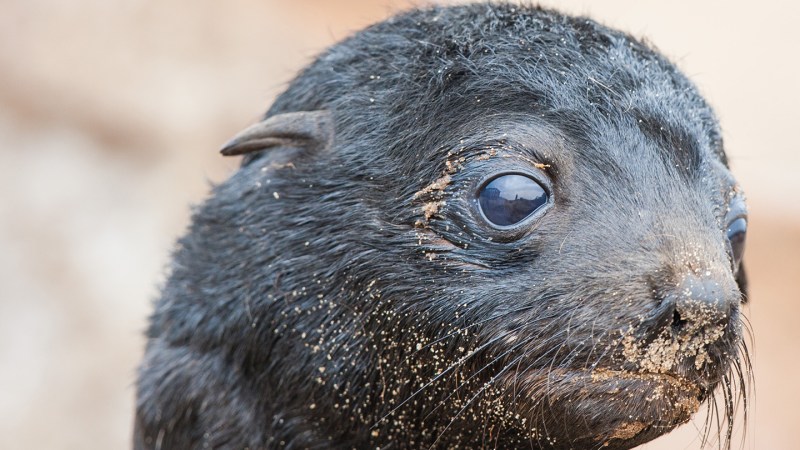
Evolutionary Scan Reveals Ancient Origins of Seals’ Dual Hearing
Pinnipeds hear with remarkable clarity in both air and water, a dual ability that evolved far earlier than previously understood. By scanning the ears of hundreds of marine mammals, researchers have traced this acoustic adaptability to ancient origins, revealing a sensory advantage that likely shaped their survival across changing environments. It is a precise, empirical reminder that evolution often works through subtle, measurable refinements.