morphology
World Data Ocean keeps morphology in one place: 5 stories so far. The section currently leads with “Blue Light's Impact on Biofilms: A Step Towards Greener Antifouling”, “Hawaii Nudibranch Identification: Community Collaboration for Ocean Intelligence”, and “Adapting to Winter: Shrew Noses Grow as Brains Shrink.”. Clean, precise measurements are the backbone of this work, and the data delivers a compelling distinction. A single photograph from a friend in Hawaii, and a few careful questions about its appearance, narrowed the search to a nudibranch. A Global Hub for Ocean Intelligence 4 World Data Ocean is a centralized digital platform where researchers, scientists, and ocean enthusiasts converge to… The list below is every morphology story on World Data Ocean, newest first.

Blue Light's Impact on Biofilms: A Step Towards Greener Antifouling
Clean, precise measurements are the backbone of this work, and the data delivers a compelling distinction. The 450 nm light cut total biofilm biomass by 20.9 percent, while 405 nm, though less effective at reducing mass, crushed vertical growth by over 77 percent. That divergence matters. It suggests we are not looking at a single solution, but a toolkit. By mapping these wavelength-specific strengths, this study pushes us toward targeted, chemical-free antifouling.

Hawaii Nudibranch Identification: Community Collaboration for Ocean Intelligence
A single photograph from a friend in Hawaii, and a few careful questions about its appearance, narrowed the search to a nudibranch. That is how ocean intelligence often begins: not with a lab, but with curiosity and a willingness to ask. Community-led identifications like this one build a shared foundation for understanding marine biodiversity. It is a small, precise step toward the larger goal of documenting what lives beneath the surface.
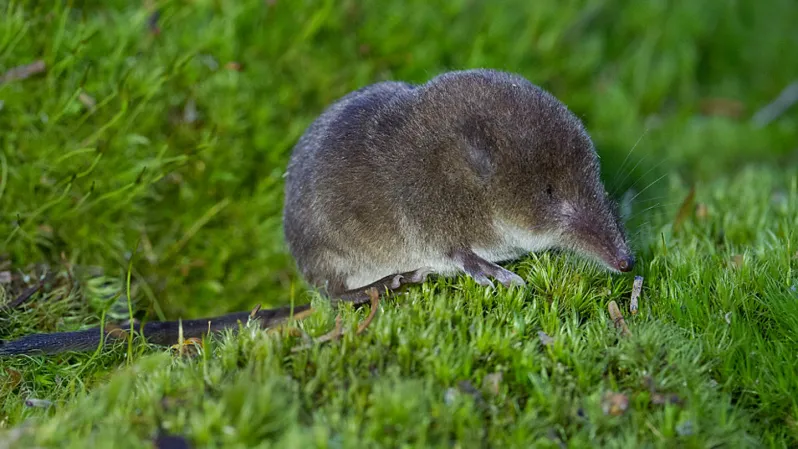
Adapting to Winter: Shrew Noses Grow as Brains Shrink.
A shrew's snout is not a fixed feature, and winter proves it. Long-clawed shrews temporarily grow larger noses as temperatures drop, a striking example of skull reshaping driven by survival needs. This adaptation suggests cold conditions demand extreme physiological flexibility, not just insulation. The finding adds a compelling layer to how small mammals endure seasonal stress, and it pairs well with our piece on fossilized feces revealing why certain dinosaurs survived extinction. Both point to survival as an active, physical negotiation with environment.

Leopard Shark Patterns: Variation or Life Stage Indicators?
Two leopard sharks glide through the same coastal waters, yet their skin tells two different stories. One displays bold, dark bands; the other shows a pattern of faint, scattered spots. For researchers, the question is whether these differences are simple variation or reliable indicators of age. This distinction matters for field identification and population studies. The variation we observe is real, but it does not obscure a clearer biological signal.

Tiny Puget Sound Brittle Star: An Unexpected Anatomical Feature.
A tiny brittle star, smaller than a lentil and pulled from 25 feet of water in Puget Sound, presents a question we find genuinely compelling: does it have an opening all the way through? The specimen's identity remains unknown, yet its potential anatomy is a reminder that even the smallest marine life can challenge our assumptions. Observations like this one echo the unexpected finds we explore in "Unexpected Chiton Discovery in Puerto Rico Challenges Species Distribution Models," reinforcing that patient observation fuels ocean intelligence.