winter
winter at World Data Ocean is a file of 2 stories. The newest of them: “Unidentified Skeleton on Puerto Rico Coast Stumps Local Experts” and “Adapting to Winter: Shrew Noses Grow as Brains Shrink.”. An eight-inch skull and vertebrae nearly the size of your palm, pulled from the same stretch of Puerto Rico's west coast, have left even the pros guessing. A shrew's snout is not a fixed feature, and winter proves it. A Global Hub for Ocean Intelligence 4 World Data Ocean is a centralized digital platform where researchers, scientists, and ocean enthusiasts converge to… The list below is every winter story on World Data Ocean, newest first.

Unidentified Skeleton on Puerto Rico Coast Stumps Local Experts
An eight-inch skull and vertebrae nearly the size of your palm, pulled from the same stretch of Puerto Rico's west coast, have left even the pros guessing. The fishermen on the beach were stumped. So was the NOAA contact who saw the photos. Google's image search suggests a drum fish, but the Caribbean species we know run small. This was dense, heavy, and undeniably out of place. Sometimes the ocean reminds us how much remains unmeasured.
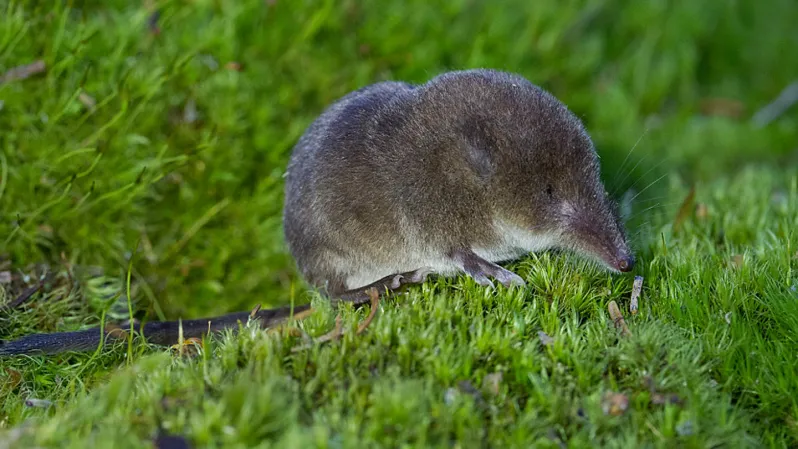
Adapting to Winter: Shrew Noses Grow as Brains Shrink.
A shrew's snout is not a fixed feature, and winter proves it. Long-clawed shrews temporarily grow larger noses as temperatures drop, a striking example of skull reshaping driven by survival needs. This adaptation suggests cold conditions demand extreme physiological flexibility, not just insulation. The finding adds a compelling layer to how small mammals endure seasonal stress, and it pairs well with our piece on fossilized feces revealing why certain dinosaurs survived extinction. Both point to survival as an active, physical negotiation with environment.