deep sea mining
deep sea mining at World Data Ocean is a file of 7 stories. The newest of them: “13 Pacific deep-sea reserves could connect into a unified network”, “Seabed lease auction opens new frontier for ocean exploration”, and “US Seabed Mineral Rights Auction Opens New Frontier for Ocean Intelligence”. Thirteen deep-sea reserves across the Pacific could be woven into a single, unified network, a move that transforms isolated protections into a connected system. A seabed lease auction is opening a new frontier for ocean exploration, and the implications are as deep as the waters themselves. A Global Hub for Ocean Intelligence 4 World Data Ocean is a centralized digital platform where researchers, scientists, and ocean enthusiasts converge to… The list below is every deep sea mining story on World Data Ocean, newest first.
13 Pacific deep-sea reserves could connect into a unified network
Thirteen deep-sea reserves across the Pacific could be woven into a single, unified network, a move that transforms isolated protections into a connected system. This is not just about drawing lines on a map; it is about building integrated ocean intelligence at scale. The study, published in *Nature Ecology and Evolution*, offers a validated, measurable path forward. For more on how harmonized data strengthens marine governance, see our coverage of "Harmonizing data to strengthen small-scale fisheries across the Western Indian Ocean."

Seabed lease auction opens new frontier for ocean exploration
A seabed lease auction is opening a new frontier for ocean exploration, and the implications are as deep as the waters themselves. This measured step toward mapping and managing the seafloor aligns with our mission to build an integrated data ecosystem for ocean intelligence. Understanding drives protection. For those tracking marine life mysteries, our related coverage of cuttlebone bite marks pointing to a shark encounter in NSW waters offers another piece of the puzzle.
US Seabed Mineral Rights Auction Opens New Frontier for Ocean Intelligence
The U.S. seabed mineral rights auction isn't just about extraction, it's a new channel for ocean intelligence. Each lease area becomes a node in an integrated data ecosystem, generating empirical, real-time climate indicators from the seafloor up. This measured expansion of commercial access demands calibrated oversight, but the potential for validated, longitudinal data is undeniable. For deeper context on mapping these frontiers, see our coverage of "From seabed to surface, ocean floor mapping coverage now reaches 15 percent." Understanding drives protection.
Deep seabed mining lease sale opens near American Samoa waters
A proposed deep seabed mining lease sale near American Samoa opens a new chapter in ocean resource governance. The waters hold valuable minerals, but extraction carries real, measurable risks to fragile ecosystems. This decision demands validated, peer-reviewed science to guide policy. For a broader perspective on marine stewardship, readers may explore our related piece on the WTO's fisheries subsidies agreement, which outlines a calibrated framework for balancing use with protection.
The 25-Day Countdown to Shape Deep Sea Mining's Future
Twenty-five days remain for public comment on The Metal Company's deep sea mining application, yet only 228 submissions have landed. That number stands in stark contrast to previous notice periods, where online campaigns generated thousands of responses. The silence is puzzling, especially given the surge of TikTok awareness earlier. One wonders if the urgency faded or if the conversation simply migrated. For those seeking deeper context, our related piece on verifying historical deep-sea claims offers a useful parallel.
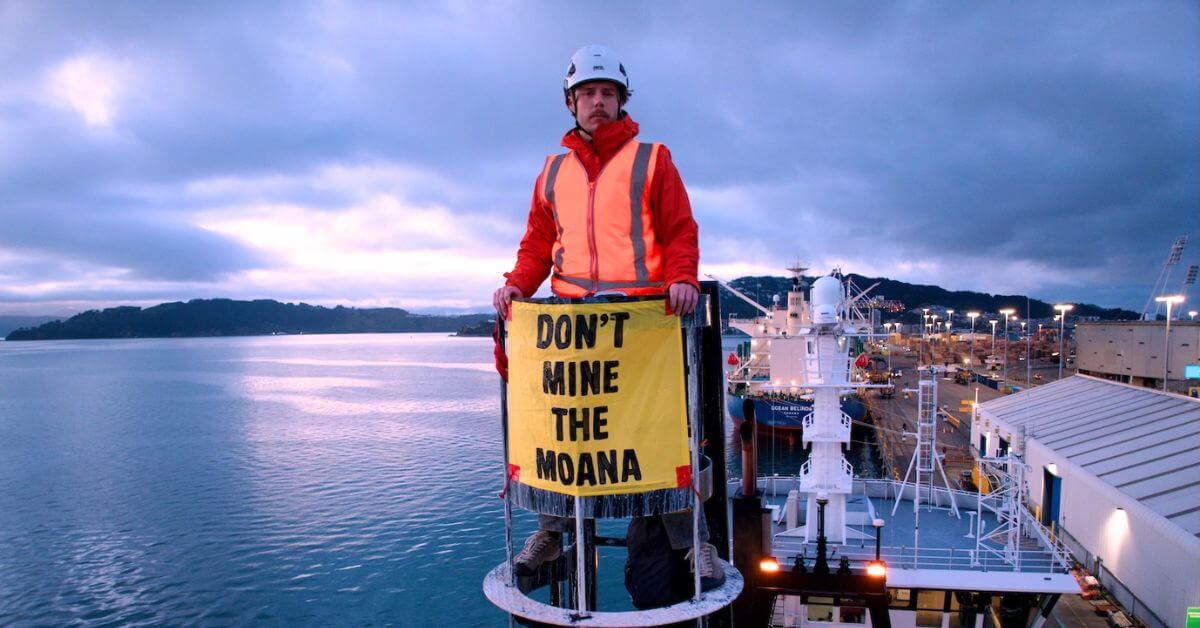
Shipboard protest follows Pacific mineral survey amid seabed mining debate
A government-owned research vessel returns from a Pacific mineral survey to find Greenpeace activists waiting on its deck. The protest sharpens a global debate: who owns the seabed, and at what cost to the ocean? Validated science must underpin these decisions, not corporate urgency or alarmist rhetoric. For deeper context on maritime tensions and resource disputes, see our coverage of the Mediterranean oil spill modeling upgrades. Understanding drives protection, and the Pacific's future depends on the integrity of the data we collect now.

Deep-Sea Mining Governance: Charting a Course for the Clarion-Clipperton Zone
The Clarion-Clipperton Zone's environmental management plan is embedded in International Seabed Authority decision-making, yet it shapes approval more than operations. That distinction matters. A plan that guides whether mining is permitted, but not how it proceeds, leaves a critical gap in contractor accountability. The analysis points to three transmission interfaces where regional goals must meet contractor obligations, ecological evidence must meet spatial allocation, and monitoring must meet authorized action. These are not abstract ideals. They are the practical conditions for any REMP to work.