Russian Navy Warship Fires Flares At Danish Military Helicopter In Baltic Sea
Our take
The recent incident in the Baltic Sea, where a Russian Navy warship fired flares at a Danish military helicopter, represents a concerning escalation of tensions in a strategically vital waterway. Such actions, unequivocally condemned by the European Union as "reckless and dangerous," highlight a pattern of increasingly assertive and, frankly, destabilizing behavior from the Russian Federation. The incident underscores the potential for miscalculation and accidental conflict in a region already fraught with geopolitical complexity. We've observed similar displays of aggressive tactics in other maritime theaters; for instance, the [World’s First Naval Drone Battle Unfolds Between Russia & Ukraine In Black Sea], demonstrating a willingness to experiment with and deploy novel weaponry in ways that disregard established norms of maritime conduct. Moreover, the ongoing implications of historical maritime incidents, such as [This German submarine sank in 1917. It’s still leaking TNT], serve as a stark reminder of the long-term environmental and strategic consequences of naval operations and conflict. The Baltic Sea, with its intricate network of shipping lanes and proximity to multiple NATO member states, demands careful and calibrated responses to maintain regional stability.
The use of flares, while seemingly a less lethal form of intimidation, carries significant risks. Beyond the immediate danger posed to the helicopter and its crew, the debris field created by the flares can disrupt maritime traffic and potentially damage sensitive navigational equipment. This incident should be viewed within the context of Russia's broader military posture, which includes increased naval presence and activity in the Baltic and Black Seas. This activity directly impacts the operational environment for allied forces and demands enhanced vigilance. The investment in advanced naval capabilities, as evidenced by the [U.S. Navy Signs $336 Million Contract With HII For 100,000 Ton Future Aircraft Carrier], reflects the evolving nature of naval warfare and the need for robust defensive measures to counter potential threats. The Baltic Sea’s shallow waters and complex coastal geography further complicate the situation, creating opportunities for asymmetric warfare and increasing the risk of unintended clashes.
The broader significance of this incident extends beyond the immediate Baltic Sea region. It contributes to a growing climate of distrust and uncertainty in international relations, particularly between Russia and the West. The lack of transparency surrounding the Russian warship’s actions and the absence of a clear explanation only exacerbate these concerns. International maritime law provides a framework for safe and predictable interactions at sea, but its effectiveness hinges on the willingness of all parties to adhere to its principles. This event raises serious questions about Russia’s commitment to upholding those principles and its respect for the safety and security of other nations' military assets. The incident also underscores the need for improved communication and de-escalation protocols between naval forces operating in contested areas. The potential for misinterpreting signals or actions, even those intended as displays of force, remains a constant threat.
Looking ahead, the incident demands a renewed focus on maritime domain awareness and enhanced cooperation among NATO allies. Real-time data sharing and integrated ocean intelligence, a core tenet of World Data Ocean's mission, become increasingly critical in such volatile environments. Understanding the motivations behind Russia’s actions, and anticipating potential future provocations, will require a comprehensive analysis of its naval capabilities, operational patterns, and strategic objectives. The question remains: will this incident serve as a catalyst for greater diplomatic engagement and a commitment to de-escalation, or will it contribute to a further deterioration of relations and an increased risk of conflict in the Baltic Sea and beyond?
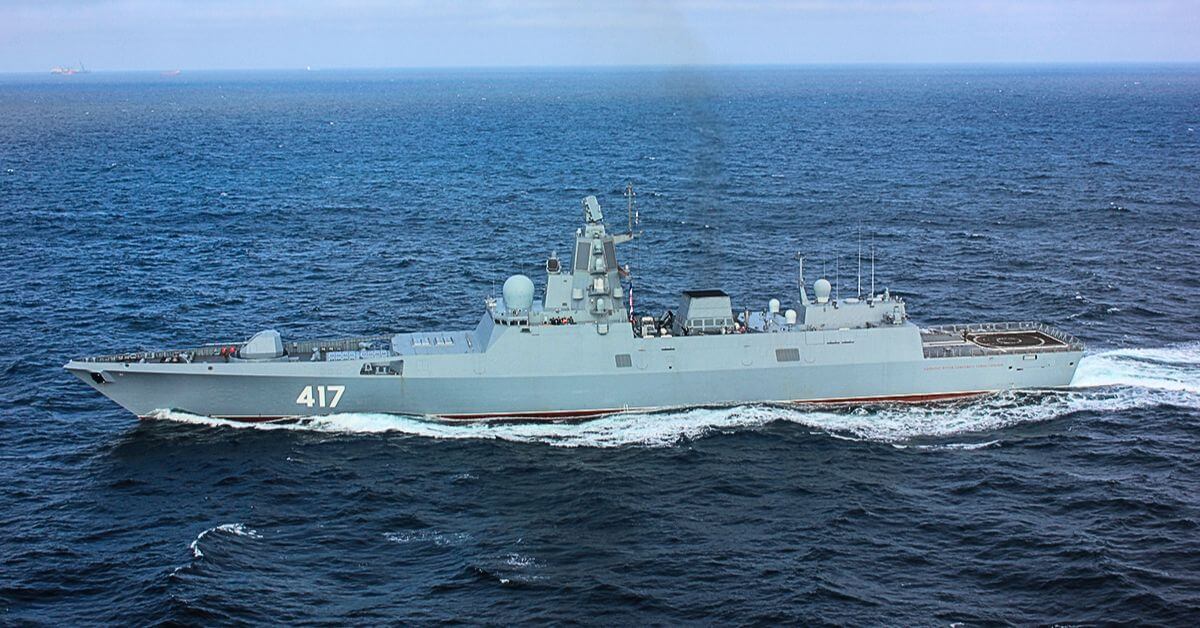
A Russian frigate fired two flares towards a Danish military helicopter in the Baltic Sea, with one passing just metres from the aircraft, Denmark’s armed forces said on Tuesday.
The Danish Fennec helicopter was taking photographs of the Russian frigate in international waters off Gedser, Denmark’s southernmost town, on Monday, Sept. 14.
Denmark said the helicopter was carrying out a routine operation and was following standard procedures.
The European Union also condemned the flare firing, calling it “reckless and dangerous” Russian behaviour.
Tensions remain high around NATO’s eastern flank because of Russia’s war in Ukraine.
Lithuania said NATO fighter jets had shot down a drone after it entered Lithuanian airspace. Poland also scrambled fighter jets during Russian attacks on Ukraine.
Denmark’s military said the Russian frigate fired two flares towards the helicopter. One of them passed close to the aircraft.
Danish Defence Minister Jeppe Bruus said there had been no warning or radio contact before the flares were fired. He said they came within “a matter of metres” of the helicopter.
Bruus said the helicopter had been following normal procedures while photographing the Russian vessel. He said Danish aircraft had carried out similar operations “many times” before.
No one was injured.
Danish Foreign Minister Lars Løkke Rasmussen called the incident “completely unacceptable” and said it could have put lives at risk. He said Denmark had summoned Russian Ambassador Vladimir Barbin.
Prime Minister Mette Frederiksen also criticised the incident, calling it “reckless action from Russia towards Danish military”.
Russia Blames Danish Helicopter
Russia rejected Denmark’s account of what happened.
Barbin said the Danish helicopter had carried out “provocative actions” against the Russian frigate.
He said it was not the first time Danish Air Force helicopters had carried out what he called “dangerous manoeuvres near Russian warships” outside Denmark’s territorial waters.
Barbin also said he had complained last year about “dangerous flyovers and low-altitude hovering” by a Danish Air Force helicopter over an anti-submarine vessel.
Denmark said its actions had been completely legal.
Rasmussen said that did not give Russia “any kind of alibi to start firing at us, even if it’s only with flares”.
Security tensions around the Baltic Sea have increased since Russia launched its full-scale invasion of Ukraine in 2022.
The Danish straits are the main route in and out of the Baltic Sea for commercial and military shipping.
Denmark, a NATO member and supporter of Ukraine, said last year that unidentified drones had flown over several Danish airports and an air base where Ukrainian pilots were being trained on F-16 fighter jets.
The flights began just days after Denmark announced plans to acquire long-range precision weapons for the first time. Denmark said the decision was linked to the threat from Russia.
European Commission President Ursula von der Leyen condemned the incidents in Denmark and Lithuania.
References: NDTV, The Guardian
Read on the original site
Open the publisher's page for the full experience