Baltic Sea
World Data Ocean keeps Baltic Sea in one place: 15 stories so far. The section currently leads with “Mapping the seafloor to illuminate the global internet's hidden architecture”, “Winter 2025/2026 Baltic Sea depression reveals atmospheric forcing on ocean volume”, and “Baltic Allies Validate Uncrewed Target Engagement in Gulf of Bothnia Exercise”. Beneath the waves lies the hidden architecture of the global internet. A basin-wide sea-level depression of approximately −60 cm hit the Baltic Sea in February 2026, driven by persistent high pressure and easterly winds that forced a massive outflow. A Global Hub for Ocean Intelligence 4 World Data Ocean is a centralized digital platform where researchers, scientists, and ocean enthusiasts converge to… The list below is every Baltic Sea story on World Data Ocean, newest first.
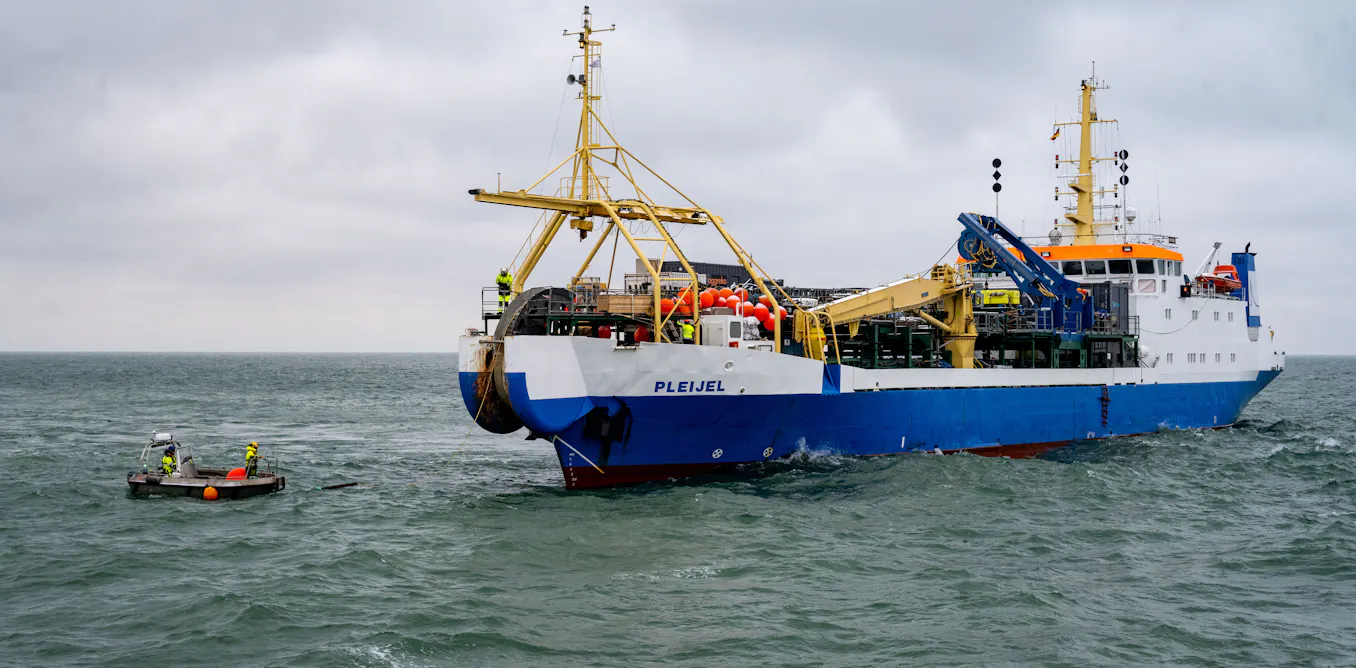
Mapping the seafloor to illuminate the global internet's hidden architecture
Beneath the waves lies the hidden architecture of the global internet. That email from New York reaches Sydney in seconds because of a sprawling web of undersea cables, a feat of engineering most never consider. These cables are the quiet backbone of instant global communications. Understanding this infrastructure is the first step toward protecting it. For more on how data can heal our oceans, see our related coverage, "Data-driven insights unlock measurable pathways to ocean restoration."

Winter 2025/2026 Baltic Sea depression reveals atmospheric forcing on ocean volume
A basin-wide sea-level depression of approximately −60 cm hit the Baltic Sea in February 2026, driven by persistent high pressure and easterly winds that forced a massive outflow. The volume anomaly reached −290 km³ before recovering 76% of that loss by April. This is not merely an oceanographic curiosity; it is a measurable climate indicator. For deeper context on 2025's warming trends, see our related coverage of "2025 joins the warmest years on record as ocean heat persists without pause."
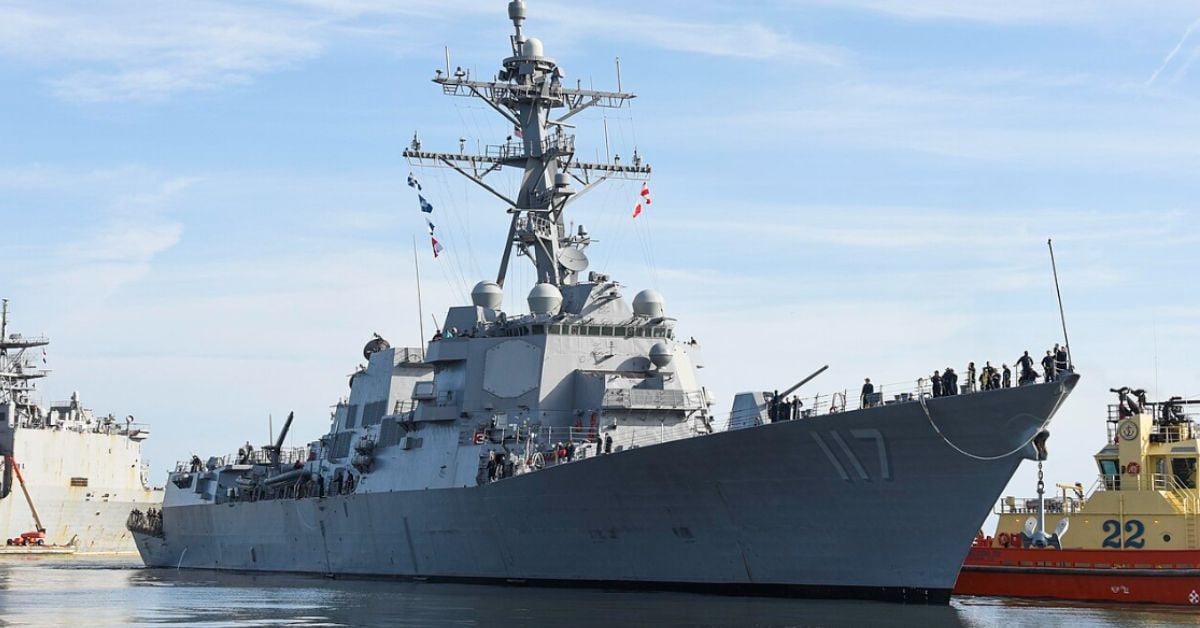
Baltic Allies Validate Uncrewed Target Engagement in Gulf of Bothnia Exercise
A U.S. Navy destroyer's participation in a joint exercise with Swedish and Finnish personnel in the Gulf of Bothnia is a measurable demonstration of integrated allied capability. Validating uncrewed target engagement in these waters sharpens the empirical data needed for coordinated maritime defense. Understanding drives protection. For deeper context on allied naval posture, see our coverage of *HMS Dragon's return narrowing Royal Navy presence in the Gulf*.
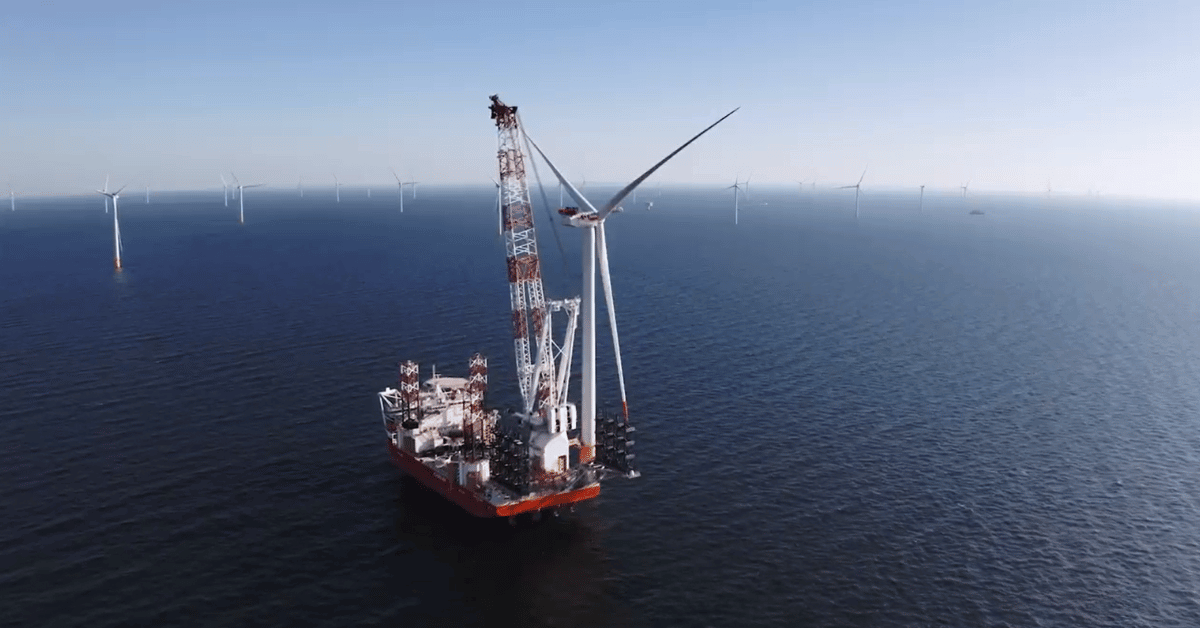
76 Turbines Stand in Baltic Sea as Poland's Offshore Wind Takes Shape
Seventy-six turbines now stand in the Baltic Sea, and Poland's offshore wind sector has crossed a threshold that took years to reach. Cadeler's completion of installation at the 1.2 GW Baltic Power farm signals measurable progress, not just in megawatts, but in the integrated data ecosystems that will monitor these waters for decades. This is empirical momentum, the kind that makes energy transition tangible. For deeper context on how subsea operations validate such builds, see our piece on the wind-powered data center calibrated at sea.
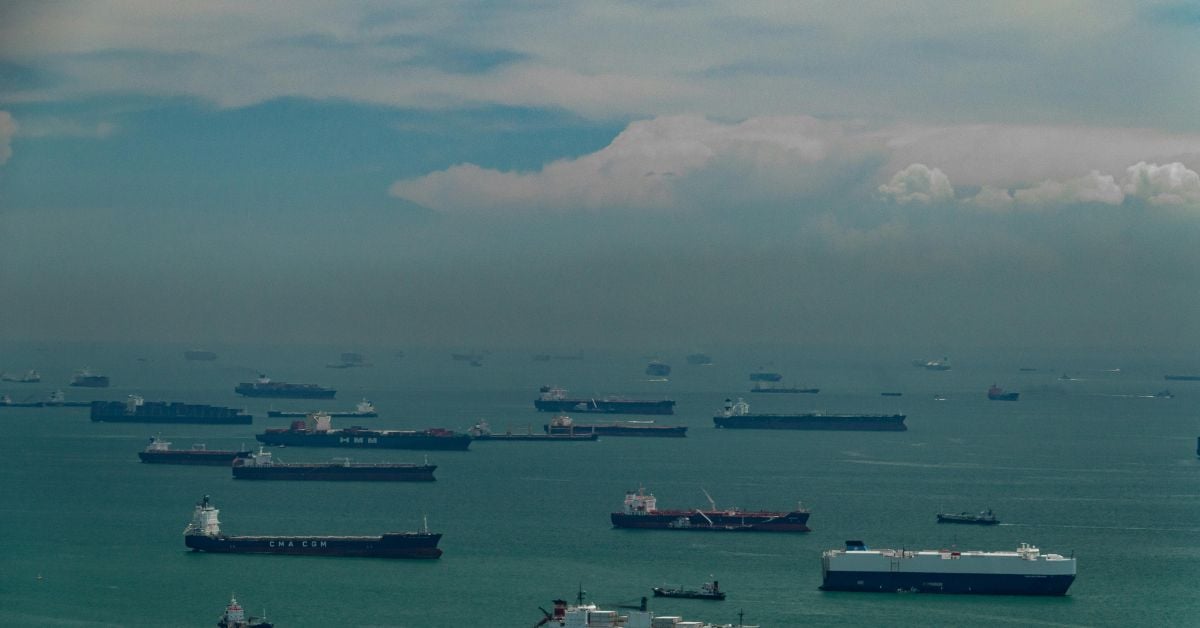
150 vessels idle in Gulf of Finland as Baltic maritime traffic bottlenecks
Nearly 150 vessels sit idle in the Gulf of Finland, a maritime bottleneck gripping Baltic traffic to Russian ports such as Ust-Luga, Primorsk, and St Petersburg. This congestion is more than a logistical snag, it is a measurable disruption in a region already under scrutiny. Such real-time bottlenecks carry empirical weight as climate and geopolitical indicators. For deeper context on maritime security, see our coverage of the captain charged over Ukrainian grain. Understanding these pressures drives protection of both trade and ocean intelligence.

Unexpected Sea Hare Appears in Mediterranean Aquarium Ecosystem
A sea hare appearing uninvited in a Mediterranean aquarium is the kind of event that turns a routine ecosystem into a quiet mystery. This one surfaced yesterday, with no clear origin story. The tank mixes Balearic and northern Adriatic species, while the *Fucus vesiculosus* came from the Baltic, kept isolated long enough to rule it out as a hitchhiker. Identification matters here, though the immediate question is simpler: how long has this herbivore been grazing unnoticed?
Long-Lasting Baltic Storm Surge Highlights Coastal Vulnerability in 2009
In October 2009, the Wimar storm surge pinned the southern Baltic coast under an unusually prolonged NE wind event, driving water levels 2.5 m above mean sea level. The result was extensive inundation and a mean dune retreat of 3.3 m, with maximum erosion reaching 8 m. This study shows that beaches sitting lower than the run-up level offered little defence. The lesson is clear: duration matters as much as intensity.
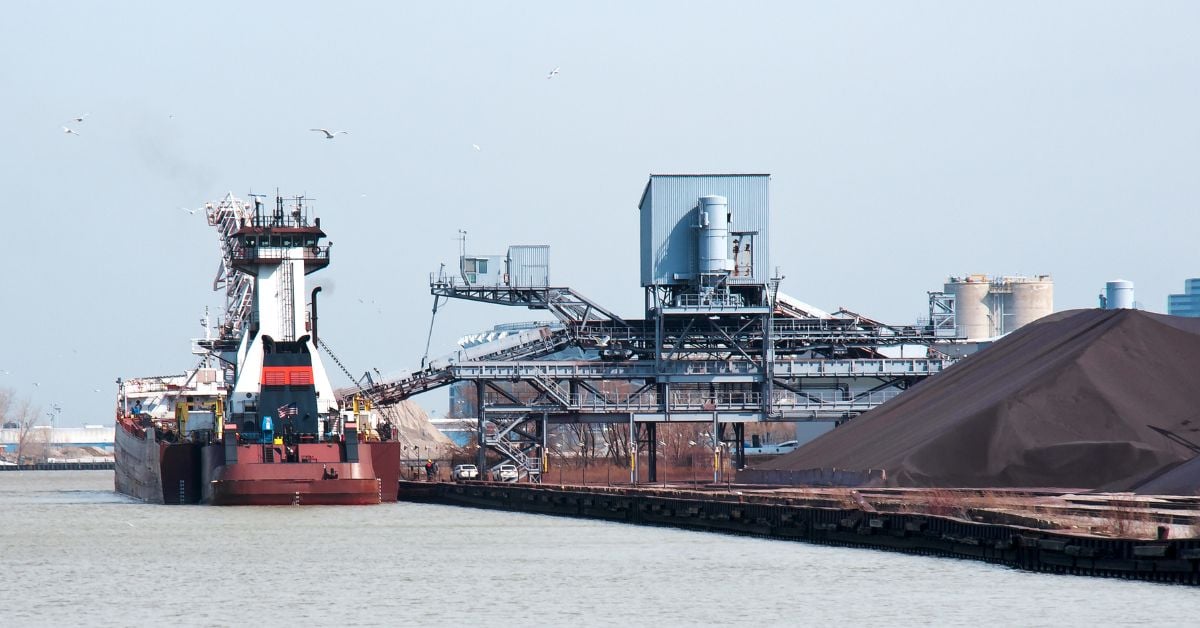
Shifting Cargo: Russian Terminals Adapt for Grain Export Surge
The Baltic and Arctic terminals that once moved fertiliser and coal are now turning to grain, a pragmatic response to shifting export demands. It is a quiet recalibration of infrastructure, and one that speaks to how quickly trade flows can redirect. Russia is adapting its logistics to stay competitive, and that flexibility is worth watching. For broader context on how export routes are evolving, our piece on Russia Calibrates Export Revenue for the Northern Sea Route Icebreaker Fleet offers a useful parallel.
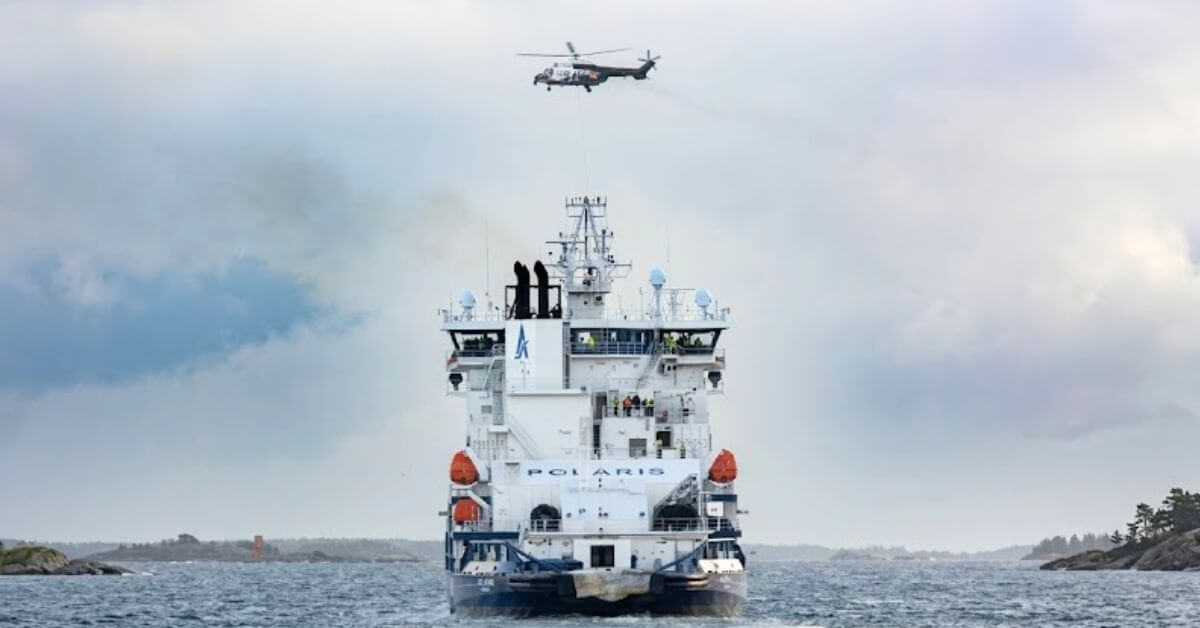
Protecting Baltic Cables: Finland Enhances Response to Underwater Infrastructure Threats
Finland's response to suspected underwater infrastructure damage is tightening, and rightly so. The incidents involving Baltic cables have pushed officials to sharpen their procedures for assessing vessels that may pose a threat. This is measured, practical progress. Protecting the data routes that carry nearly all transoceanic traffic is not optional. For readers tracking related risks, our coverage of the bulk carrier grounding near Gladstone offers another reminder of how vulnerable maritime chokepoints remain.
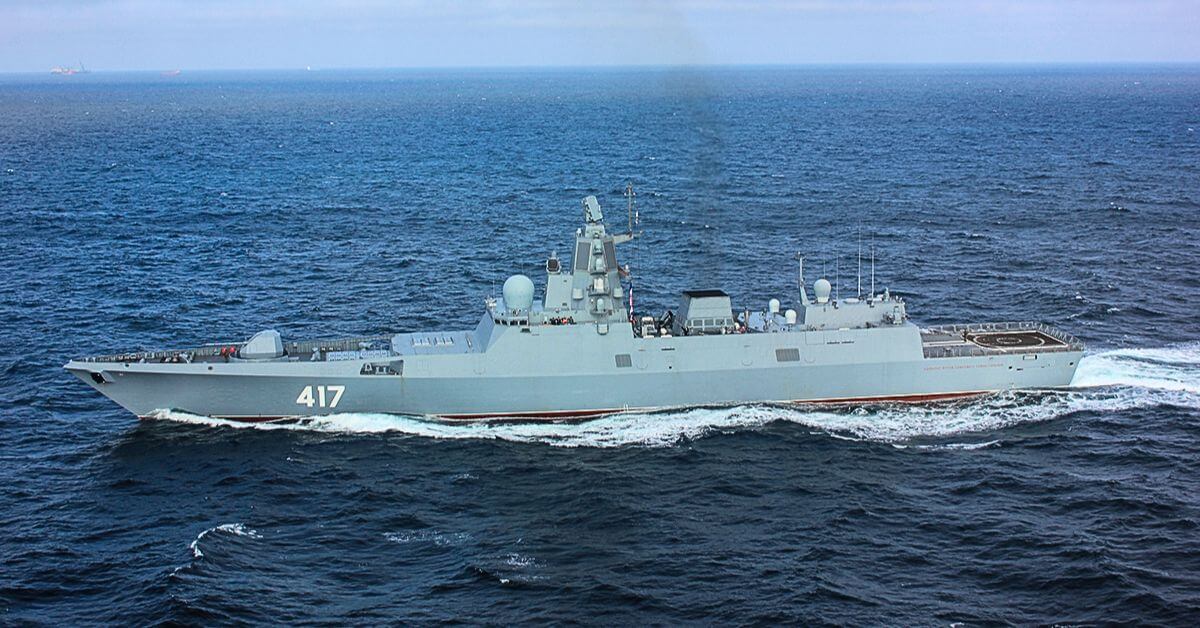
Baltic Sea Incident: Russian Warship’s Flares Prompt International Concern
The Baltic Sea's status as a corridor of strategic tension sharpened this week after a Russian warship fired flares, a move the European Union swiftly labeled "reckless and dangerous." The incident underscores how routine naval operations can escalate into international incidents with little warning. Such provocation demands measured, empirical scrutiny rather than alarm. For context on Moscow's broader maritime ambitions, our related coverage on Russia's icebreaker export revenue scheme offers useful grounding.
Rising Porpoise Sounds Signal Baltic Sea Population Shift
Acoustic monitoring has detected a measurable rise in porpoise vocalizations across the Baltic, signaling a population shift we cannot ignore. These calibrated, real-time data points offer empirical evidence of changing marine behavior, a clear climate indicator demanding our attention. Understanding drives protection. For deeper context on how such ocean intelligence informs career pathways in marine science, see our related piece, "Navigating a Marine Studies BA: Pathways to a Marine Biology Career."

Escorted LNG Transit Highlights Arctic Shipping and Geopolitical Shifts
The Northern Sea Route is no longer a theoretical exercise in Arctic logistics. The Russian frigate Admiral Kasatonov's escort of the LNG carrier Portovyy, fresh from Gazprom's Portovaya plant, is a concrete demonstration of how energy transit and naval power now move in lockstep. This is not alarmism; it is the calibrated reality of a changing map. The escort signals that Arctic shipping lanes are becoming strategic chokepoints, not just weather-dependent shortcuts.

Arctic Submarine Collaboration Expands: Germany, Norway, and Canada Unite.
Four days of talks in Kiel brought Germany, Norway, and Canada alongside TKMS, Kongsberg, and Multiconsult, signaling a deliberate step toward shared submarine capability. This is not merely procurement; it is the architecture of deterrence taking shape in Arctic waters. The collaboration reflects a practical recognition that no single nation patrols these expanses alone. For readers tracking Russia's icebreaker ambitions, including its calibrated export revenue scheme, this trilateral move adds a measured counterweight. We will follow how these industrial partnerships translate into operational reality.

Caffa Transfer to Ukraine Confirmed: Swedish Court Ruling in Grain Case
A Swedish court has confirmed the transfer of the Caffa to Ukraine, ending the vessel's detention by authorities in March 2026. The 96-metre general cargo ship, with a deadweight capacity of 4,337 tonnes, now moves under Ukrainian control following a ruling in a grain-related case. The decision is a measured legal step, one that underscores how maritime disputes intersect with broader geopolitical realities. For context on regional port disruptions, see our coverage of strikes targeting vessels and infrastructure.

Replica Ship Owners Feel Overlooked After ‘Odyssey’ Film Shoot
The Swedish owners of the Viking ship replica used in Hollywood's *The Odyssey* say they feel forgotten, a quiet coda to what should have been a triumph. Their vessel carried cinematic weight, yet the spotlight has moved on, leaving them in the shallows. It is a familiar ache in the world of ocean work, where the story's surface often outlasts its substance. For deeper context on how maritime narratives linger, our coverage of the He Dreiht wind farm offers a grounding counterpoint.