international waters
World Data Ocean keeps international waters in one place: 12 stories so far. The section currently leads with “Mediterranean tragedy claims two lives as migrant vessel sinks off Tunisia”, “New Zealand Vessels Traverse Taiwan Strait En Route to Philippines Exercise”, and “Chinese Research Vessels Operate Near Alaskan Coast, Raising Security Concerns”. Two bodies recovered. Two New Zealand naval vessels transited the Taiwan Strait on Sept. A Global Hub for Ocean Intelligence 4 World Data Ocean is a centralized digital platform where researchers, scientists, and ocean enthusiasts converge to… The list below is every international waters story on World Data Ocean, newest first.
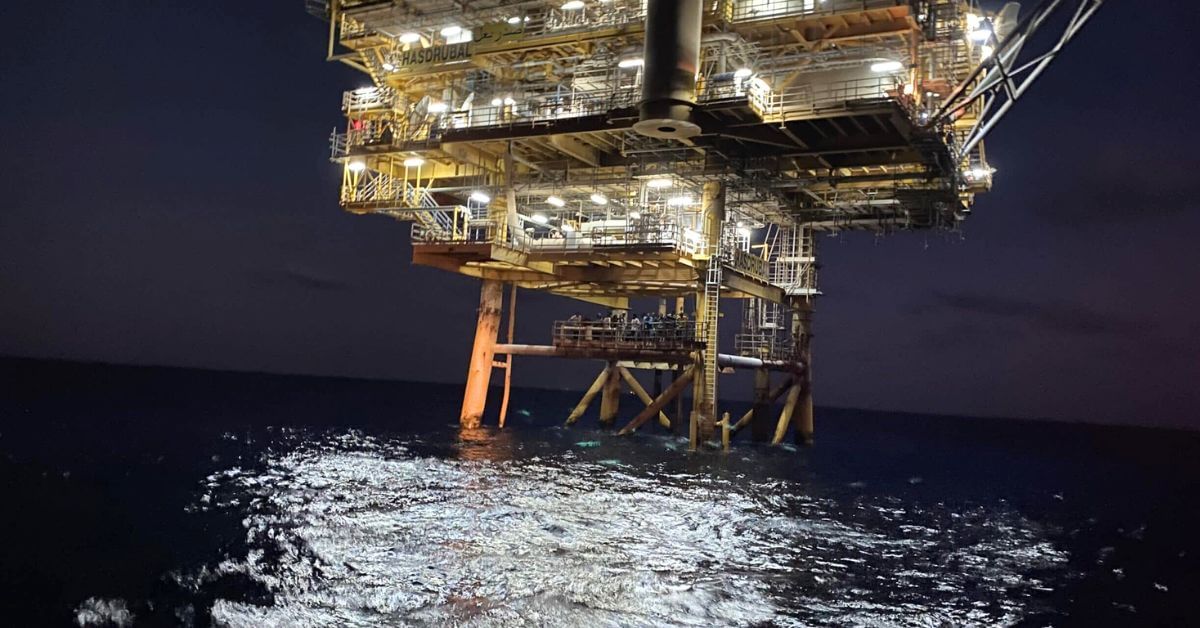
Mediterranean tragedy claims two lives as migrant vessel sinks off Tunisia
Two bodies recovered. Twenty-eight rescued. A migrant vessel has sunk off Tunisia, and the Mediterranean has claimed two more lives. Sea-Watch pulled survivors from the water, but the tragedy underscores a grim, repeating pattern: migration routes remain lethal, and the sea keeps no secrets. We track these losses because data without action is just noise. For deeper context on maritime disasters, see our coverage of the *June Aster* ferry fire, another preventable catastrophe demanding accountability.
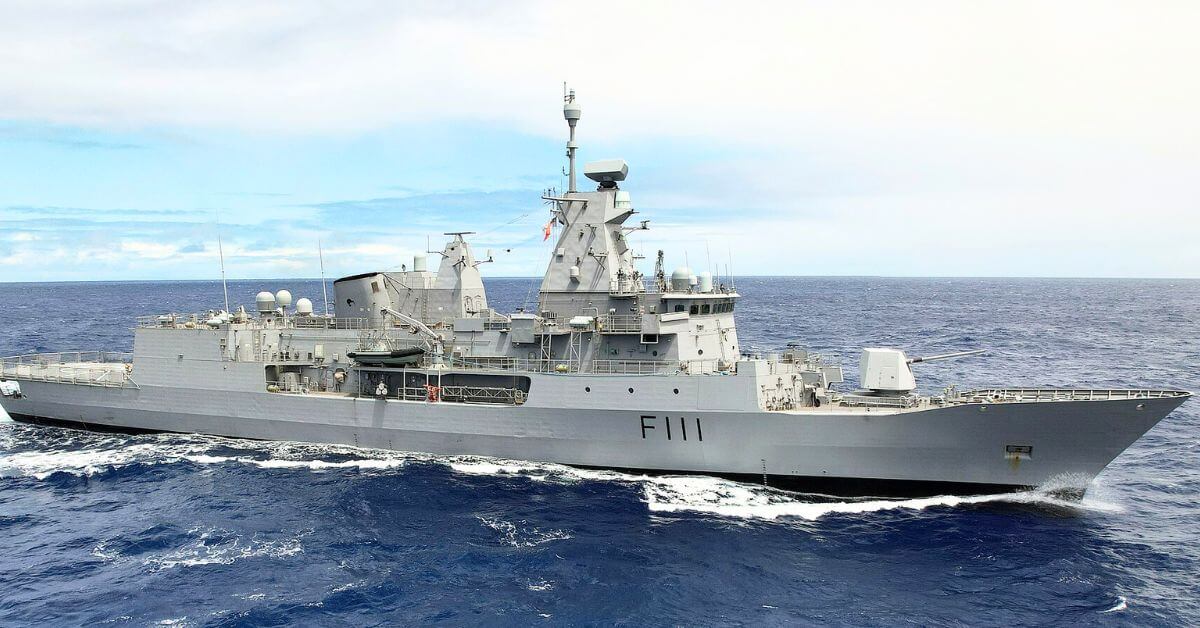
New Zealand Vessels Traverse Taiwan Strait En Route to Philippines Exercise
Two New Zealand naval vessels transited the Taiwan Strait on Sept. 18, bound for a joint exercise with the Philippines. The move signals a quiet but deliberate expansion of maritime collaboration across the Indo-Pacific, one that prioritizes operational presence over provocation. For those tracking the region's shifting security architecture, this passage is a measured data point, not a headline. It complements our coverage of integrated subsea infrastructure shifting toward the Indian Ocean, where strategic connections are being redrawn.
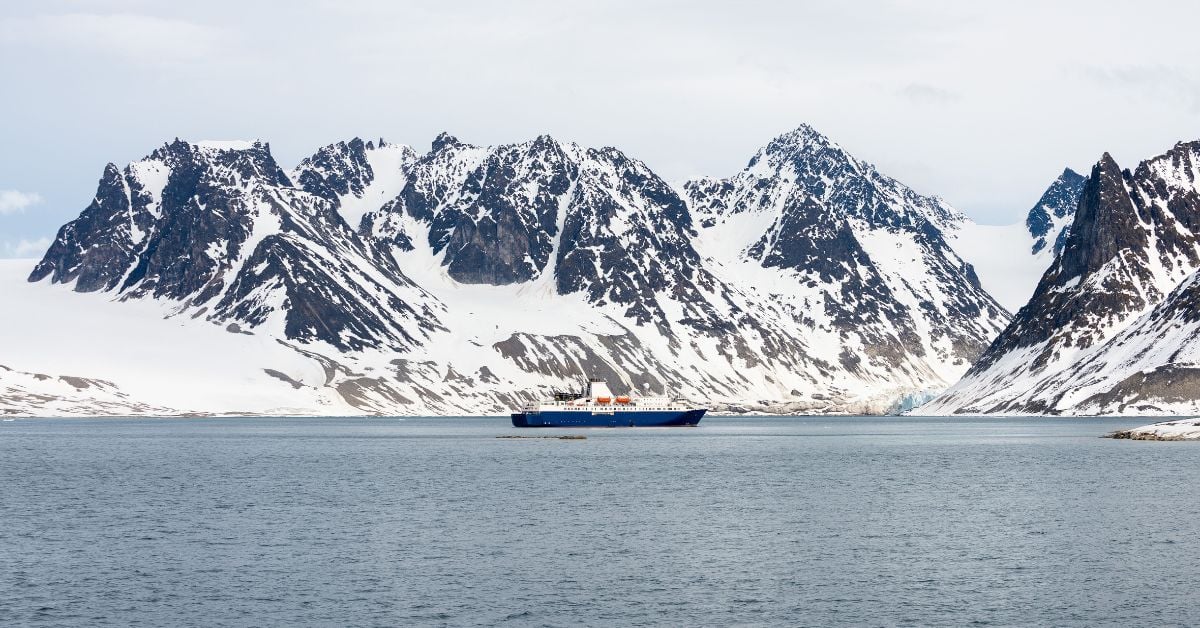
Chinese Research Vessels Operate Near Alaskan Coast, Raising Security Concerns
The presence of Chinese research vessels near the Alaskan coast signals a new layer of complexity in Arctic oversight. The United States views these operations as a potential security concern, and that reaction is measured, not alarmist. For those tracking maritime strategy, this is not abstract posturing; it is a concrete development in a region where access and influence are tightening. We should monitor these transits closely, because in the Arctic, presence itself is a form of leverage.
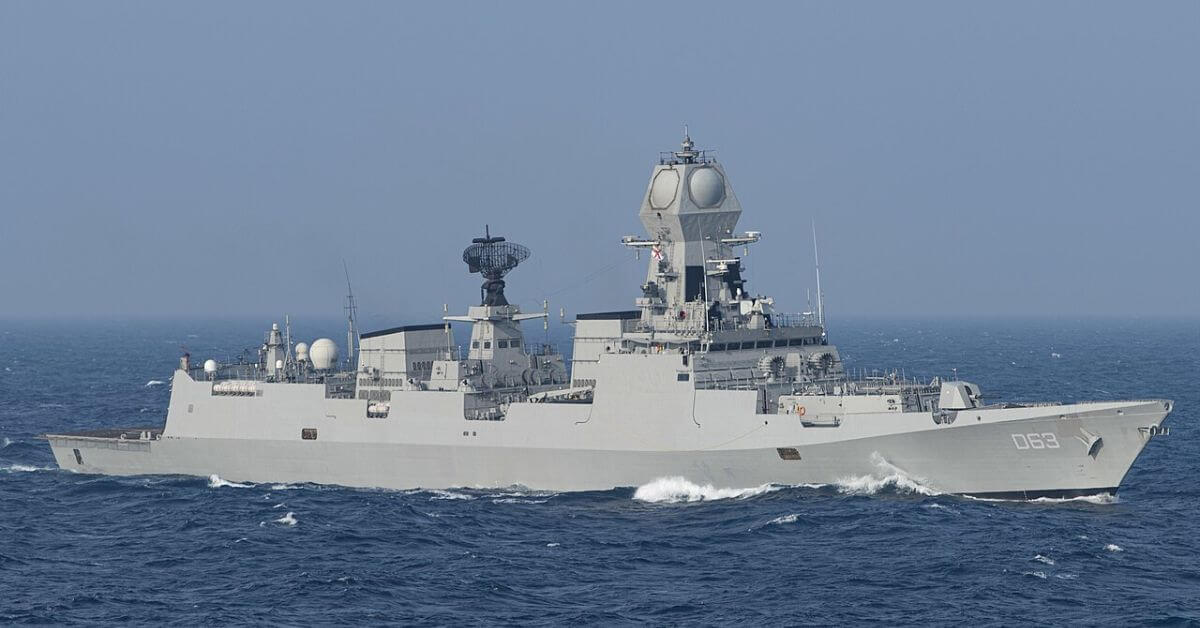
Naval Standoff: Tensions Rise as Pakistan Accuses India Near EEZ
The first open military confrontation between Pakistan and India since May 2025 has arrived, this time near the Exclusive Economic Zone, marking a sharp escalation in an already tense maritime theatre. This incident underscores how quickly regional friction can shift from diplomatic channels to open water. For those tracking the broader picture, our related piece on India's planned naval expansion offers crucial context on the strategic build-up behind such standoffs.
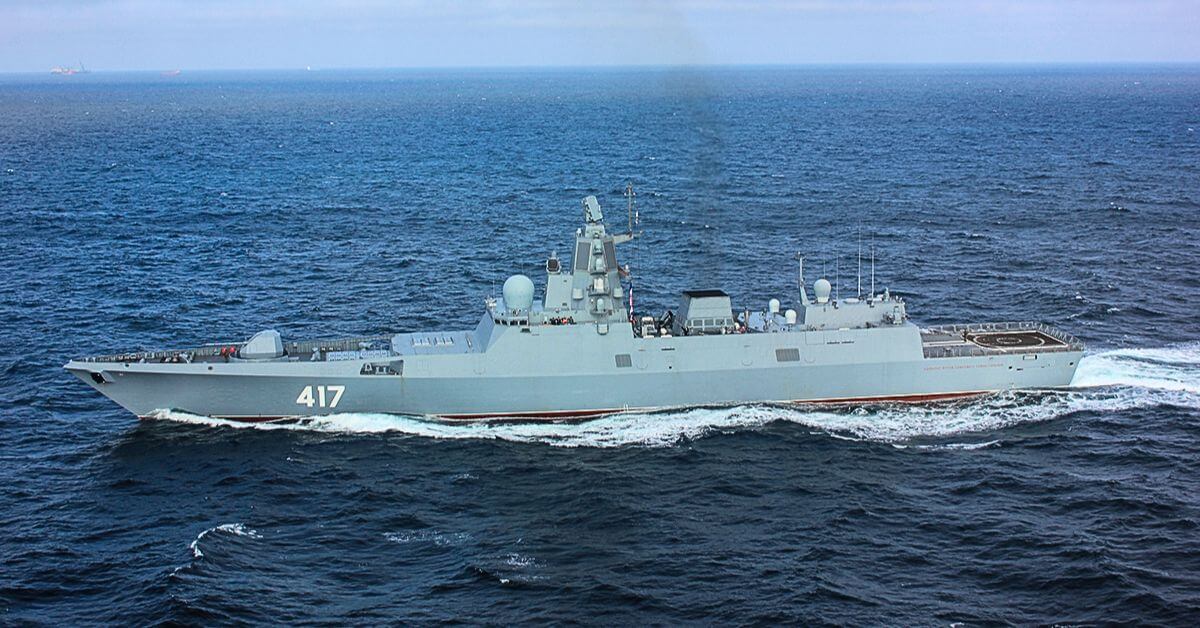
Baltic Sea Incident: Russian Warship’s Flares Prompt International Concern
The Baltic Sea's status as a corridor of strategic tension sharpened this week after a Russian warship fired flares, a move the European Union swiftly labeled "reckless and dangerous." The incident underscores how routine naval operations can escalate into international incidents with little warning. Such provocation demands measured, empirical scrutiny rather than alarm. For context on Moscow's broader maritime ambitions, our related coverage on Russia's icebreaker export revenue scheme offers useful grounding.

Interdicted Vessel Disrupts Drug Trafficking in the Eastern Pacific.
On Sept. 2, a U.S. Southern Command interdiction in international waters disrupted drug trafficking in the Eastern Pacific, a decisive action in a region where illicit networks often outpace surveillance. This is not merely an enforcement win; it is a measurable step toward safeguarding ocean intelligence, where security and scientific stewardship converge. The operation underscores how validated, real-time coordination can disrupt unlawful activity while reinforcing the broader mission of ocean health.

Naval Operations Validate Strait of Hormuz Shipping Lane Clearance
The Traffic Separation Scheme in the Strait of Hormuz has been validated as clear, a tangible result of naval mine-clearance operations that underscores the value of methodical, measured action. This is not about grand gestures; it is about ensuring a critical artery for global energy remains open and dependable. The work aligns with the broader push toward maritime stability, and our recent coverage of Gulf of Oman STS transfers maxing out reinforces how vital these lanes are.

Sanctions Enforced: Italian Navy Intercepts Tanker in Mediterranean Operation
The Italian Navy's interception of the sanctioned tanker *Toa Payoh* west of Pantelleria is a decisive enforcement of EU measures, and it sends a clear signal about maritime accountability. This operation demonstrates that sanctions are not abstract policy; they are backed by tangible, calibrated action in strategic waters. The Mediterranean remains a focal point for geopolitical tension, and this interdiction underscores the necessity of persistent naval vigilance.

Data-Enabled Recovery: GPS Trackers Aid Seizure of Cocaine at Sea
A waterproof bundle fitted with a GPS tracker sounds like a clever recovery mechanism, yet the operation nearly failed before it could succeed. The technology performed as designed, but the margin for error was evidently thin. This incident underscores how validated, real-time data can sharpen maritime enforcement, though it also reminds us that even the best tools leave little room for complacency.

Black Sea Attack: Cargo Ship Targeted, Raising Maritime Security Concerns
The MV Reyhan Sari was sailing from Russia's Port of Taman to Trabzon when it came under attack on July 22, according to ship owner T and O Maritime. The strike raises pointed questions about the safety of commercial routes in the region. This incident is not isolated; our related coverage, including "Strikes Target Ports and Vessels in Confirmed Military Action," underscores a troubling pattern. For those navigating these waters, the threat is no longer hypothetical, it is measurable, and it demands calibrated responses.

Russian Warship Conducts Live-Fire Exercise Near U.K. Waters.
A Russian warship fired its main cannon in a live-fire exercise 45 miles south of Plymouth, on the same day Andy Burnham was appointed prime minister. The timing is pointed, though the vessel remained in international waters. Live-fire drills near U.K. shores are a deliberate show of reach, not a technicality. For context on Moscow's broader maritime posture, our related piece, "Russia Calibrates Export Revenue for Northern Sea Route Icebreaker Fleet," offers useful depth. This is calibrated pressure, measurable and real.

Naval Action: US Disables Tanker in Arabian Gulf, Escalating Tensions.
The U.S. Navy's disablement of a tanker in the Arabian Gulf marks the first publicly confirmed case of a merchant vessel being taken out of action since Washington reinstated its naval blockade on Iran. It is a deliberate, calibrated escalation, not an accident. The move signals that economic pressure has crossed into active maritime enforcement. For readers tracking the diplomatic path forward, our related piece on phased negotiations toward easing Strait of Hormuz restrictions provides essential context.