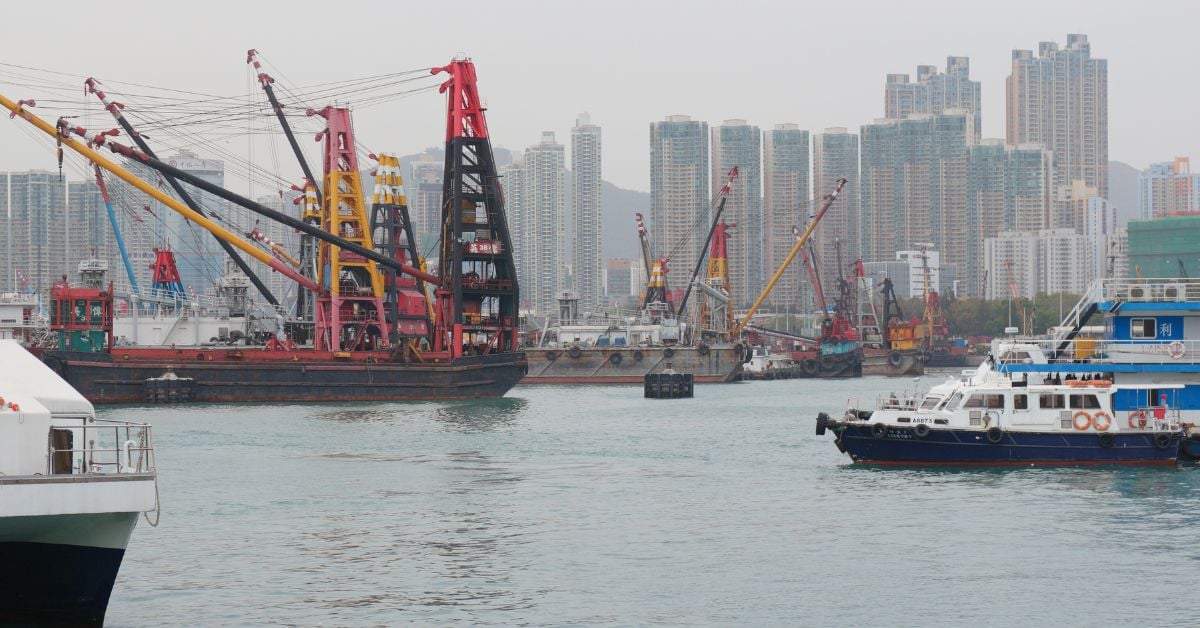
The two-month extension of the port fee suspension on Chinese vessels, now running through January 9, 2027, buys time but does not resolve the structural tension at the heart of U.S.-China maritime relations. We see this pause as a pragmatic acknowledgment that penalizing Chinese-built ships carries real consequences for supply chains that cannot be recalibrated overnight, and that the real work lies in building alternative capacity, not just negotiating deadlines.
This latest delay follows a pattern set by the 2025 U.S.-China trade framework, which originally paused fees for one year. The extension gives Washington and Beijing more room to negotiate, but the underlying calculus has not changed. As we noted in our analysis of A Measured Shift in Maritime Capacity Signals Evolving Ocean Intelligence, China's shipyards now secure nearly 81.8% of global new ship orders. That dominance is not accidental, it is the result of state-backed policies, rapid technological deployment, and a coordinated push into foreign shipping investment. A fee on Chinese-built vessels, while intended to stimulate U.S. shipyards, would immediately raise operating costs for the vast majority of container ships calling on U.S. ports. The coalition of trade associations that warned USTR in September was correct: such penalties could destabilize transpacific supply chains already under pressure from high operating costs and volatile capacity.
The practical effect for operators is straightforward: no fee obligations between November 10, 2026, and January 9, 2027. But this is a reprieve, not a solution. The USTR's original regulation offered carriers up to a three-year fee exemption if they commissioned newly built ships from U.S. shipyards, yet that incentive has not produced a measurable shift in domestic production. Meanwhile, the global fleet is evolving in other directions. The Dual-Fuel Fleet Surpasses 500 Vessels in Measurable Shift Toward Lower-Emission Shipping signals that the industry is investing in next-generation propulsion, but those investments are overwhelmingly flowing to Asian yards. U.S. shipbuilding capacity remains a fraction of what would be needed to absorb even a modest share of new orders, and the two-month extension does nothing to close that gap.
What matters now is what happens after January 9, 2027. The USTR's public consultation closed on October 30, and the feedback from businesses will shape whether the fee returns in full, is modified, or is replaced by a different mechanism. One specific detail to watch: the original fee rates range from $18 per ton to $120 per container, a wide band that leaves room for calibrated application. If bilateral talks produce a narrower, targeted fee structure rather than a blanket levy, that would represent a more empirically grounded approach. If talks stall, the return of the fee could ripple through every U.S.-based company dependent on ocean transport. The extension is a pause, not a pivot. The question is whether either side uses it to build real alternatives or simply postpones the same hard choices.