blue economy
blue economy at World Data Ocean is a file of 15 stories. The newest of them: “Measuring the longevity of a booming ocean economy through integrated climate indicators”, “Closing the data gap: disclosure as a calibrated step toward ocean action”, and “Empirical ocean data powers the measurable path to energy transition”. The ocean economy is booming, but its longevity depends on what we can measure. Disclosure is a calibrated step, not a final destination. A Global Hub for Ocean Intelligence 4 World Data Ocean is a centralized digital platform where researchers, scientists, and ocean enthusiasts converge to… The list below is every blue economy story on World Data Ocean, newest first.
Measuring the longevity of a booming ocean economy through integrated climate indicators
The ocean economy is booming, but its longevity depends on what we can measure. UN Trade and Development now asks a critical question: how long can this growth last? The answer lies in integrated climate indicators, validated, empirical data that tracks real-time ocean health. Understanding drives protection. For deeper context, see how the cruise fleet expands its role as a calibrated platform for ocean intelligence. Growth without data is just speculation.
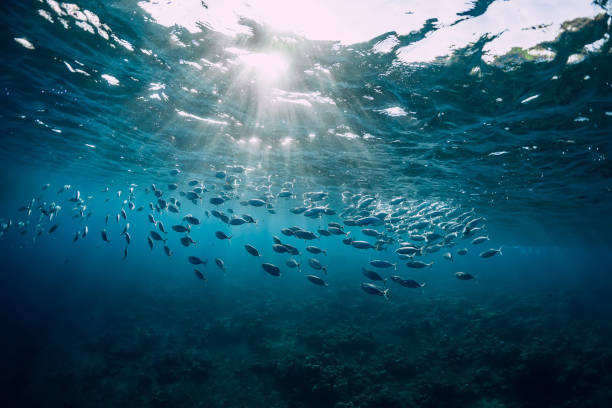
Closing the data gap: disclosure as a calibrated step toward ocean action
Disclosure is a calibrated step, not a final destination. This World Ocean Day, the conversation shifts from identifying the data gap to closing it, because what gets measured gets managed. Measuring the ocean's warming pulse at 2,000 meters gives us the empirical evidence needed for real action. We cannot protect what we do not understand. Transparency builds trust. A shared, measurable data ecosystem turns observation into obligation, making ocean stewardship not just urgent, but achievable.
Empirical ocean data powers the measurable path to energy transition
The ocean's role in the energy transition is not theoretical, it is empirical. Measurable ocean data powers the path forward, validating climate indicators and calibrating our decisions. The World Economic Forum makes this clear: data is the foundation. For those tracking the science beneath the surface, our coverage of the Ocean Carbon and Acidification Data System offers a peer-reviewed look at how validated, integrated data ecosystems turn ocean intelligence into actionable climate insight. Understanding drives protection.
Eleven data-driven innovations sharpen our ocean intelligence
Eleven measurable innovations are sharpening our ocean intelligence. From validated carbon tracking systems to data-driven models revealing how the atmosphere forces ocean dynamics, each tool adds a calibrated layer to our understanding. These are not abstract concepts, they are empirical, peer-reviewed advances that make ocean stewardship actionable. The Ocean Carbon and Acidification Data System in *Nature* exemplifies this: validated data powering a measurable path forward. Understanding drives protection. From orbit to ocean floor, the evidence is building.

Africa's first permanent ocean observatory closes a critical data gap for science and policy
Twenty-two million measurements. That is the scale of what the Bazaruto Center for Scientific Studies and Kisawa Sanctuary have built off Mozambique's coast. Africa's first permanent ocean observatory is not a small pilot project; it is a multi-ecosystem platform covering 6,850 square kilometers, generating high-frequency data across coral, seagrass, and open-ocean habitats. The numbers are impressive, but the real achievement is showing how a Resort-to-Research model can sustain serious science.
Integrated Monitoring Supports Ocean Resilience in Developing Economies
Ocean observation should not be a luxury of wealth. In developing economies, where monitoring gaps align with the highest climate exposure, this co-developed framework proves otherwise. By centering on user needs and open satellite data, it builds capacity without waiting for dense in-situ arrays. The South African OCIMS tool shows how integrated systems accelerate readiness. This is the practical path to resilience. For more on expanding observational reach, see our related coverage, "Bridging Data Gaps: Integrating Citizen Science for Ocean Intelligence."
China's Blue and Digital Economies: A 30-Year Evolution in Trade.
Thirty years of trade data now show what the blue economy's digital future looks like: broader, more diversified, and increasingly tied to high-tech marine sectors. This study's blue, digital product space reveals that relationships between the two groups have deepened, especially in marine equipment, shipbuilding, and observation technologies. It is an exploratory view, not a causal claim, but the pattern is telling. For those tracking maritime digitalization, the shift is measurable.
China's Bill of Lading Practice: Bridging Legal Approaches for Global Trade
China's courts are charting a distinctive course on bills of lading, treating them as both contractual and real-right instruments where global practice leans on constructive possession. Our empirical review of 49 judgments shows this dual-attribute pathway dominates, acting as a judicial shock absorber that yields outcomes broadly comparable to international norms. Yet this compensation exacts a toll: reduced efficiency and heightened uncertainty, costs that paper masked. Trade digitalization and the coming NCD Convention expose these frictions, pressing China toward a more possession-aligned judicial stance.
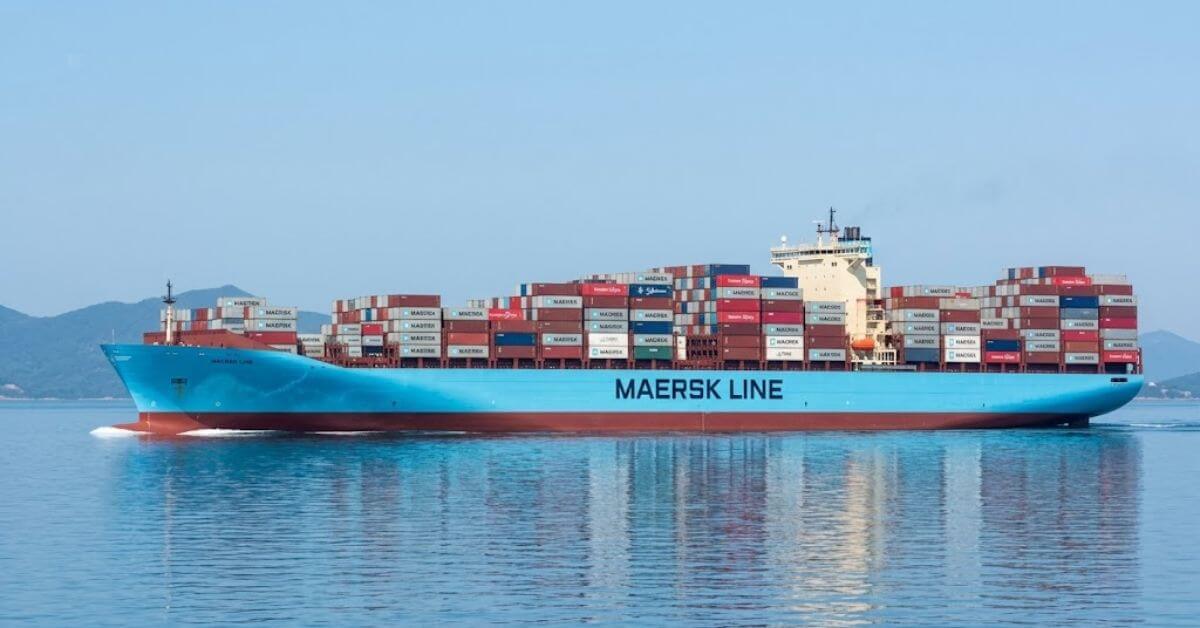
Maersk Considers Bangladesh Shipbuilding Investment, Recycling Potential Explored
AP Moller-Maersk is weighing direct investment in Bangladesh's shipbuilding sector, a move that pairs commercial pragmatism with the country's growing recycling potential. The logic is sound: established yards and expanding industrial capacity offer Maersk a foothold in a region where vessel construction and end-of-life dismantling increasingly overlap. This is not speculative ambition; it is calibrated expansion. For context on how similar partnerships are shaping regional capabilities, our piece on the collaborative shipbuilding initiative in India offers a useful counterpoint.

Integrated Ocean Intelligence: EU’s OceanEye Initiative Advances Real-Time Data.
The EU's OceanEye initiative is turning real-time ocean observation into a shared, measurable asset. By integrating data from orbit to sea floor, it gives researchers and policymakers a clearer, peer-reviewed picture of climate indicators as they shift. That kind of empirical clarity is what effective stewardship demands. For context on how marine data travels, our coverage of integrated subsea cables across the Indian Ocean pairs well with this story. Ocean intelligence works best when the whole system is connected.

Integrated Vessel: Power, Data, and Water—A New Era for Ocean Intelligence
A single vessel now moves beyond transport to become infrastructure: Optimal Transit has built a ship that functions as a floating AI data centre, a clean power source for coastal grids, and a drinking water plant for thousands. It is a practical answer to two pressures at once: the rising energy demand of computation and the tightening limits of freshwater supply. The ocean is finally doing more than carrying cargo.
Measuring Ocean Health: Introducing Integrated Ocean Accounts.
Ocean accounts turn scattered marine data into a single, coherent ledger. They track what the ocean provides, how we use it, and what we put back, giving policymakers a practical way to weigh economic gains against ecological health. This framework makes trade-offs visible and decisions more defensible. It is a measurable step toward stewardship, not a slogan.

Women's Participation in India's Maritime Workforce Soars.
The maritime workforce is changing, and India is leading that charge. Union Minister Sonowal highlighted that initiatives like "Sagar Mein Samman" are driving a measurable rise in women's participation across the sector. This is not symbolic progress; it is practical, structural advancement. When policy targets inclusion directly, the industry strengthens. For those tracking this momentum, our related coverage on the new Seafarers' Welfare Centre at Mormugao Port shows how infrastructure and opportunity are being built in tandem.
MPA Governance: Balancing Conservation and Blue Economies in Island Nations
Marine protected areas in island nations often promise more than they deliver. Fiji, Palau, and Taiwan's marine governance system each show that designating ocean space is not the same as governing it effectively. The real variable is institutional coherence: whether fisheries, maritime industries, and conservation speak to each other across agencies and levels. Coverage alone falls short. Governance alignment, not area size, determines whether MPAs support climate-resilient blue economies. For those tracking enforcement and monitoring gaps, the lessons here are practical.
Charting a Course: Women's Progress in Indian Marine Science
Women now earn 63.3% of postgraduate and 60.5% of doctoral degrees in Indian oceanography, yet they hold just 21.4% of faculty positions. That gap is not abstract. Ten years of national data reveal a pipeline that welcomes women at entry and thins them out at every step after. The pattern mirrors what researchers document globally, and it points to structural barriers, not capability. Progress at the top of the funnel is real, but it stops short of the lab. That is not parity.