port fees
World Data Ocean keeps port fees in one place: 2 stories so far. The section currently leads with “Port fee freeze on Chinese vessels extended through January 2027” and “Maritime fees signal friction in trade amid climate and shipping integration”. The suspension of port fees on Chinese vessels has been extended through January 9, 2027, a two-month delay from the prior November 2026 expiry. A $200,000 fee per Spanish cargo ship arriving at U.S. A Global Hub for Ocean Intelligence 4 World Data Ocean is a centralized digital platform where researchers, scientists, and ocean enthusiasts converge to… The list below is every port fees story on World Data Ocean, newest first.
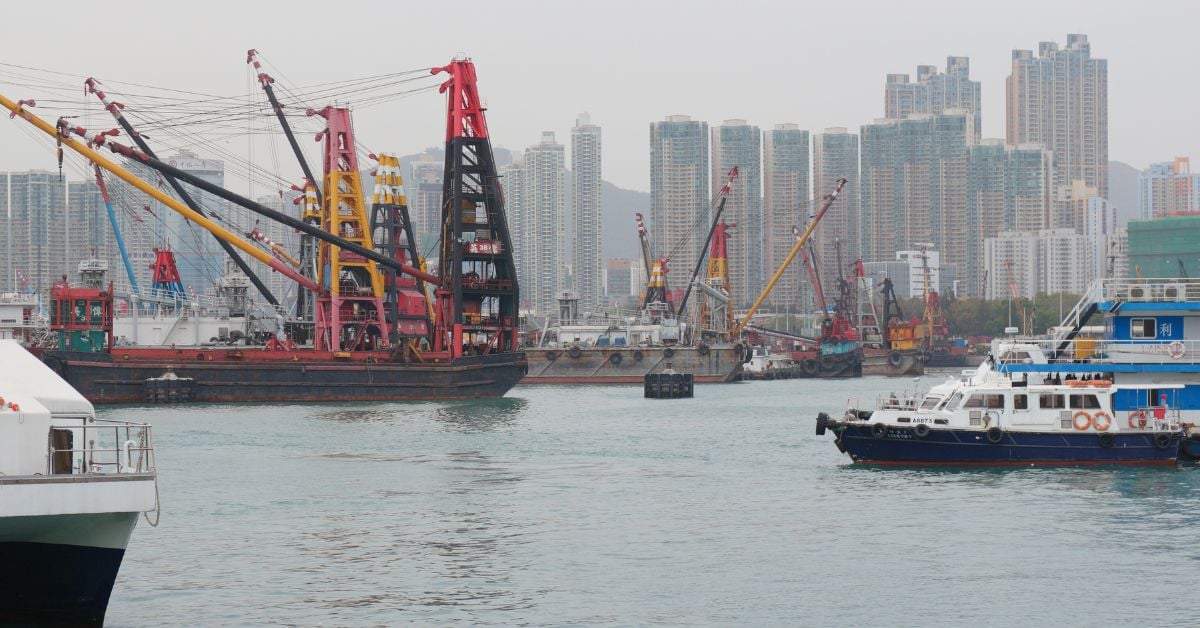
Port fee freeze on Chinese vessels extended through January 2027
The suspension of port fees on Chinese vessels has been extended through January 9, 2027, a two-month delay from the prior November 2026 expiry. This measured extension reflects a calibrated approach to maritime policy, avoiding abrupt disruption while maintaining strategic oversight. Understanding drives protection, here, that means sustained observation of trade flows without unnecessary friction. For deeper context on global port performance, see our coverage of Khalifa Port's 21.6% TEU surge lifting it five spots in global rankings.
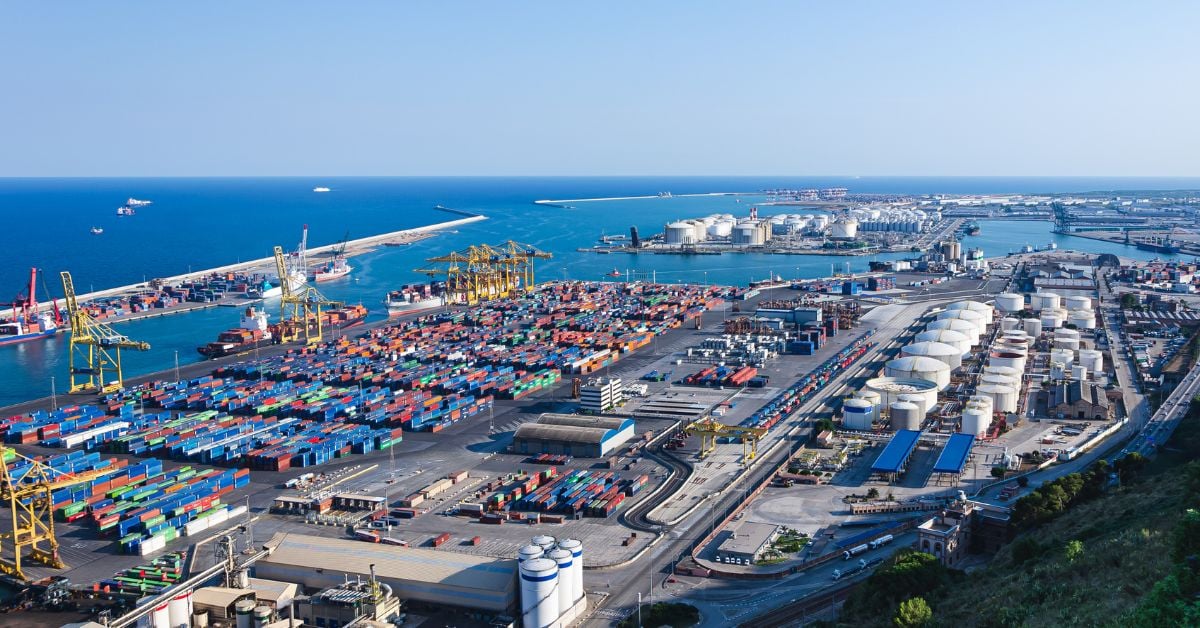
Maritime fees signal friction in trade amid climate and shipping integration
A $200,000 fee per Spanish cargo ship arriving at U.S. ports signals growing friction where maritime trade meets climate policy and shifting alliances. The U.S. Federal Maritime Commission's move injects measurable cost into a system already under pressure from sanctions enforcement and fleet integration. These rising barriers demand calibrated responses. For deeper context, our coverage of the Panama Registry's removal of three tankers tied to Iranian oil illustrates how maritime governance is tightening globally.