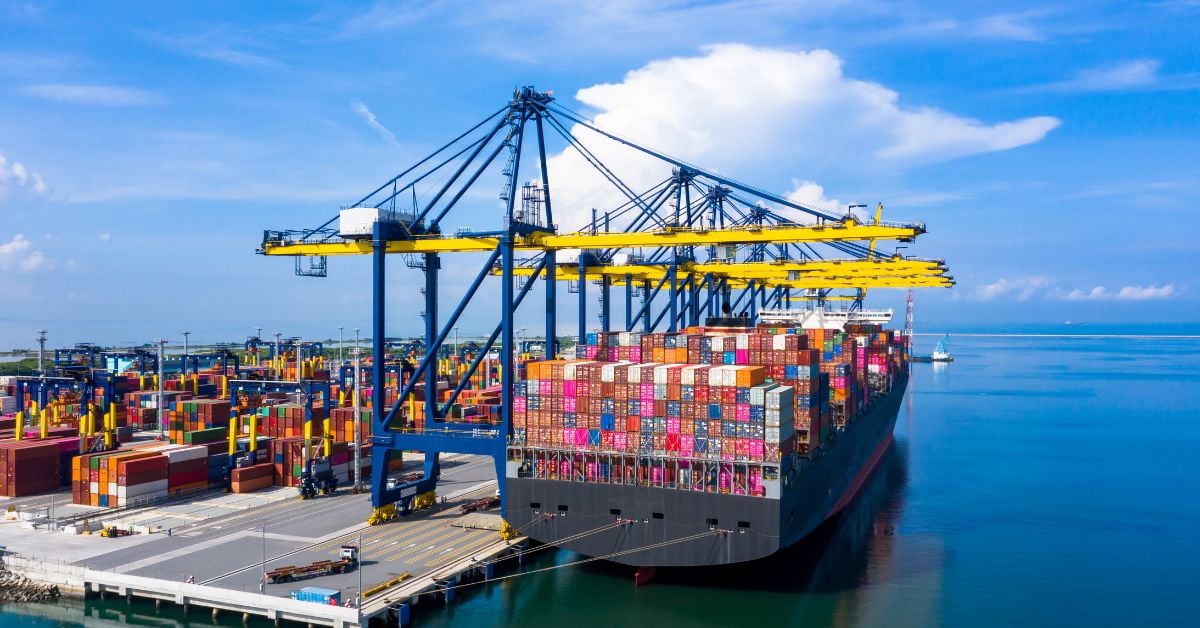
Five hundred and three dual-fuel vessels now ply the world's oceans, and the orderbook for another 849 ships confirms that this is not a niche experiment, it is the trajectory of an industry in transition. The World Shipping Council's data, showing a 41% increase since last September, makes plain that operators see lower-emission shipping as a commercial reality, not a regulatory burden. Yet, as Joe Kramek rightly notes, the ships themselves are only half the equation. Without the bunkering infrastructure and a globally enforced measurement framework, these vessels, each representing a multi-decade investment, risk underperforming their potential. This is where the maritime sector's collective resolve will be tested.
The scale of the shift is measurable: over $200 billion committed across delivered and ordered vessels, with container ships and vehicle carriers driving the demand at 65% and 97% of deadweight tonnage respectively. Compare that to just 23% across the rest of the fleet, and the picture becomes clear, the most visible segments of global trade are leading, while bulk carriers and tankers lag. That gap matters. A dual-fuel container ship is a powerful symbol, but the decarbonisation of shipping will only accelerate when the entire fleet, including the oil tankers that have seen a recent uptick in traditional orders due to Gulf instability, follows suit. This uneven progress echoes the challenge of accountability we have seen elsewhere at sea: as Fake ship registries expose seafarers to risk and erode maritime accountability shows, a lack of enforceable standards creates dangerous loopholes. A global measurement framework, consistently enforced, would close that loophole for emissions the way proper registry oversight should for safety.
What does this mean for our readers, researchers, policymakers, and the maritime professionals who will crew and manage these ships? First, the window for infrastructure planning is narrowing. Every delay in developing alternative fuel supply chains makes the transition more expensive and uncertain, as Kramek warned. Second, the data itself must become more transparent. The World Shipping Council's count is a valuable snapshot, but a truly integrated data ecosystem, one that tracks fuel type, emissions, and performance in real time, would give investors the confidence to scale up. Norway's recent move to extend ocean intelligence with 20 new vessels alongside NATO allies points toward the kind of collaborative, data-rich approach that could serve as a model for commercial shipping.
The most concrete takeaway is this: the 503 dual-fuel ships already in service are proof of concept, but the 849 under construction are the real test. Those vessels will be delivered into a world that must have the infrastructure, the regulatory certainty, and the fuel supply chains ready for them. Without that, the industry risks building a fleet that can burn clean fuel but cannot consistently access it, a costly mismatch that would slow decarbonisation at the very moment it needs to accelerate. The question is not whether the technology works; it is whether the system around it will catch up.