container shipping
World Data Ocean keeps container shipping in one place: 6 stories so far. The section currently leads with “Analyzing Container Shipping Resilience Amid Red Sea Disruptions”, “Rising Battery Shipments Demand Enhanced Safety Protocols.”, and “Samsung Alleges Shipping Act Violations by CMA CGM.”. A corridor closure does not have to sever the network to degrade it. Global lithium-ion battery deployments in 2025 reached six times the volume of 2020, a validated surge that demands calibrated safety protocols. A Global Hub for Ocean Intelligence 4 World Data Ocean is a centralized digital platform where researchers, scientists, and ocean enthusiasts converge to… The list below is every container shipping story on World Data Ocean, newest first.

Analyzing Container Shipping Resilience Amid Red Sea Disruptions
A corridor closure does not have to sever the network to degrade it. New modeling of the Red Sea, Suez disruption shows that passive diversion alone drops service levels to 0.827, even while the largest connected component stays intact. The real bottleneck is not port capacity but fleet turnover. That distinction matters as operators weigh Cape rerouting against joint optimization. For broader context, our coverage of Russia's icebreaker financing plans offers a useful counterpoint on how states are investing in Arctic alternatives.
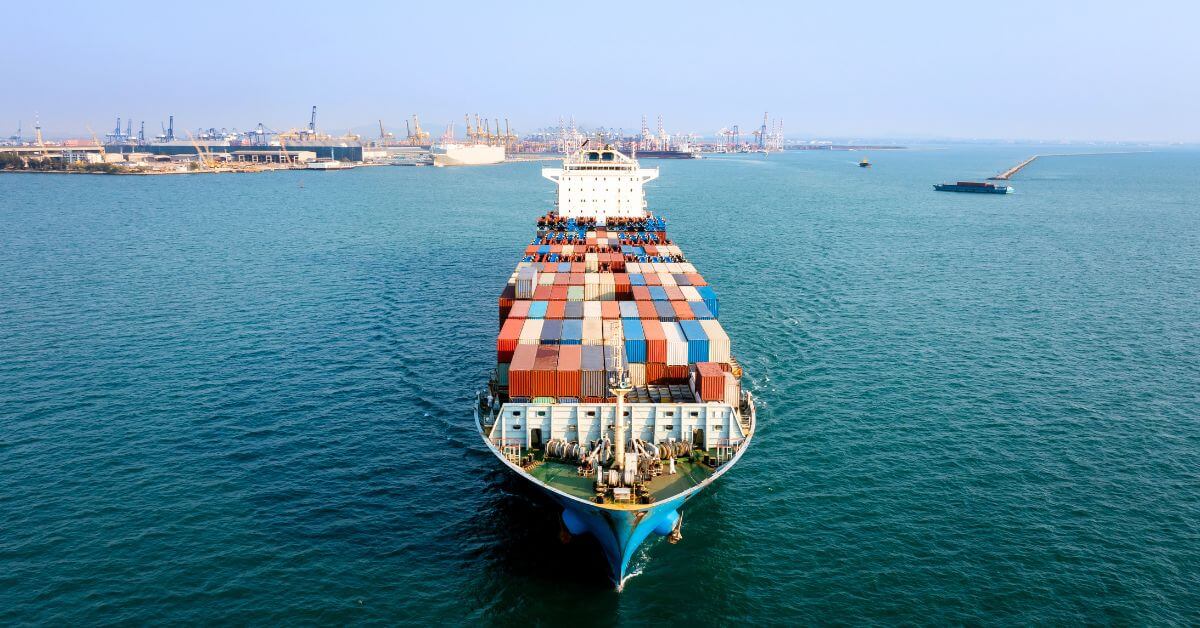
Rising Battery Shipments Demand Enhanced Safety Protocols.
Global lithium-ion battery deployments in 2025 reached six times the volume of 2020, a validated surge that demands calibrated safety protocols. This rapid scaling of energy storage is measurable progress, but it also introduces new risks we must address with the same empirical rigor that drives ocean intelligence. Understanding drives protection. For deeper context on maritime safety, our analysis of the NTSB's 2025 Safer Seas Digest offers peer-reviewed lessons from recent casualties.
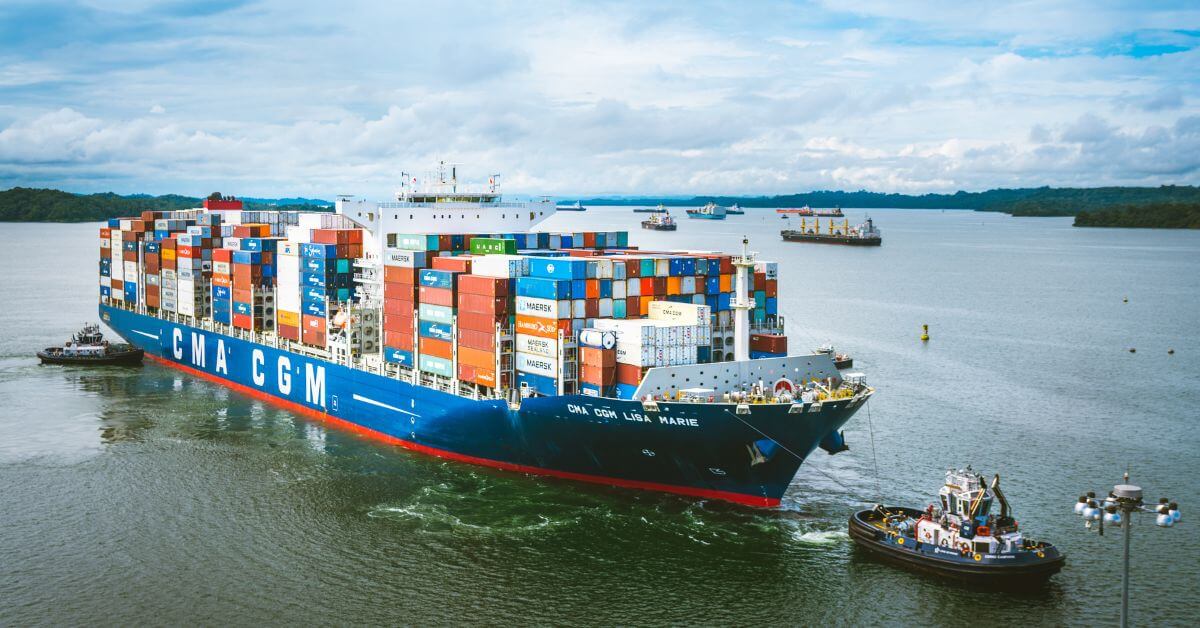
Samsung Alleges Shipping Act Violations by CMA CGM.
Samsung Electronics America has filed a complaint with the U.S. Federal Maritime Commission against CMA CGM, alleging Shipping Act violations. The move signals growing tension between major shippers and carriers over contractual accountability. It is a reminder that ocean intelligence must include legal scrutiny, not just logistical performance. As global supply chains face mounting pressure, disputes like this one carry real consequences.
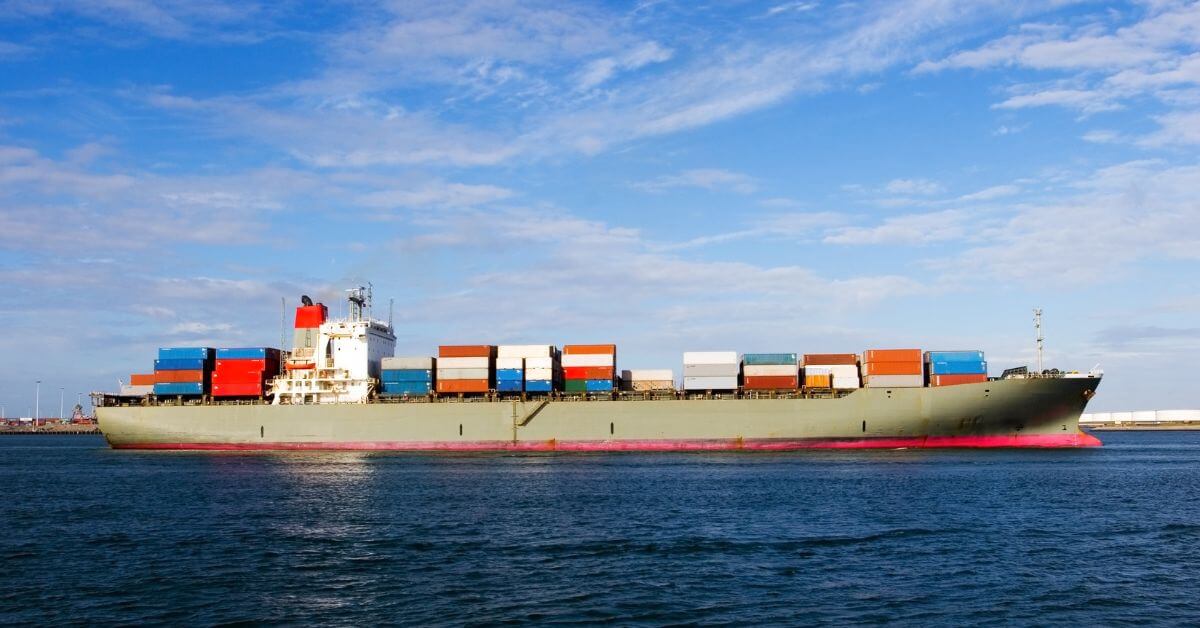
Nuclear-Powered Shipping Route Explored in Transatlantic Collaboration
A transatlantic partnership has launched to explore a nuclear-powered shipping route, with Lloyd's Register, Maersk, and the ports of Charleston and Felixstowe collaborating on the Pink Corridor project. The initiative reflects a measured, forward-looking approach to decarbonizing maritime transport, one grounded in feasibility rather than hype. Nuclear propulsion remains a complex proposition, but this kind of cross-border, industry-led testing is how real progress gets calibrated. For broader context on maritime chokepoints, our coverage of the Strait of Hormuz reopening offers a timely parallel.

Arctic Route Expands: China's "Ice Silk Road" Connects East and Europe.
On Aug. 15, Sea Legend launched its weekly China-Europe Arctic Express, a scheduled service that turns the fabled "Ice Silk Road" into a working corridor. The route matters because it shortens the physical and logistical distance between East Asia and Europe, offering a practical alternative to congested southern passages. This is not spectacle; it is measured progress in ocean logistics. For context on how Arctic shipping economics are evolving, our coverage of Russia's icebreaker export revenue plans provides useful calibration.

Arctic Shipping Route Emerges as Climate-Driven Alternative.
A scheduled Arctic route now links Ningbo to Felixstowe, with Sea Legend running the weekly service. This is not a distant proposal; it is a working commercial response to receding ice and shifting trade realities. The passage shortens transit times, yet it also demands calibrated investment in icebreaker support and polar infrastructure. Climate change is redrawing maritime maps, and carriers are adapting. For context on how nations are financing these northern lanes, see our coverage of Russia's icebreaker export revenue plans.