Norway Launches NOK 68 Million Project to Accelerate Wind-Powered Shipping
Our take
Norway's recent investment of NOK 68 million into the WINTEGRATE project signifies a noteworthy acceleration in the pursuit of decarbonizing the maritime sector. Integrating wind propulsion directly into ship systems, rather than relying on auxiliary wind-assisted propulsion (WAP) solutions, represents a significant step toward achieving substantial fuel savings and reducing emissions. This development arrives at a crucial juncture, particularly considering the increasing scrutiny and pressure on the shipping industry to mitigate its environmental impact. The project's focus on seamless integration highlights a move beyond simply adding wind power; it’s about optimizing vessel performance through a holistic system design. This aligns with broader efforts to improve operational efficiency and reduce the sector’s carbon footprint, exemplified by NORDEN becoming the first maritime carrier to deliver verified emissions reductions NORDEN Becomes First Maritime Carrier To Deliver Verified Emissions Reductions. The success of WINTEGRATE could serve as a compelling model for future vessel design and operational strategies.
The maritime industry is a significant contributor to global greenhouse gas emissions, and finding viable, scalable solutions is paramount. While alternative fuels like ammonia and hydrogen hold promise, they face considerable logistical and technological hurdles. Wind-assisted propulsion, however, offers a comparatively near-term and readily deployable solution, particularly for longer voyages. The innovative approach of WINTEGRATE, focusing on direct system integration, addresses some of the practical challenges associated with earlier WAP implementations, such as optimizing sail configurations in real-time based on vessel dynamics and weather conditions. This focus on data-driven optimization is increasingly important as we seek to maximize the efficiency of all mitigation strategies. We have observed, through analysis of seismic data, how global warming is already impacting ocean wave strength How global warming shakes the Earth: Seismic data show ocean waves gaining strength as the planet warms - PreventionWeb, further underscoring the need for proactive and innovative solutions within the maritime sector to adapt and minimize impact.
The broader significance of WINTEGRATE extends beyond the immediate fuel savings and emissions reductions. It represents a commitment to technological innovation and a recognition of the need for collaborative efforts to address a complex global challenge. The project’s success hinges on a multidisciplinary approach, bringing together naval architects, engineers, and potentially data scientists to optimize system performance. This integrated approach mirrors the broader shift towards an integrated data ecosystem within the maritime industry, where real-time data analysis and predictive modeling are used to improve operational efficiency and reduce environmental impact. Furthermore, the project’s validation through peer-reviewed research and empirical data will be critical in demonstrating its long-term viability and encouraging wider adoption. The ongoing risks to maritime trade, as recently highlighted by incidents like the attack on a Saudi oil tanker 2 Filipino Seafarers Killed After Attack On Saudi Oil Tanker In Strait Of Hormuz, also necessitate a focus on safer, more sustainable operational practices.
Looking ahead, the key question will be the scalability and cost-effectiveness of the WINTEGRATE approach. While initial investment is significant, the long-term economic benefits of reduced fuel consumption and improved operational efficiency could prove compelling. Furthermore, the project’s findings will likely inform the development of international standards and regulations for wind-assisted propulsion, potentially accelerating its adoption across the global fleet. The successful integration of wind power into ship systems signifies more than just a technological advancement; it represents a crucial step towards a more sustainable and resilient maritime industry, one that is increasingly calibrated to respond to the urgent challenges of climate change and ocean stewardship.
Kongsberg Maritime and a consortium of leading Norwegian maritime companies and research institutions have launched WINTEGRATE, a major research and innovation project aimed at accelerating the adoption of wind propulsion in commercial shipping.
The project has been awarded up to NOK 68 million through Norway’s Green Platform programme.
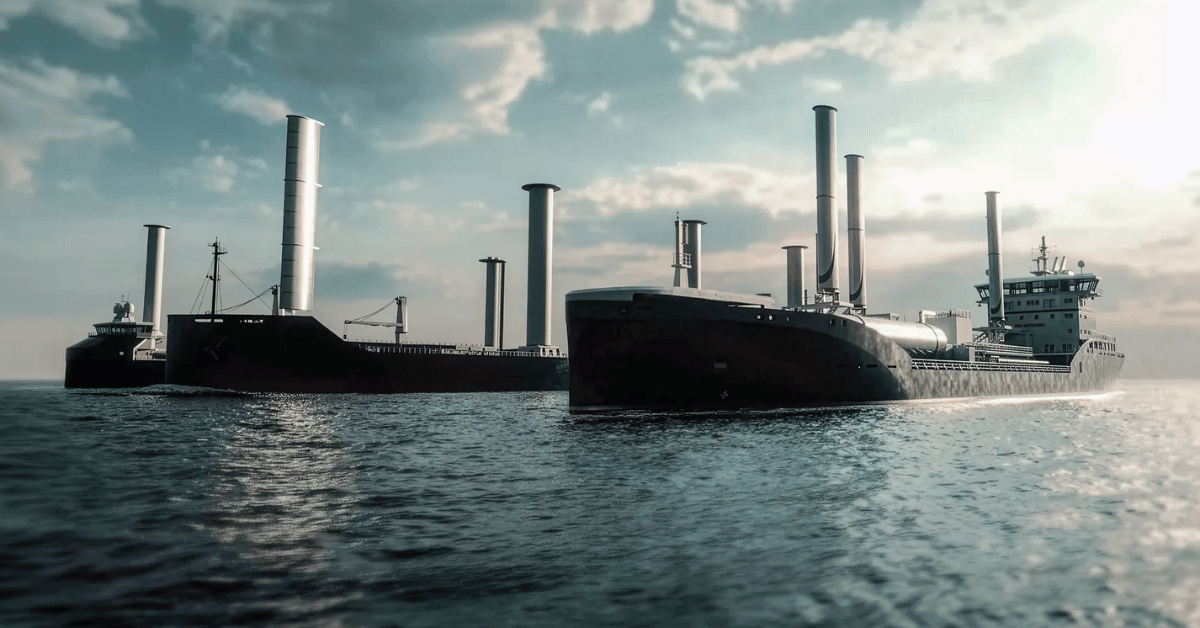
WINTEGRATE will develop technologies and methodologies that integrate Wind Assisted Propulsion Systems (WAPS), such as rotor sails and suction wings, with ship propulsion, power management, routing and control systems. The goal is to maximize fuel savings and emissions reductions while making wind propulsion easier to implement on both existing vessels and newbuilds.
“WINTEGRATE represents an important step toward making wind propulsion a practical and scalable solution for commercial shipping. By integrating sail technologies with onboard systems, we can unlock significant emission reductions and strengthen the competitiveness of the Norwegian maritime industry,” said VP Technology, Erik Hjortland in Odfjell.
While wind propulsion is increasingly recognized as a promising decarbonization technology, its full potential remains limited by insufficient integration with other onboard systems. WINTEGRATE aims to address this challenge through a holistic approach that combines digital technologies, operational optimization and full-scale testing.
The project will use demonstration vessels from shipping companies Odfjell SE and Seatrans, providing operational data to validate technologies and support commercial deployment.
The consortium includes Kongsberg Maritime (project owner), SINTEF Ocean, SINTEF Digital, Odfjell SE, Seatrans, DNV, StormGeo, OsloMet, Norsepower, bound4blue, Corvus, OMS and DIGICAT.
By combining wind propulsion with advanced control, energy management and weather routing systems, the partners aim to significantly increase the emissions-reduction potential of wind-assisted shipping and support the industry’s transition toward low- and zero-emission operations.
Read on the original site
Open the publisher's page for the full experience