decarbonization
15 stories filed under decarbonization on World Data Ocean. The newest of them: “Australia accelerates its energy transition with measurable gains in solar and wind”, “Shipping alliance targets 12,000-tonne CO2 cut via second-generation biofuels”, and “Tri-Fuel Ore Carrier Fleet Signals Measurable Shift in Maritime Decarbonization”. Australia's energy transition is delivering measurable gains: solar and wind are now actively replacing coal and gas power. CMA CGM and DSV are targeting a 12,000-tonne CO₂ reduction over two years through ACT+ low-carbon shipping solutions powered by second-generation biofuels. A Global Hub for Ocean Intelligence 4 World Data Ocean is a centralized digital platform where researchers, scientists, and ocean enthusiasts converge to… The list below is every decarbonization story on World Data Ocean, newest first.
Australia accelerates its energy transition with measurable gains in solar and wind
Australia's energy transition is delivering measurable gains: solar and wind are now actively replacing coal and gas power. This is not a distant promise but a validated, real-time shift. Empirical data confirms the momentum is real. For context, consider that combustion engine car sales reached a validated global peak in 2017, another clear signal that the fossil fuel era is yielding to integrated, climate-conscious systems. Understanding drives protection.
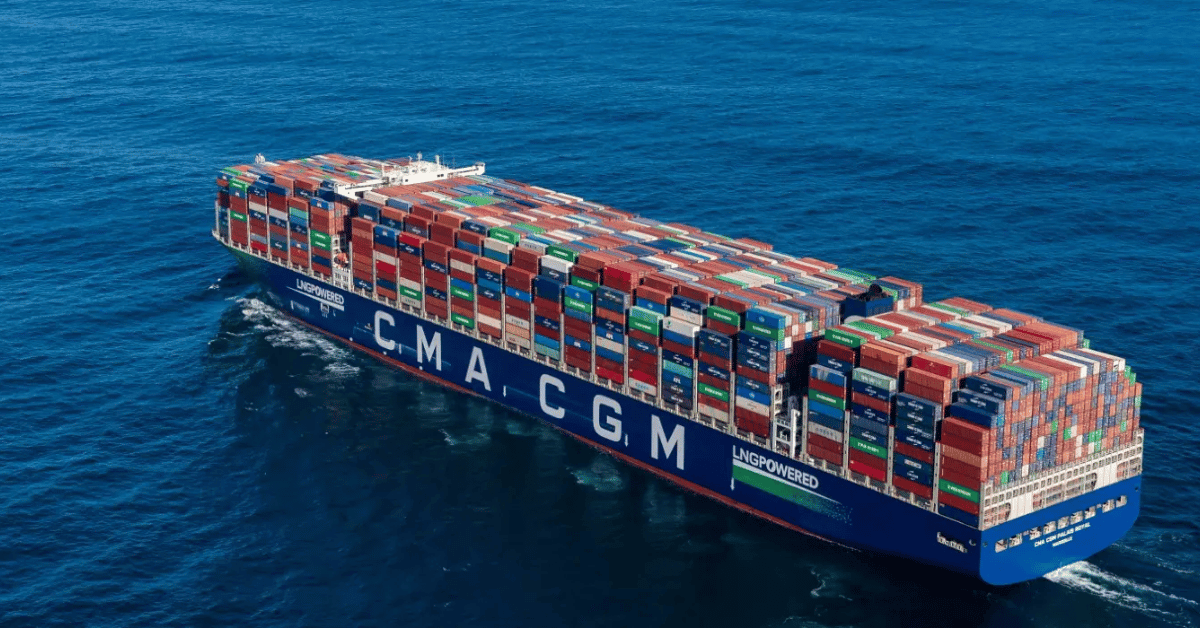
Shipping alliance targets 12,000-tonne CO2 cut via second-generation biofuels
CMA CGM and DSV are targeting a 12,000-tonne CO₂ reduction over two years through ACT+ low-carbon shipping solutions powered by second-generation biofuels. It is a measured step that pairs operational scale with validated fuel alternatives. The partnership demonstrates how logistics leaders can act on climate indicators without waiting for perfect infrastructure. For readers tracking the maritime fuel transition, our coverage of Wärtsilä's dual-fuel engine fleet offers a complementary view of the same decarbonization trajectory.
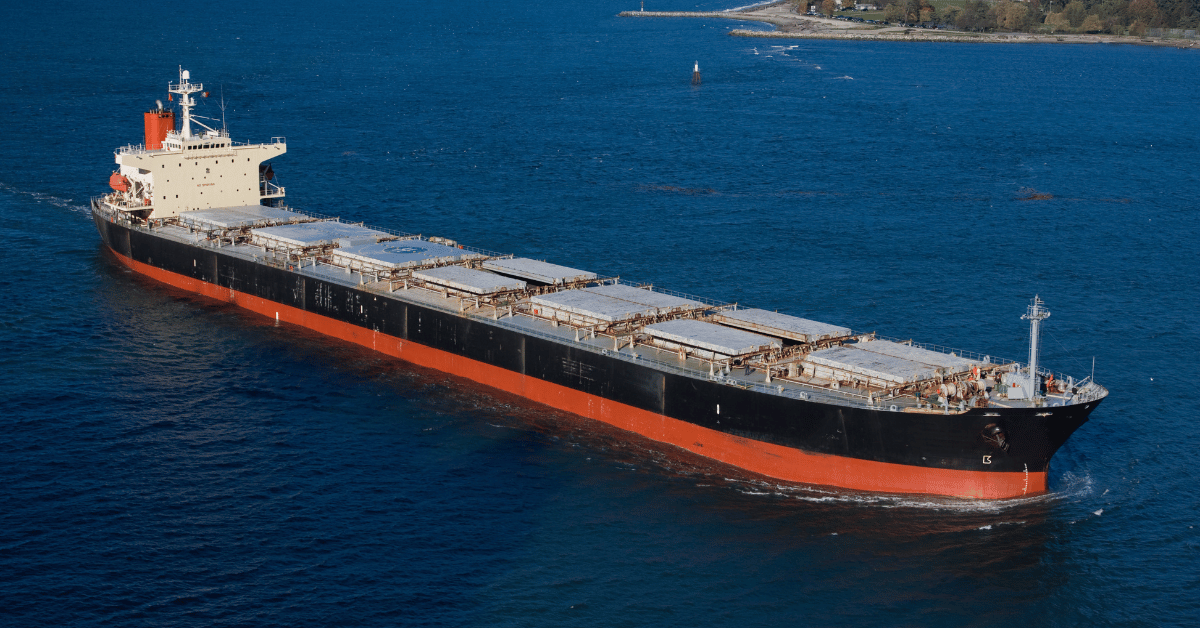
Tri-Fuel Ore Carrier Fleet Signals Measurable Shift in Maritime Decarbonization
Mitsui O.S.K. Lines has signed a 25-year charter with Vale to deploy two 210,000-tonne tri-fuel ore carriers capable of running on ethanol, methanol, or conventional fuel. This is not a pilot project; it is a validated, long-term commitment to measurable decarbonization in bulk shipping. The vessels represent empirical progress toward an integrated low-carbon maritime ecosystem. For deeper context on related marine innovation, see our coverage of Japan's Icebreaker Mirai II.

Optimizing Container Terminal Efficiency Through Integrated Crane and Truck Coordination
Container terminal efficiency hinges on the precise coordination of yard cranes and internal trucks, yet equipment waiting and prolonged operation times persist as constraints. This study tackles that challenge directly, introducing a mixed-integer linear programming model optimized through the NoisyNet-A3C algorithm. The results are compelling: a 23.9% reduction in crane operation time and a 21.7% cut in truck waiting at Xiamen Port's Haitian Terminal. This validated, data-driven approach offers a practical pathway toward operational energy optimization and sustainable port logistics.
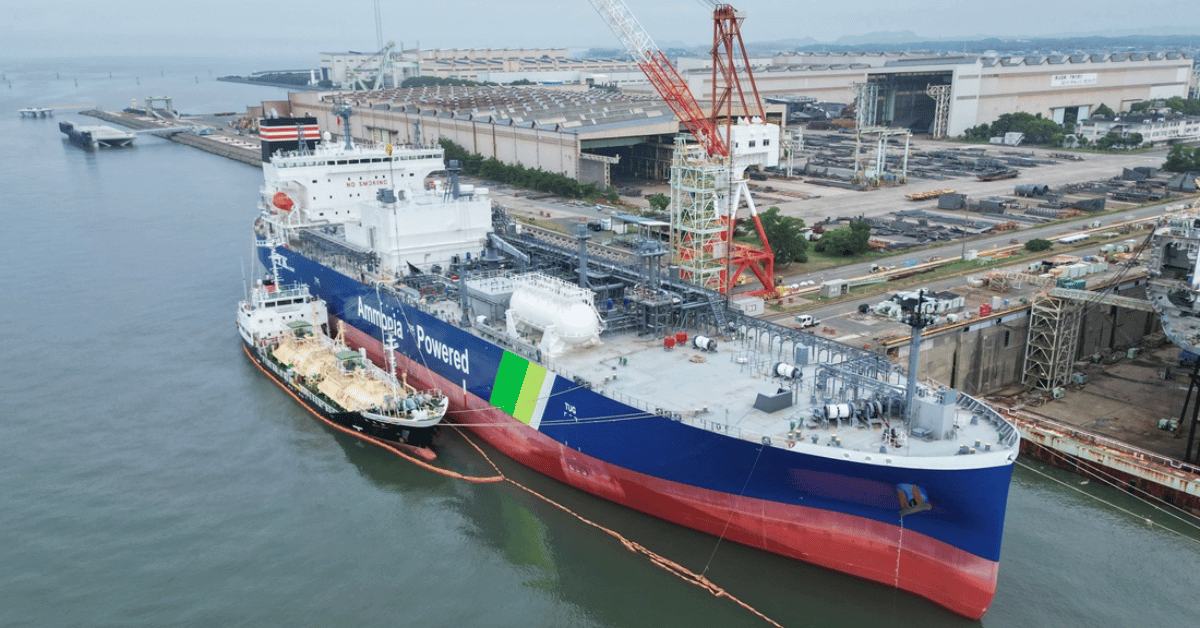
Ammonia Bunkering Milestone: Pioneering Sustainable Shipping Practices
NYK Line and its Japanese partners have completed the world's first ship-to-ship ammonia bunkering operation on an ammonia-fuelled vessel, a measured step toward decarbonizing maritime transport. This is not flashy; it is empirical progress. The operation validates a practical pathway for integrating alternative fuels into existing logistics chains. For those tracking how ports and fleets evolve, this milestone complements the validated design of an LNG-ammonia bunkering vessel we covered earlier. Together, these developments signal a deliberate, data-driven shift in how the industry powers its ships.
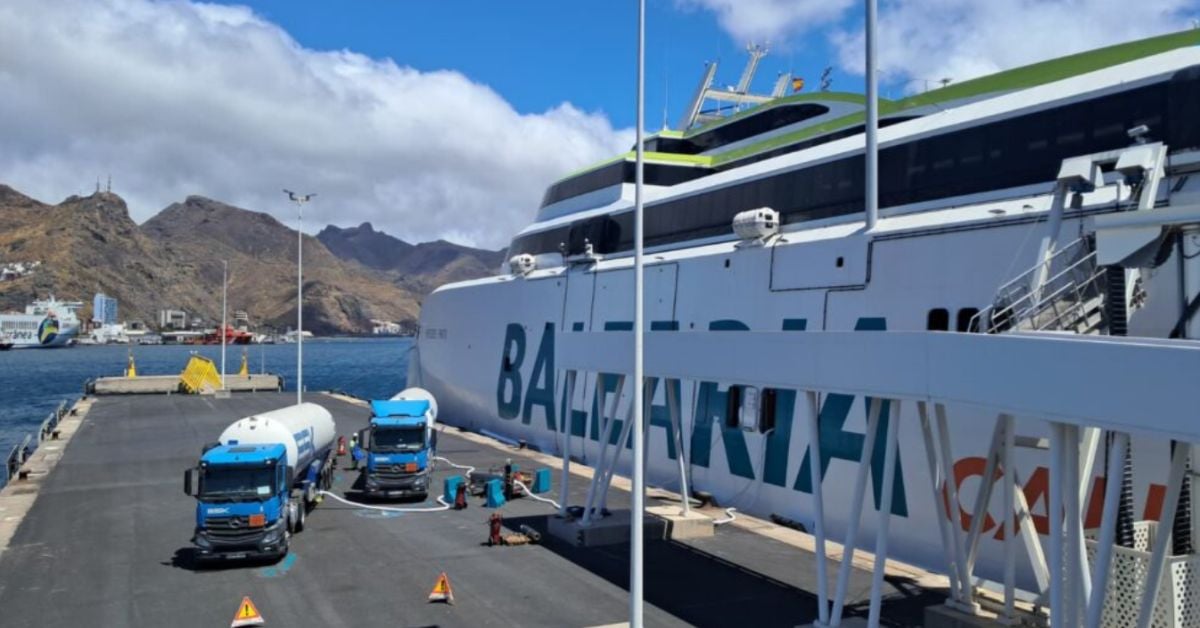
LNG Truck Refueling Marks Tenerife Port’s Sustainable Shipping Advance
Santa Cruz de Tenerife has completed its first ship refueling using liquefied natural gas delivered by tanker trucks, a measured step toward lower-emission port operations. This method integrates existing infrastructure with cleaner fuel logistics, demonstrating that incremental innovation matters. For readers tracking similar infrastructure milestones, our coverage of Paradip Port's designation as a Mega Port explores how ports worldwide are recalibrating for sustainable growth. Validated, real-world operations like this build the integrated data ecosystem we need to measure progress.
ICT Development's Role in Decarbonizing Global Maritime Transport
A new study confirms what we've long suspected: ICT development measurably reduces CO₂ emissions from maritime transport. Analyzing data across 111 countries, researchers found that digital infrastructure cuts emissions, but only up to a point. Beyond a certain scale of maritime activity, that benefit weakens. The threshold effect is a sobering reminder that technology alone cannot solve decarbonization. Strategy must scale with operations. For further context on maritime infrastructure growth, see our coverage of Paradip Port's designation as a Mega Port.
Ammonia Fuel's Nitrogen Impact: A New Challenge for Ocean Health
Ammonia fuel's reactive nitrogen footprint remains poorly characterized, even as maritime shipping races toward net-zero emissions by 2050. This review makes clear that emissions across the ammonia fuel value chain, from production leaks to combustion byproducts, could alter marine productivity, drive eutrophication, and harm biodiversity, with impacts varying sharply by region. It is a measured, empirical call for integrated lifecycle accounting. For deeper context on operational innovations, see our coverage of the world's first ship-to-ship ammonia bunkering milestone.
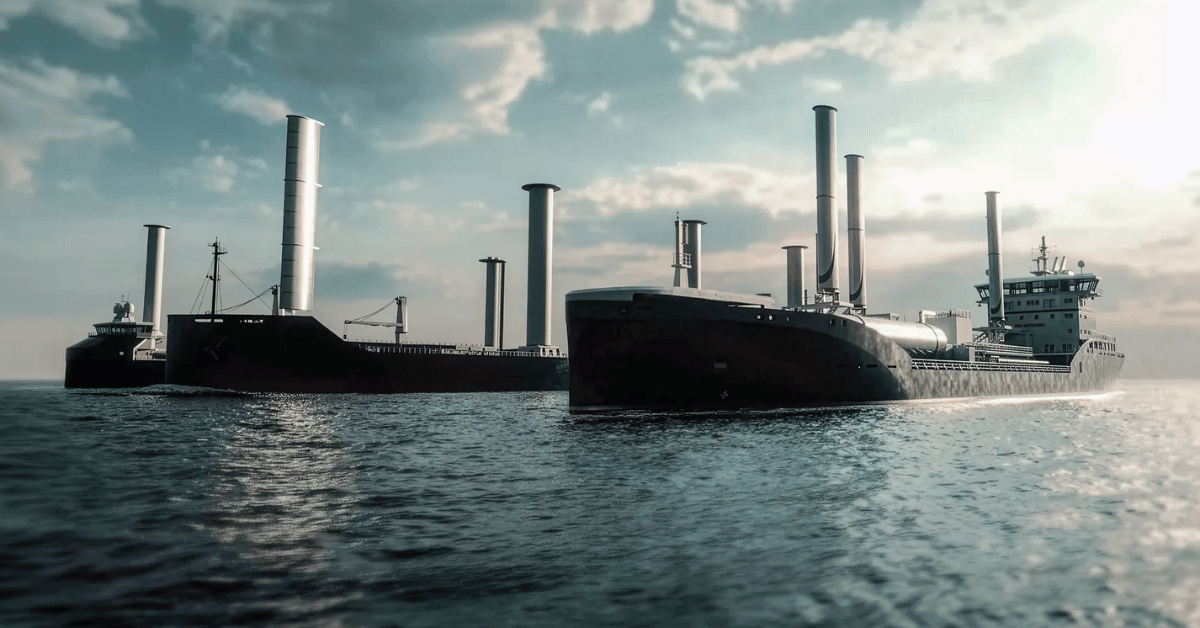
Wind-Assisted Shipping: Norway's Project Drives Fuel Efficiency and Emission Reduction
Norway's new NOK 68 million project treats wind as a measurable asset, not a romantic notion. Integrating wind propulsion directly into ship systems is a calibrated step toward validated fuel savings and real emission cuts. This is empirical progress, not hype. Understanding drives protection. For more on how integrated systems reshape ocean intelligence, see our coverage of "Integrated Subsea Cables Enhance Data Transmission Across the Indian Ocean."
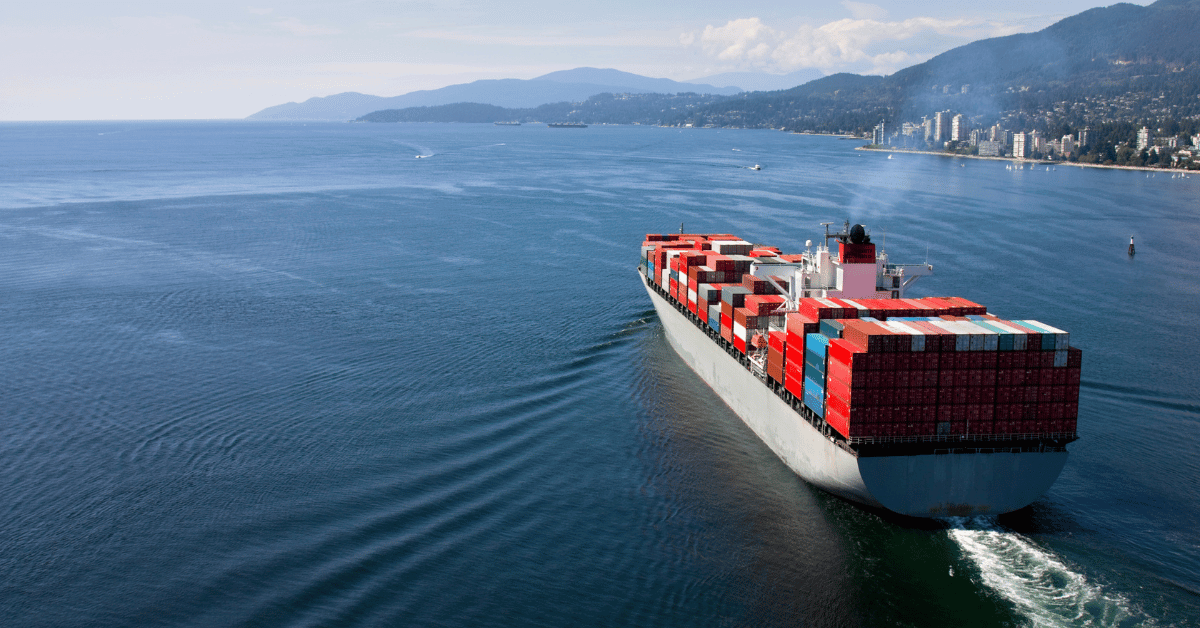
Verified Emissions Reduction: NORDEN and Microsoft Set Maritime Standard
The first verified maritime emissions reduction through the RSB Book & Claim registry is not just a technical achievement; it is a practical template for an industry learning to measure what matters. NORDEN and Microsoft have turned a contractual idea into a documented, peer-reviewed transaction, grounding climate action in data rather than declarations. This is how standards become habits. For more on how ports are optimizing their own integrated systems, see our coverage of terminal crane and truck coordination.
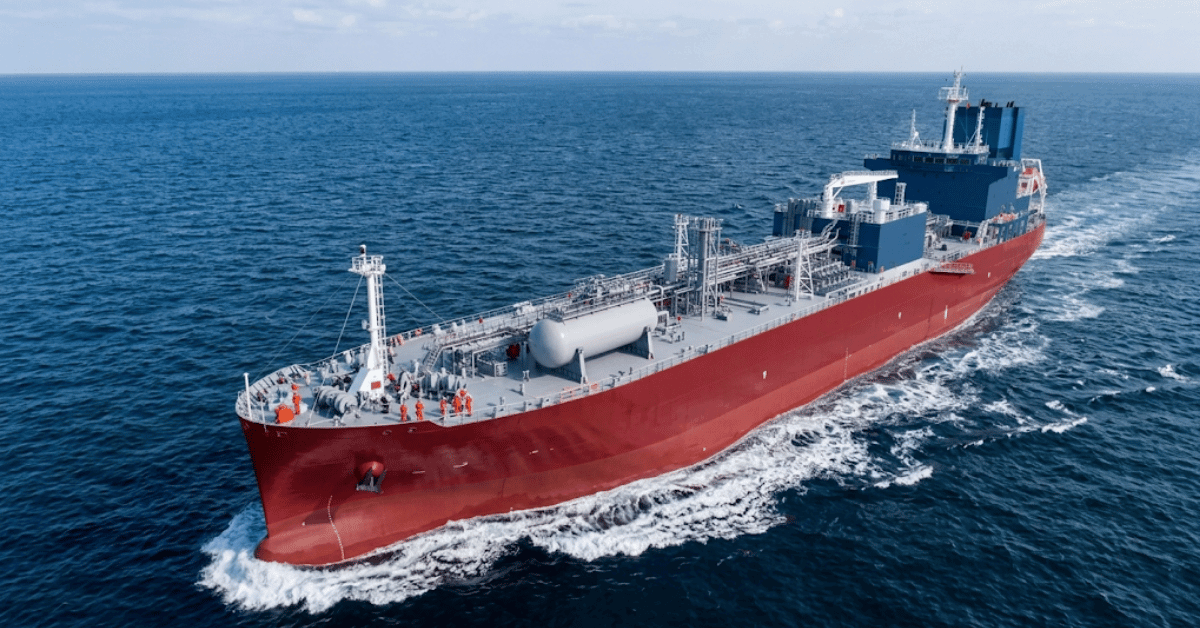
Validated Carbon Capture Offers Significant Emissions Reduction for Shipping.
Onboard carbon capture is no longer a distant concept. Lloyd's Register's latest analysis confirms that validated systems can deliver significant CO₂ emissions reductions for existing ships, offering a practical bridge while alternative fuel supply chains mature. That is a measured, credible step, not a silver bullet. The maritime sector needs every viable tool in the decarbonization toolkit, and this approach lets the current fleet act now.
Ports Navigate Shocks: Integrating ESG for Resilience in a Changing World
A one-round survey of 44 managerial and professional respondents from Ningbo Zhoushan Port Group has produced a competency framework that places systemic risk foresight above all else. The study's multi-criteria model, built on Lagrange multipliers and TOPSIS, offers a practical tool for decision-support in an era of climate volatility and geopolitical disruption. Understanding drives protection, and this framework gives ports a measurable way to integrate ESG into their core roles.
Modeling a Green Shipping Corridor for Sustainable Trade Growth
A 2.2% annual traffic growth rate sounds modest until it meets a decarbonization curve that will not bend. This study models a green shipping corridor linking Shanghai, Jebel Ali, and Koper, and the results are sobering: even with 23 mitigation measures and roughly 86% alternative fuel adoption, net-zero by 2050 remains out of reach. The bunkering stage, not the voyage, is where the system lives or dies. That is the actionable insight. Corridors are not routes; they are integrated transport-energy systems.
Charting a Course: Green Shipping Corridors Amid Global Tensions
Maritime shipping generates roughly 2.9% of global greenhouse-gas emissions, and green shipping corridors are emerging as targeted experiments in route-specific decarbonization. This paper examines a critical question: how do stakeholders sustain cooperation on a zero-emission corridor when geopolitical tensions threaten to derail progress? Focusing on the Los Angeles-Long Beach-Shanghai corridor from 2022 to 2025, the analysis introduces two concepts, institutional insulation and negotiated gradualism, that explain how bounded technical workstreams and mutual commercial interest keep collaboration alive.

Hydrogen Propulsion Advances Inland Shipping on China’s Rivers
China's inland shipping is entering a cleaner chapter with the launch of Yun Tao No. 1, the nation's largest hydrogen-powered cargo vessel. At 2,000 tons with a 760 km range, this ship is built for the Yangtze and Pearl River corridors, where practical decarbonization matters most. Hydrogen propulsion at this scale signals measurable progress, not just promise. For readers tracking parallel advances, our coverage of ammonia bunkering milestones offers useful context on how alternative fuels are reshaping maritime logistics.