DNV
7 stories filed under DNV on World Data Ocean. The newest of them: “Singapore Tops Global Maritime Index with Measurable Port Ecosystem Strength”, “Arctic Hunter uncrewed vessel proposed for Royal Navy anti-submarine operations”, and “Market Shift Retires the Economic Case Against Retrofitting Older Vessels”. Singapore tops the 2026 Leading Maritime Cities index with a measurable port ecosystem that strengthens global connectivity. Kongsberg Maritime's Arctic Hunter, an uncrewed vessel proposed for the Royal Navy's Type 92 anti-submarine requirement, brings measurable, real-time ocean intelligence to one of naval warfare's most demanding missions. A Global Hub for Ocean Intelligence 4 World Data Ocean is a centralized digital platform where researchers, scientists, and ocean enthusiasts converge to… The list below is every DNV story on World Data Ocean, newest first.

Singapore Tops Global Maritime Index with Measurable Port Ecosystem Strength
Singapore tops the 2026 Leading Maritime Cities index with a measurable port ecosystem that strengthens global connectivity. DNV and Menon Economics benchmark where maritime professionals find the strongest environment to operate and grow, and Singapore's integrated infrastructure delivers validated results. Understanding drives protection, and this empirical ranking clarifies which cities lead. For deeper coverage of maritime innovation, see our report on Kongsberg Maritime's Arctic Hunter uncrewed vessel proposed for Royal Navy operations.
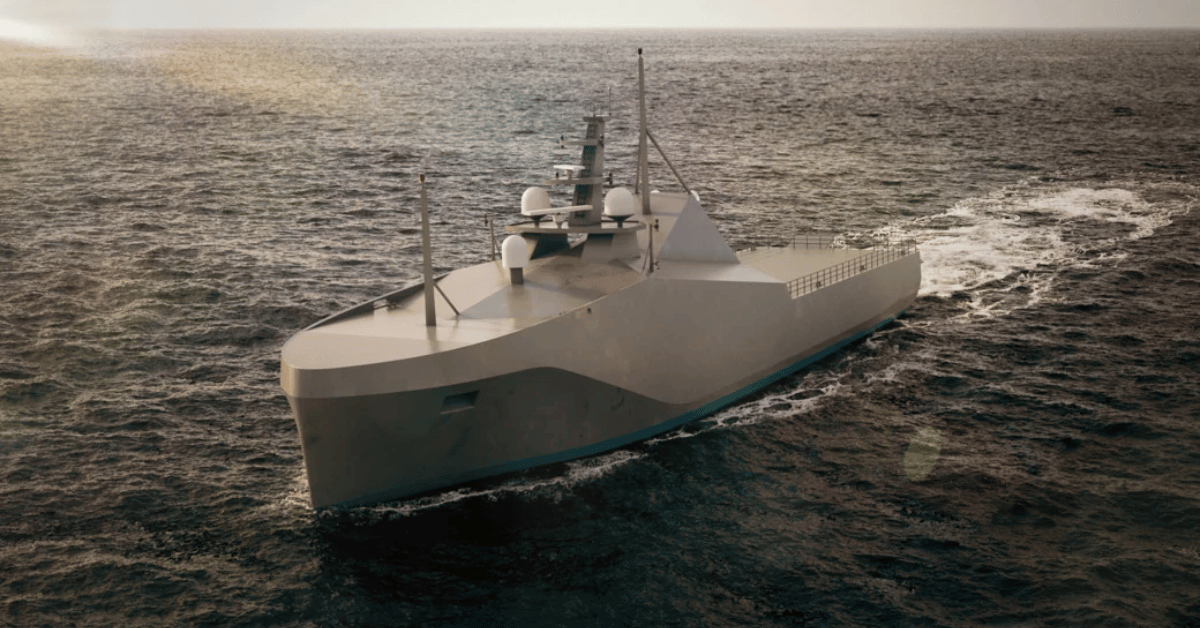
Arctic Hunter uncrewed vessel proposed for Royal Navy anti-submarine operations
Kongsberg Maritime's Arctic Hunter, an uncrewed vessel proposed for the Royal Navy's Type 92 anti-submarine requirement, brings measurable, real-time ocean intelligence to one of naval warfare's most demanding missions. This is not about replacing crews; it's about extending the reach of validated, integrated sensing into waters too dangerous or remote for manned operations. For context on how navies are pushing uncrewed capabilities, our coverage of the Royal Navy's Nyan Strike Drone test from HMS Queen Elizabeth offers a parallel thread.
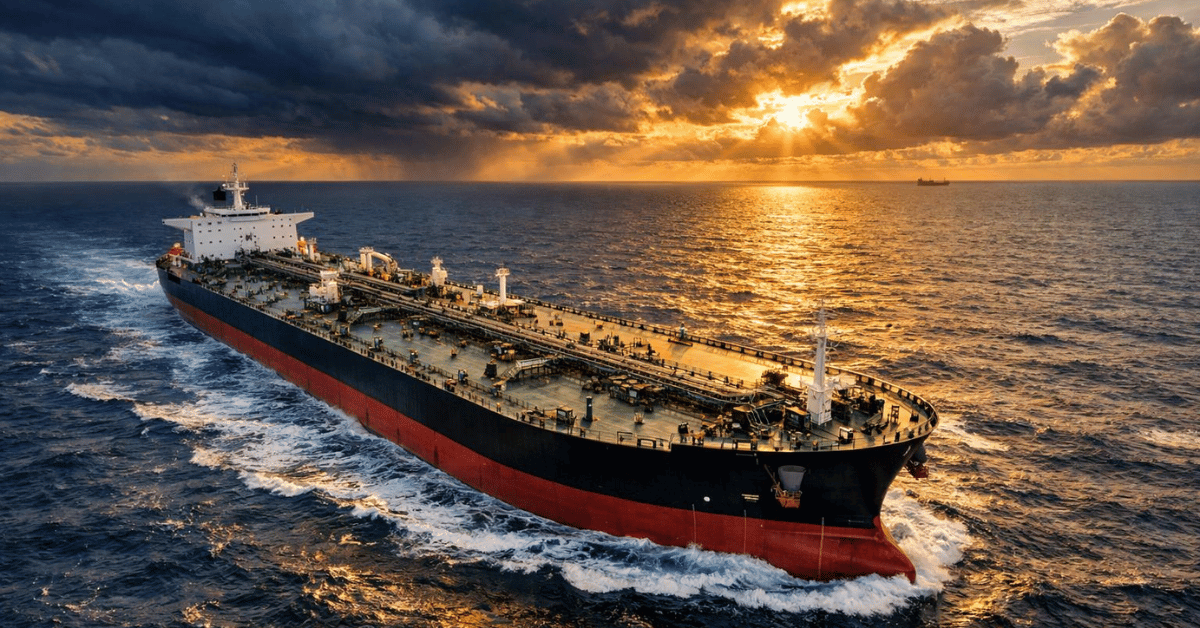
Market Shift Retires the Economic Case Against Retrofitting Older Vessels
A 15-year-old tanker now carries a higher market value than a brand-new vessel, a measurable shift that retires the economic case against retrofitting older ships. Owners have demolished their own favourite argument, and the data is clear: preserving and upgrading existing tonnage is no longer a compromise, but a validated strategy. For deeper context on evolving capacity dynamics, see *A Measured Shift in Maritime Capacity Signals Evolving Ocean Intelligence*.

Three classification societies set a new standard for maritime integrity
Three classification societies have joined the Maritime Anti-Corruption Network, setting a new standard for maritime integrity. ABS, DNV, and RINA are now MACN's first classification society members, strengthening collective action against corruption risks. This is a calibrated step toward measurable industry accountability. Integrity requires more than policy, it demands empirical, peer-reviewed collaboration across the maritime ecosystem. For deeper context on how classification societies are advancing maritime safety and sustainability, see our coverage of the *Singapore Hub Advances Digital Twins and AI for Ocean Decarbonisation*.
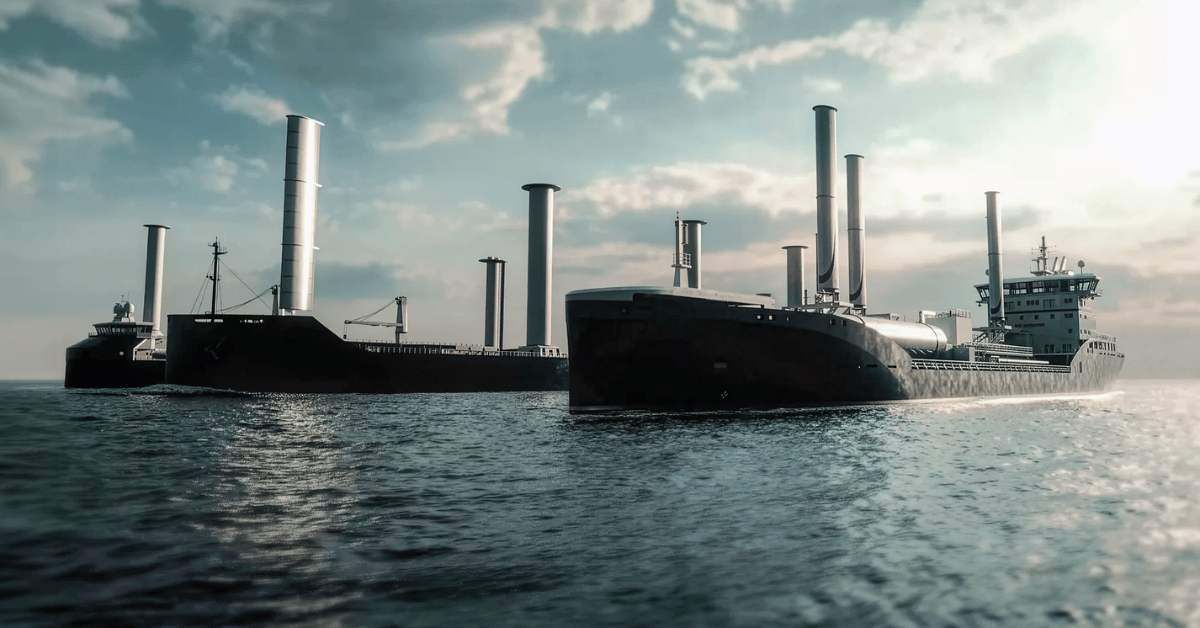
Wind-Assisted Shipping: Norway's Project Drives Fuel Efficiency and Emission Reduction
Norway's new NOK 68 million project treats wind as a measurable asset, not a romantic notion. Integrating wind propulsion directly into ship systems is a calibrated step toward validated fuel savings and real emission cuts. This is empirical progress, not hype. Understanding drives protection. For more on how integrated systems reshape ocean intelligence, see our coverage of "Integrated Subsea Cables Enhance Data Transmission Across the Indian Ocean."

India Charts Course for European Shipping Collaboration at SMM 2026
India's push for European shipping collaboration at SMM 2026 arrives as the sector confronts rising geopolitical and economic pressures. The gathering signals a deliberate move toward integrated maritime strategy, where shared data and calibrated responses matter more than unilateral action. This is not about optics; it is about building resilience. For those tracking the broader picture, our coverage of the bulk carrier freed near Gladstone offers a practical reminder of how operational challenges test that very resilience.

New Ice-Class Vessel Joins Global Shipping Fleet, Built to DNV Standards
A new 7,000 DWT ice-class vessel has entered the global fleet, engineered by Groot Ship Design and built to DNV classification standards. This is precisely the kind of measured, purpose-built advancement that keeps maritime trade both efficient and responsible. Ice-class capability is not a luxury; it is a calculated response to expanding polar routes and shifting climate realities. For deeper context on how ship design capabilities are evolving internationally, our coverage of Cochin Shipyard's recent design expansion with Conoship offers a useful parallel.