rotor sails
3 stories filed under rotor sails on World Data Ocean. The newest of them: “Stena Connecta hybrid ferry cuts fuel use by 9% with rotor sails on Irish Sea route”, “Six Rotor Sails Deliver Measurable Wind Propulsion to the World's Largest RoRo Vessel”, and “Wind-Assisted Shipping: Norway's Project Drives Fuel Efficiency and Emission Reduction”. A 9% reduction in fuel use on the Stena Connecta is a validated, measurable gain from rotor sail technology, but the more striking number may be the 40% increase in cargo capacity on the Belfast, Heysham route. A Global Hub for Ocean Intelligence 4 World Data Ocean is a centralized digital platform where researchers, scientists, and ocean enthusiasts converge to… The list below is every rotor sails story on World Data Ocean, newest first.
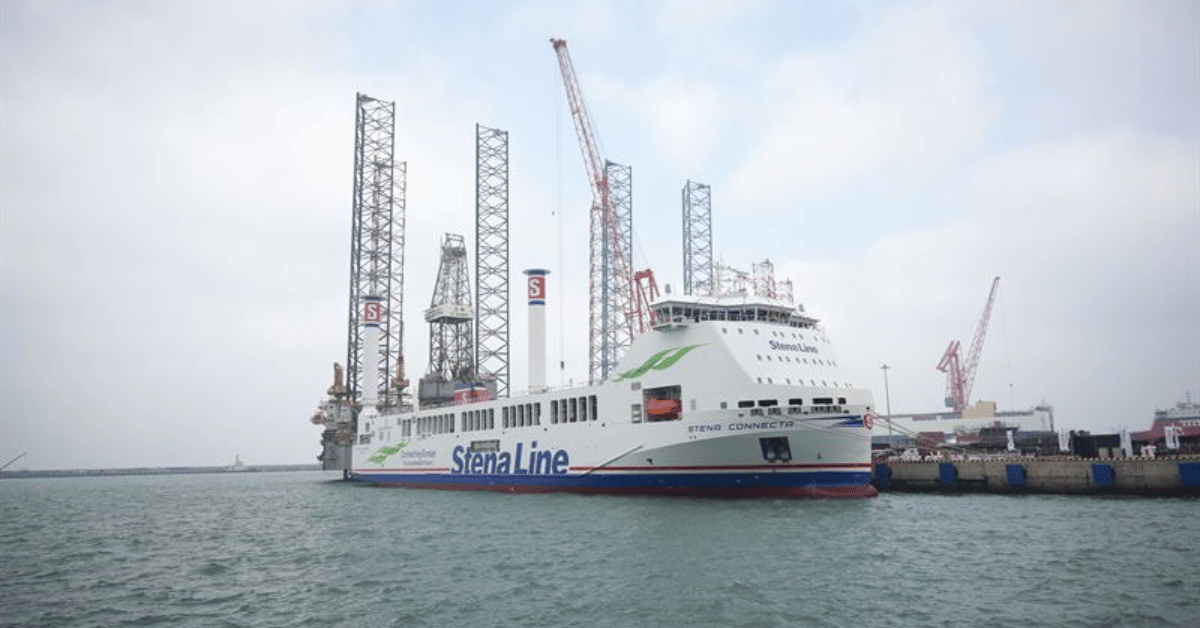
Stena Connecta hybrid ferry cuts fuel use by 9% with rotor sails on Irish Sea route
A 9% reduction in fuel use on the Stena Connecta is a validated, measurable gain from rotor sail technology, but the more striking number may be the 40% increase in cargo capacity on the Belfast, Heysham route. This hybrid ferry proves that operational efficiency and expanded trade need not be traded off. For another perspective on marine fuel transitions, see our coverage of India's potential as a regional hub in the new IMO competitiveness study.
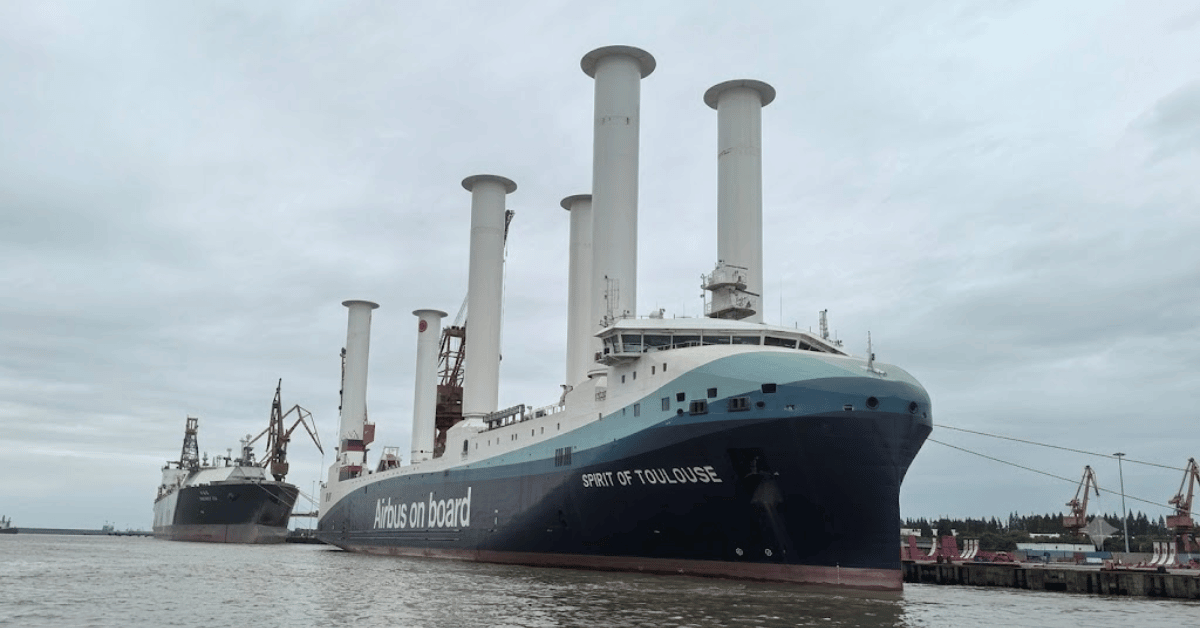
Six Rotor Sails Deliver Measurable Wind Propulsion to the World's Largest RoRo Vessel
Six rotor sails now propel the world's largest RoRo vessel. LD Armateurs and Norsepower have installed the technology on *Spirit of Toulouse*, delivering validated, measurable wind propulsion at commercial scale. This is not a pilot; it is an integrated system generating real-time fuel savings and verified emissions reduction. Wind propulsion works now. For deeper insight into wind-driven design innovation, see our coverage of Wallenius Marine's WinPrOVeDD program. Understanding drives protection.
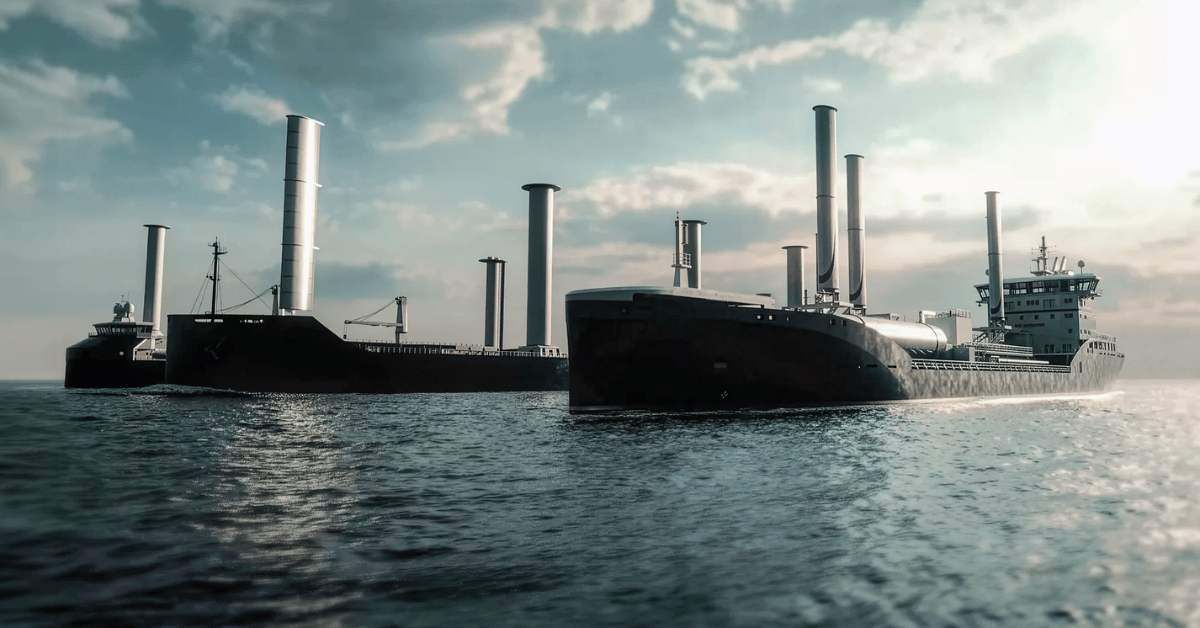
Wind-Assisted Shipping: Norway's Project Drives Fuel Efficiency and Emission Reduction
Norway's new NOK 68 million project treats wind as a measurable asset, not a romantic notion. Integrating wind propulsion directly into ship systems is a calibrated step toward validated fuel savings and real emission cuts. This is empirical progress, not hype. Understanding drives protection. For more on how integrated systems reshape ocean intelligence, see our coverage of "Integrated Subsea Cables Enhance Data Transmission Across the Indian Ocean."