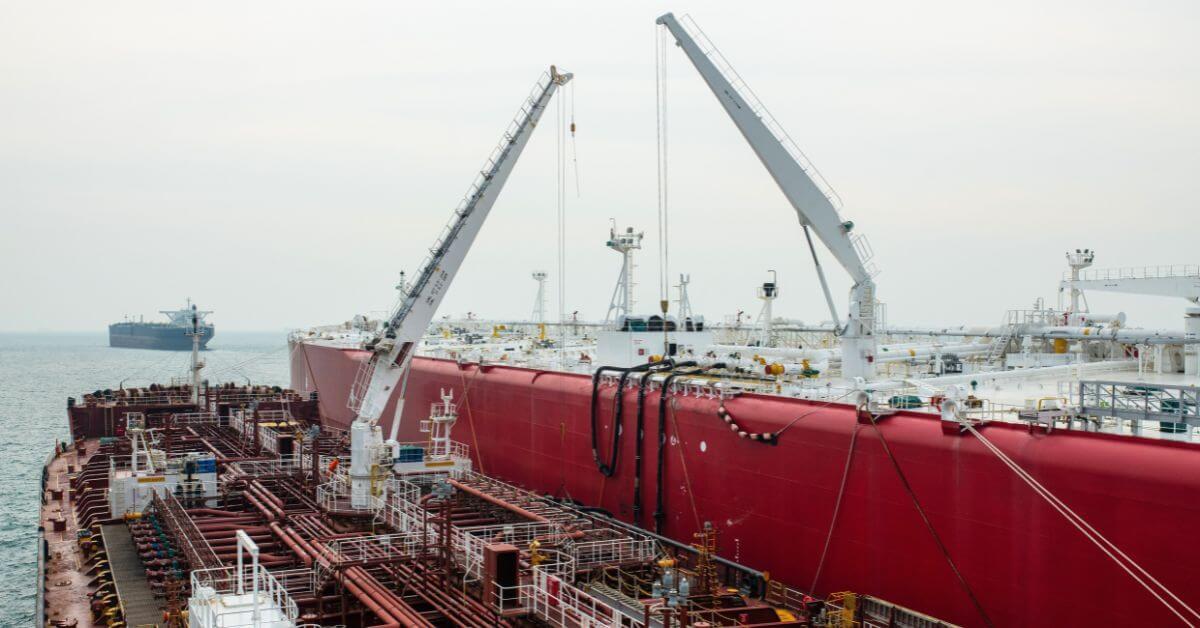
The coordinated interdiction of MT Global 168 off North Sumatra is a textbook example of how persistent intelligence analysis and inter-agency cooperation can dismantle sophisticated maritime drug trafficking networks. This seizure of 1.16 tonnes of ketamine, valued at roughly $192 million, demonstrates that the ocean is not an ungovernable void but a space that can be monitored and policed when agencies share data and act on it. For our readers, researchers, policymakers, and maritime security professionals, the operational details of this case offer a clear, practical playbook for disrupting the ship-to-ship transfers that have long been a favored tactic of transnational criminal syndicates in the Malacca Strait and Andaman Sea.
The key to this success was the combination of human intelligence and technical surveillance. Indonesian authorities tracked the tanker from its departure in Pasir Gudang, Malaysia, through its stop at Port Klang, and into the Andaman Sea. The vessel's automatic identification system (AIS) was switched off for three days and 17 hours, a deliberate act of concealment that investigators detected and exploited. This case reinforces what we have long argued about the importance of persistent monitoring: when a vessel goes dark, it is not a technical glitch but a signal. The fact that the tanker's identity was established through docking documents found aboard another seized vessel, the *Phu San Singharaj*, highlights how a single interdiction can create a cascade of intelligence that unravels entire networks. This is a concrete lesson for maritime authorities: every seizure is a data point that can be cross-referenced to reveal hidden links, much like the way Fake ship registries expose seafarers to risk and erode maritime accountability can obscure the true ownership and operational history of vessels.
The broader significance of this operation, however, extends beyond a single drug bust. Indonesian National Police chief General Suyudi Ario Seto noted that the country is no longer only a market for illegal drugs but is increasingly targeted as a production base. The simultaneous raid on a suspected methamphetamine factory in Aceh, seizing 1.2 tonnes of liquid and crystal meth and detaining 11 people, including two Chinese nationals, underscores this worrying evolution. This dual threat of trafficking and local production demands a more integrated response from all stakeholders in the maritime domain. The successful interdiction of the *Global 168* shows what is possible, but the parallel lab raid reveals the scale of the challenge. As we noted in our coverage of the Indonesian Authorities Seize Ketamine Cargo in Maritime Interdiction and Lab Raid, these cases are not isolated events but part of a systemic pattern that requires sustained, data-driven vigilance. The question that remains is whether the intelligence-sharing framework that made this seizure possible can be scaled and institutionalized to keep pace with the syndicates' evolving tactics. The answer will determine whether the Andaman Sea remains a highway for illicit cargo or becomes a monitored, accountable space.