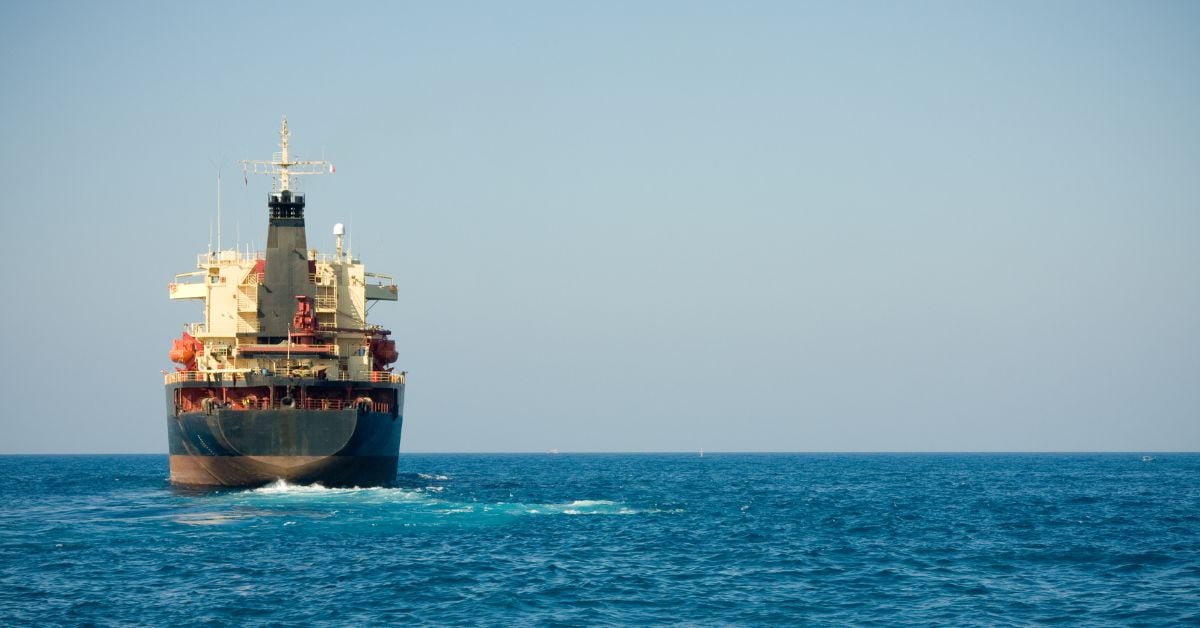
The scale of the Indonesian interdiction, 1.16 tonnes of ketamine from a tanker and 1.2 tonnes of liquid methamphetamine from a lab, validates what we have long measured: maritime routes are the backbone of transnational crime, and the ocean is the least monitored space on the planet. For our readers tracking ocean intelligence and security, this is not a law-enforcement sidebar; it is a direct signal that the same integrated data ecosystem we use to study climate indicators can and must be calibrated for maritime domain awareness. The fact that authorities began tracking the Mongolian-flagged tanker in August, after detecting irregularities in its Automatic Identification System, proves that empirical, real-time data works. But it also proves how much we still miss when AIS is the only tool in the water.
The seizure comes just two months after Indonesian authorities intercepted a ship carrying 1.3 tonnes of ketamine from Thailand, and roughly the same period in which they took 2.6 tonnes of liquid methamphetamine off Batam island. The pattern is measurable, and it is accelerating. The same waters that carry container ships and crude tankers now carry industrial-scale narcotics. The same straits that see Strait of Hormuz disruption strands thousands of seafarers amid mounting maritime threats are being exploited for ship-to-ship transfers of illicit cargo. The ocean does not distinguish between a legitimate shipping delay and a drug handoff; it simply records the movement. What we need is a peer-reviewed, longitudinal approach to tracking vessel behavior that goes beyond AIS gaps, one that integrates satellite observation, port-state data, and financial intelligence into a single, calibrated picture.
The laboratory raid in Aceh, with its links to syndicates in China, Malaysia, and the Golden Triangle, reinforces a point we have made before about the geography of illicit networks. They are not random; they follow the same corridors of global trade. The tanker, owned by a company in Johor Bahru and flagged in Mongolia, illustrates how the maritime industry's fragmented regulatory framework creates seams that traffickers exploit. Our readers, whether policymakers or researchers, should see this as a concrete challenge to the concept of an integrated data ecosystem. We can measure ocean temperature, acidity, and current with growing precision. We can measure extreme poverty reduction, as Indonesia has, with progress that Measured progress: Indonesia's extreme poverty reduction mirrors China's rapid gains. But we cannot yet measure the full movement of illicit cargo through the same ocean. That gap is not a technical failure; it is a policy choice.
The open question that matters most is the one investigators are now pursuing: the financial networks behind both operations. Drug shipments of this volume do not move without sophisticated logistics, insurance, and money laundering. The tanker's AIS irregularities were caught, but who paid for the fuel, the crew, and the port fees? Tracing that capital flow is the next frontier of ocean intelligence. For now, the concrete takeaway is this: Indonesia's success in these two operations is a demonstration of what is possible when authorities use the data already available. The challenge is scaling that capability across the entire maritime domain, before the next shipment reaches the Andaman Sea.