false flag
5 stories filed under false flag on World Data Ocean. The newest of them: “Baltic Sea Operation Targets Russia-Linked Cargo Ship Near Gotland Coast”, “Arctic LNG 2 vessel detained in Norway after weather shelter inspection”, and “Maritime Security: Inspections Target Vessels Suspected of Shadow Fleet Activity”. Swedish special forces have boarded a dry cargo ship linked to Russia near the northwestern coast of Gotland, adding a sharp operational edge to the growing tension around maritime infrastructure in the Baltic Sea. A Global Hub for Ocean Intelligence 4 World Data Ocean is a centralized digital platform where researchers, scientists, and ocean enthusiasts converge to… The list below is every false flag story on World Data Ocean, newest first.
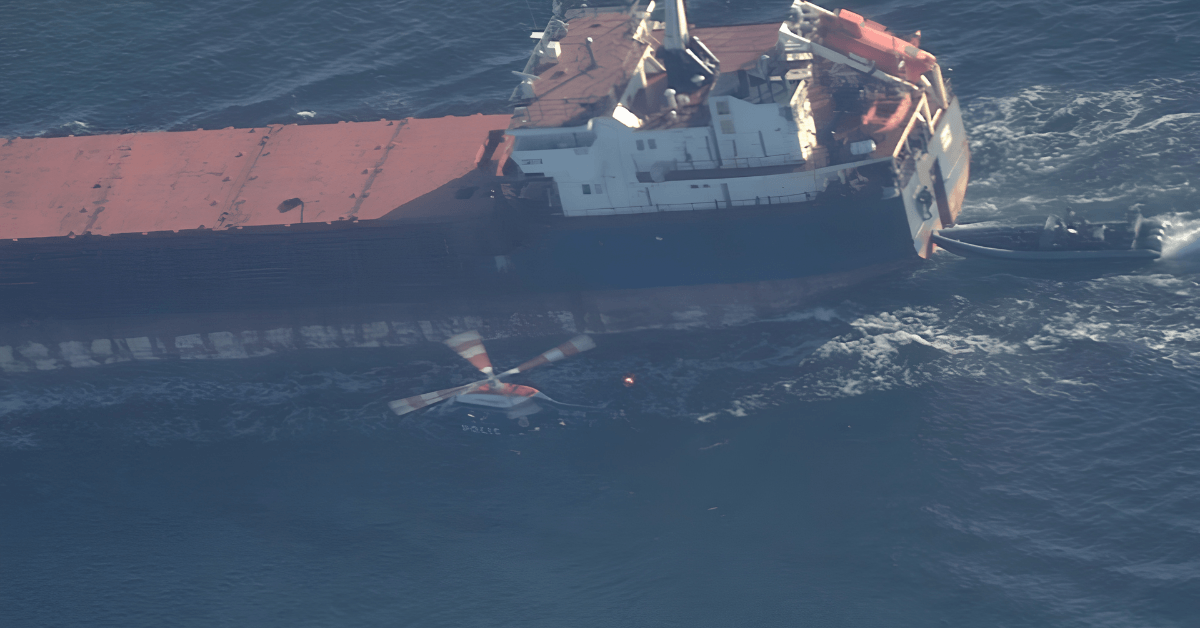
Baltic Sea Operation Targets Russia-Linked Cargo Ship Near Gotland Coast
Swedish special forces have boarded a dry cargo ship linked to Russia near the northwestern coast of Gotland, adding a sharp operational edge to the growing tension around maritime infrastructure in the Baltic Sea. This is not a drill. The action underscores how state-aligned commercial vessels are increasingly viewed as vectors for hybrid threats. For deeper context on the vulnerability of global shipping and data routes, see our coverage of undersea cable security.
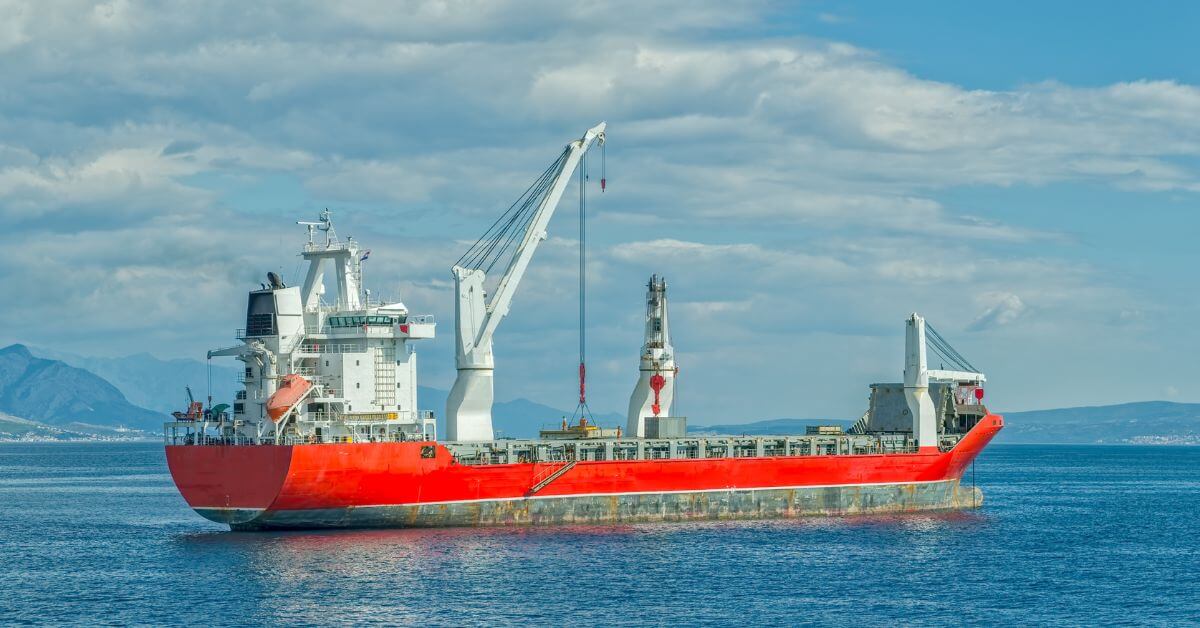
Arctic LNG 2 vessel detained in Norway after weather shelter inspection
A vessel linked to the Arctic LNG 2 project was detained in Norway this week after a weather shelter inspection. Inspectors boarded the ship in Andfjorden, off the Vesterålen Islands, following its decision to seek refuge from rough conditions. The detention underscores the growing scrutiny around Arctic energy infrastructure and its operational risks. For a deeper look at how real-world conditions test theoretical marine engineering, see our related piece, "Theory Meets Engine Room in Marine Engineering Knowledge."
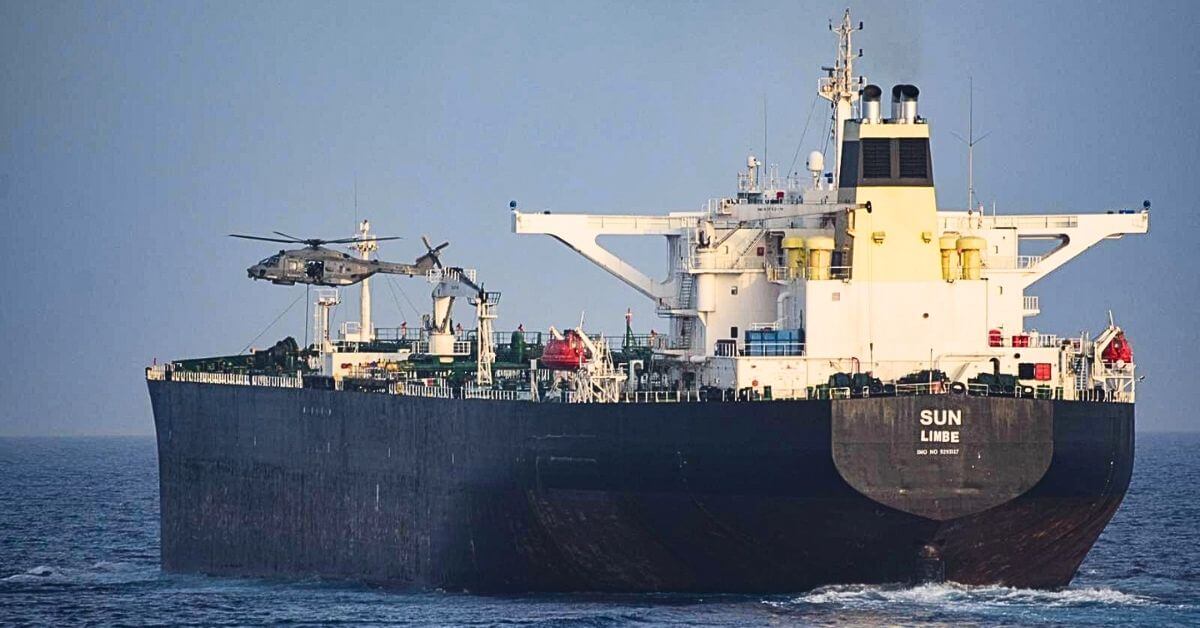
Maritime Security: Inspections Target Vessels Suspected of Shadow Fleet Activity
Maritime authorities from France, Sweden, Belgium, and Britain have boarded or seized vessels suspected of shadow fleet activity, tightening the net on opaque operations in European waters. These inspections signal a calibrated, intelligence-led response to a threat that hides in plain sight. Enforcement like this is how rules endure. For a closer look at how maritime incidents unfold under pressure, see our coverage of the cargo ship fire near Mykonos. Vigilance, measured and consistent, remains the anchor of ocean security.

Caffa Transfer to Ukraine Confirmed: Swedish Court Ruling in Grain Case
A Swedish court has confirmed the transfer of the Caffa to Ukraine, ending the vessel's detention by authorities in March 2026. The 96-metre general cargo ship, with a deadweight capacity of 4,337 tonnes, now moves under Ukrainian control following a ruling in a grain-related case. The decision is a measured legal step, one that underscores how maritime disputes intersect with broader geopolitical realities. For context on regional port disruptions, see our coverage of strikes targeting vessels and infrastructure.

Mediterranean Vessel Interception Raises Geopolitical Tensions and Maritime Concerns
The Mediterranean has become a flashpoint where a single vessel interception escalates into a geopolitical statement, and Russia's dismissal of such actions as "piracy" sharpens the divide. President Vladimir Putin's characterization frames maritime law enforcement as provocation, yet the practical risks to shipping lanes remain underexplored. This incident is not isolated; it echoes broader patterns of naval tension, much like the recent strikes on port infrastructure in confirmed military action.