Singapore
Singapore at World Data Ocean is a file of 12 stories. The newest of them: “Singapore's economic rise measured in validated per capita gains since 1960”, “New data-sharing accord strengthens transnational ocean intelligence for the Strait of Singapore”, and “Integrated Response Saves 25 Seafarers After Container Ship Distress”. Singapore's economic transformation is measured in validated per capita gains. The Strait of Singapore now has a stronger foundation for shared ocean intelligence, thanks to a new data-sharing accord signed during the 12th Singapore-Brunei Young Leaders' Programme. A Global Hub for Ocean Intelligence 4 World Data Ocean is a centralized digital platform where researchers, scientists, and ocean enthusiasts converge to… The list below is every Singapore story on World Data Ocean, newest first.
Singapore's economic rise measured in validated per capita gains since 1960
Singapore's economic transformation is measured in validated per capita gains. Since 1960, GDP per capita has climbed from one-third of Western Europe's level to twice as much. This is not a story of luck, but of calibrated, long-term policy. Understanding such measurable progress matters. For deeper context on global inequalities, see our related work on cooling access divides measured across climate indicators.
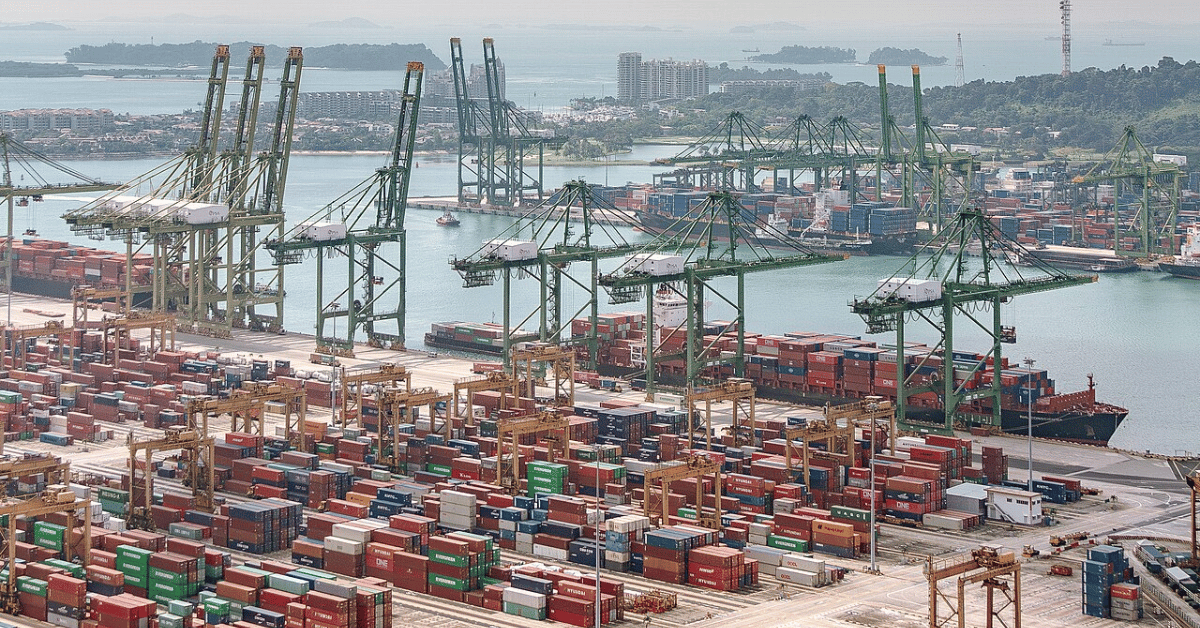
New data-sharing accord strengthens transnational ocean intelligence for the Strait of Singapore
The Strait of Singapore now has a stronger foundation for shared ocean intelligence, thanks to a new data-sharing accord signed during the 12th Singapore-Brunei Young Leaders' Programme. This MOU is a measured but meaningful step, it formalizes what integrated science demands: transnational cooperation on climate indicators and real-time maritime data. Understanding drives protection, and this agreement puts that principle into action. For related coverage on maritime alignment, see our piece on "Two Navies, One Port."
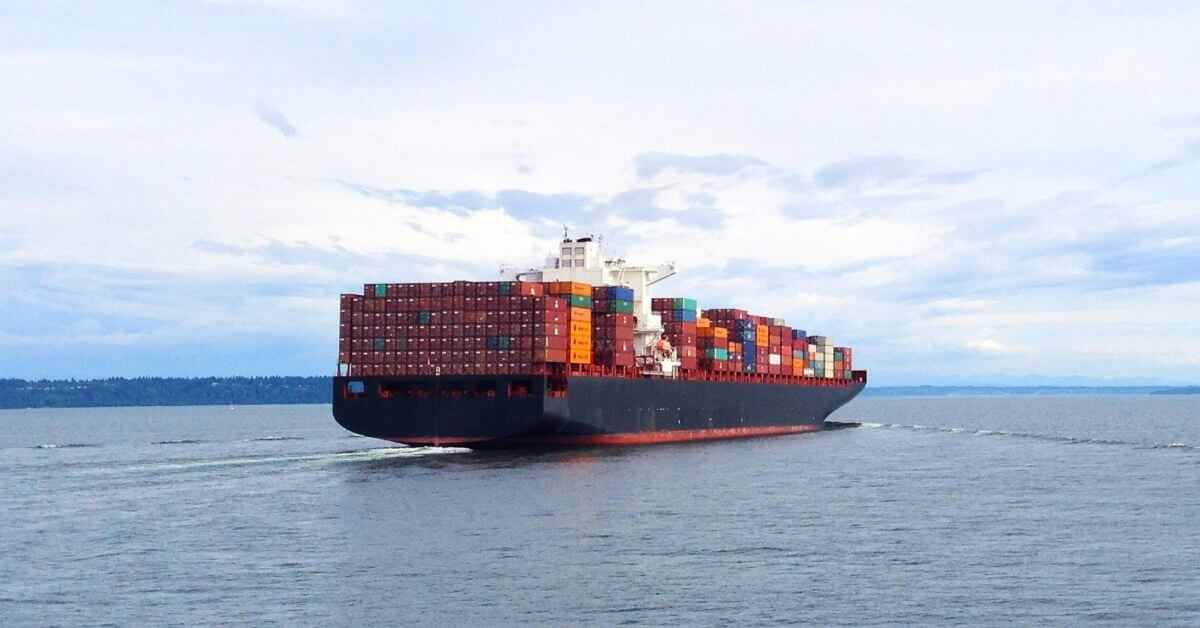
Integrated Response Saves 25 Seafarers After Container Ship Distress
Twenty-five seafarers are safe today after the Liberia-registered container ship MSC Hermes III issued a distress alert and triggered an integrated response. The rescue speaks to what measured coordination can achieve when every minute carries weight. These are the outcomes that matter most, measured in lives returned safely to shore. For deeper context on similar maritime emergencies, our coverage of the bulk carrier grounding near Gladstone offers a parallel look at response challenges. The ocean demands precision; this operation delivered it.
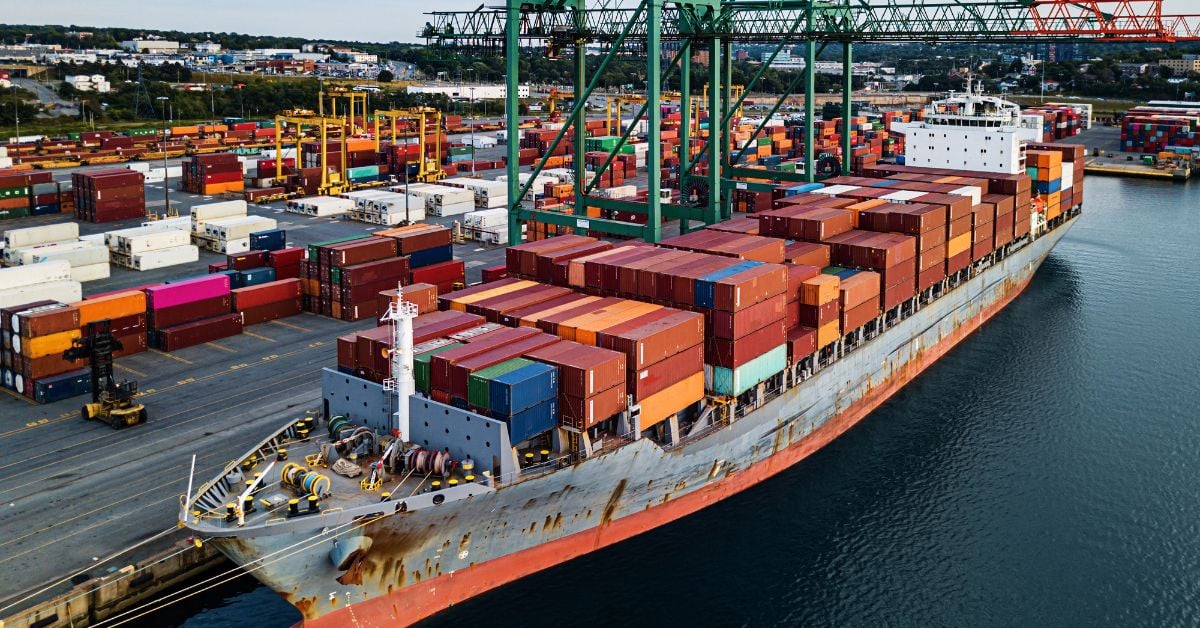
Strategic Automation: Smaller Ports Achieve Efficiency Incrementally.
A single gate. One system. A single problem solved. That is how smaller ports are approaching automation, and it is working. Incremental change delivers measurable gains without the risk of a full-scale overhaul. This pragmatic path matters as global trade shifts. For context on how much is at stake, China's record port activity shows the pressure building elsewhere. But here, the focus stays local. Strategic automation is not about doing everything at once. It is about starting, calibrating, and building real momentum from validated progress.
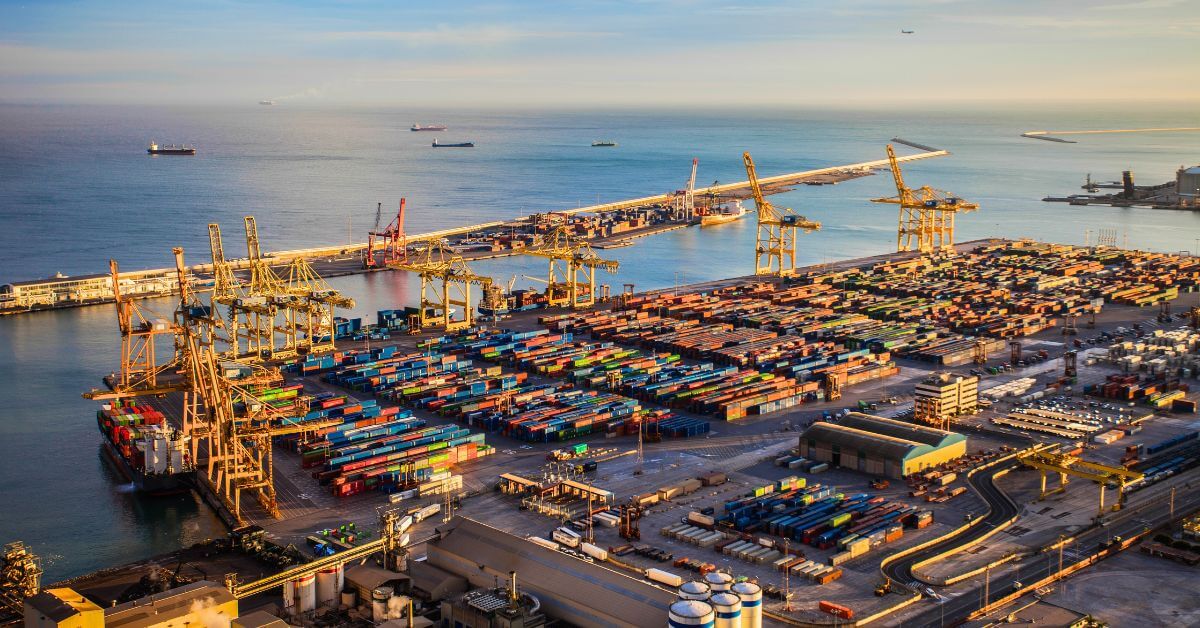
Asian Port Congestion Impacts Global Vessel Reliability.
In July, congestion across Asia's 14 busiest ports drove a measurable decline in global vessel reliability. This is not an abstract metric; it is a concrete signal of how tightly interwoven our logistics and ocean health truly are. When ports stall, the ripple effects are immediate and empirical. We track these shifts because they reveal systemic pressures. For context on maritime resilience, our coverage of the *Integrated Response Saves 25 Seafarers* highlights how crews navigate such volatile conditions.
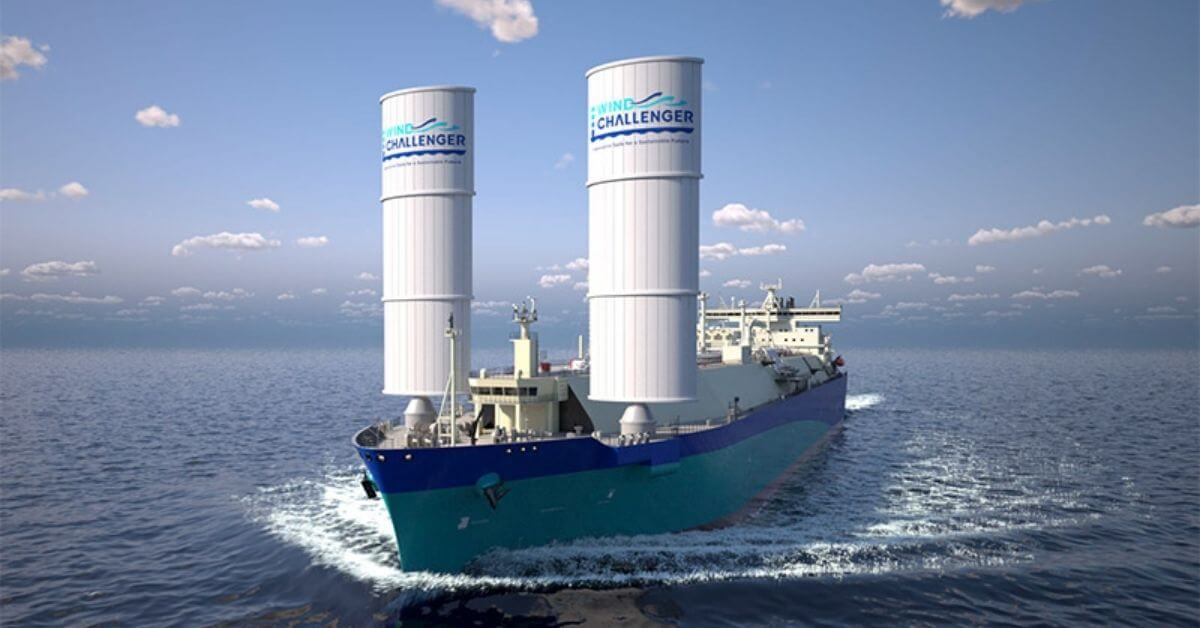
Integrated Vessel Management Bolsters Safety Across MOL's Fleet
MOL's decision to consolidate management of over 200 vessels under MOLGSM signals a firm commitment to operational rigor across the fleet. Centralizing oversight under one banner should sharpen accountability and streamline safety protocols, which is exactly the kind of integrated thinking the industry needs. It is a practical move, grounded in structure rather than spectacle. For readers tracking how operational efficiency intersects with design innovation, our piece on LNG carrier optimization offers a useful counterpoint.

Securing Vital Sea Lanes: Commitment to Straits of Malacca and Singapore.
The Straits of Malacca and Singapore carry a third of global maritime trade, and their security is not negotiable. Indonesia, Malaysia, and Singapore have now made that priority explicit, committing to keep these vital sea lanes open for all nations. This is a calibrated, practical move that reinforces stability where it matters most. For readers tracking how regional infrastructure evolves, our related piece on integrated subsea cables enhancing Indian Ocean connectivity offers useful context.

Maritime Trade Under Scrutiny: Singapore Authorities Intervene in Suspected Fuel Deal
Maritime Trade Under Scrutiny: Singapore Authorities Intervene in Suspected Fuel Deal Singapore's Police Coast Guard officers arrested nine men, aged 25 to 54, during a check on a tugboat in waters off Tuas, where a suspected fuel deal drew official attention. The intervention underscores the quiet vigilance required to keep maritime commerce credible. Enforcement actions like this matter because they protect the integrity of trade routes that depend on trust.

Vietnam Resumes Direct Diesel Imports from India Amid Duty Reduction
Vietnam's decision to cut its most-favoured-nation import duty on diesel from 7% to zero, extended until September 30, 2026, signals a calculated move toward energy cost stability. Resuming direct imports from India reflects practical diversification, not just policy adjustment. This is the kind of measurable, real-time shift that matters for regional trade flows. For readers tracking maritime and logistics implications, our related piece on India's approved seafarer welfare hub at Mormugao Port offers useful context on the broader India, Vietnam corridor.

Missing Trainee: Search Underway for Indian Officer Aboard Mitsui OSK Vessel
A search is underway for an Indian deck officer trainee reported missing from a Mitsui O.S.K. Lines car carrier since Wednesday. The situation underscores the human element in commercial shipping, where even routine voyages carry inherent risk. We are monitoring developments closely. For context on the broader maritime security landscape, our recent coverage of U.S. Coast Guard interdictions highlights the ongoing challenges at sea. Our thoughts are with the trainee's family and crew during this difficult time.

Subsea Cable Faults Prompt Australian Investigation of Potential Damage
Two subsea communication cables off Perth have failed in quick succession, and Australia's Federal Police is now assessing a report of criminality. That is a serious step, and it signals that authorities are not treating this as routine infrastructure strain. Sabotage is not confirmed, but the pattern warrants scrutiny. Vessels transiting these corridors have become a known risk, as recent coverage of Russian drone activity in the Mediterranean reminds us.
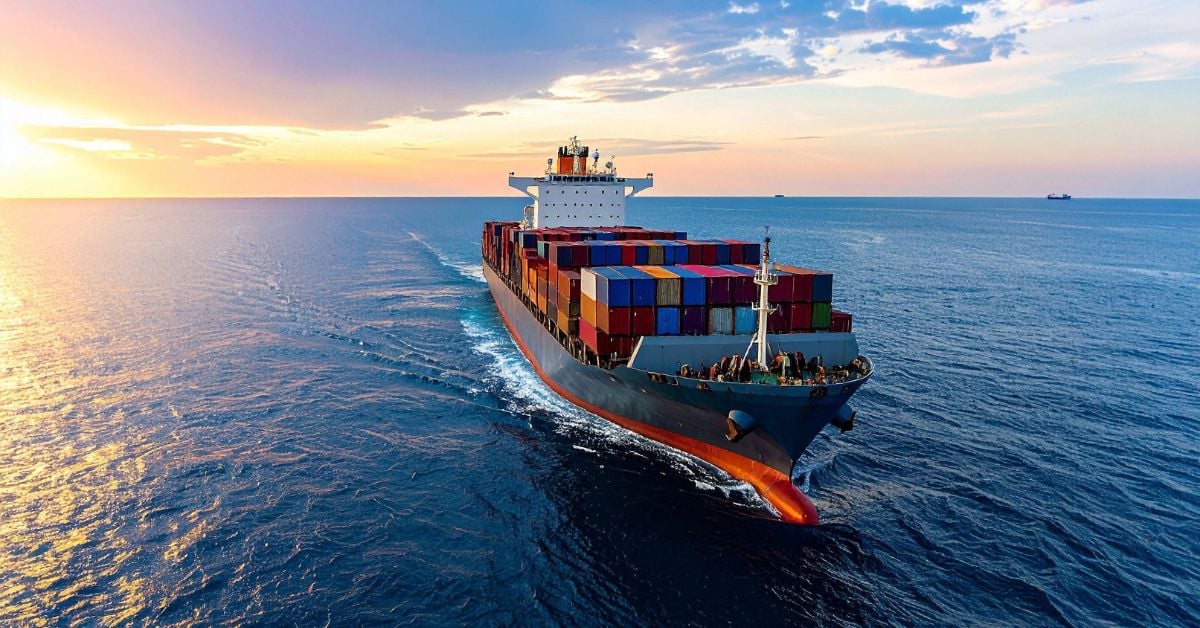
Brazilian Ethanol Powers First Container Ship, Marking Sustainable Shipping Advance
The first container ship powered by Brazilian-made ethanol departed Santos early Tuesday, a practical step toward decarbonizing maritime trade. This is not a distant concept; it is a working vessel, fueled by a biofuel already produced at scale. The move signals that cleaner shipping is not limited to batteries or ammonia, but can also build on established agricultural strengths. For related context on how marine routes are being redrawn, see our coverage of integrated subsea infrastructure shifts enhancing Indian Ocean connectivity.