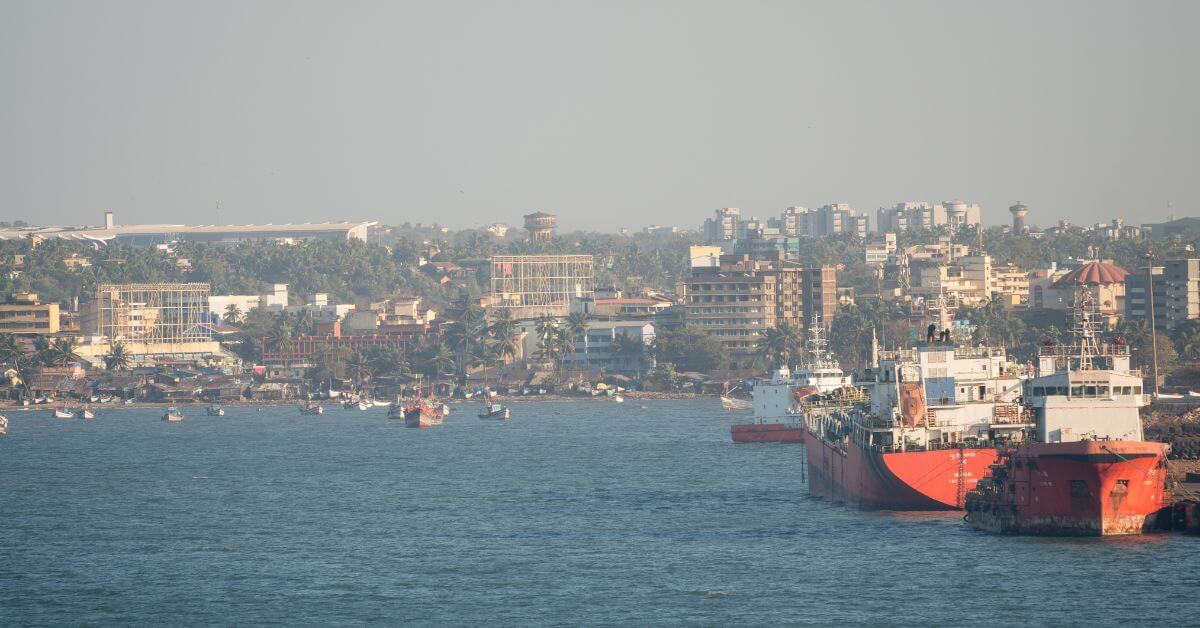
India's decision to relax ship age norms is a pragmatic response to a real vulnerability, but it carries risks that demand rigorous oversight. By allowing vessels above 20 years into its flag registry and removing the exit age for Indian-flagged ships, the government is choosing fleet growth over the strict age limits it imposed just months ago. The logic is clear: India relies heavily on foreign carriers for crude oil, natural gas, and other commodities, and the recent Strait of Hormuz tanker incidents add new risk to global oil markets underscore how quickly supply chains can be disrupted. More domestic tonnage means more control when those disruptions hit. But the measured nature of this shift matters. Older oil tankers, general cargo ships, and offshore vessels must now pass through a five-member committee that assesses quality and technical condition on a case-by-case basis. Oil tankers aged 15 to 20 years face additional Condition Assessment Programme requirements. These are not blanket approvals; they are calibrated exceptions.
For readers tracking maritime policy and climate indicators, the practical consequence is this: the safety and environmental integrity of India's expanded fleet will depend entirely on the rigor of that committee and the CAP ratings it enforces. The same government that issued DGS Order 01 of 2026 in January, restricting older vessels, has reversed course in less than a year. That speed raises questions about consistency, but it also reflects a willingness to adapt when global conditions shift. Shipbuilders opposed the relaxation, warning it could undermine plans to build more ships domestically. That tension is real. India wants both a larger flagged fleet and a stronger shipbuilding industry, and those goals can conflict when cheaper secondhand vessels reduce the incentive to order new ones. Yet the government has stated that safeguards will protect safety, environmental standards, and international compliance. Those words need to be backed by transparent, empirical enforcement.
What this means for the broader ocean intelligence picture is that an aging fleet operating under a single flag introduces new variables into shipping emissions, accident risk, and maritime monitoring. Older ships tend to have higher fuel consumption and less efficient hull designs, which can affect climate indicators tied to the sector. The recent calibrated course correction of less than 1% fuel cost protects whale sharks shows that even small operational changes can yield measurable environmental benefits. That same logic applies here: the difference between a well-maintained 25-year-old tanker and a poorly maintained one is not age alone, it is the quality of oversight. India's policy shift is defensible, but only if the committee exercises real scrutiny and if CAP ratings are enforced as a floor, not a suggestion.
The specific detail to watch is the composition and track record of that five-member committee. Will its decisions be published and peer-reviewed in any meaningful way? Will the CAP ratings for older tankers be made available to port states and insurers? Without transparency, the relaxation risks becoming a loophole rather than a strategic adjustment. India has chosen to prioritize tonnage access over age-based restrictions. That choice is understandable, but it places a heavy burden on the regulatory framework to deliver on its promises of safety and environmental protection. The fleet will grow. The question is whether the data to validate that growth will be shared openly enough for the global maritime community to trust it.