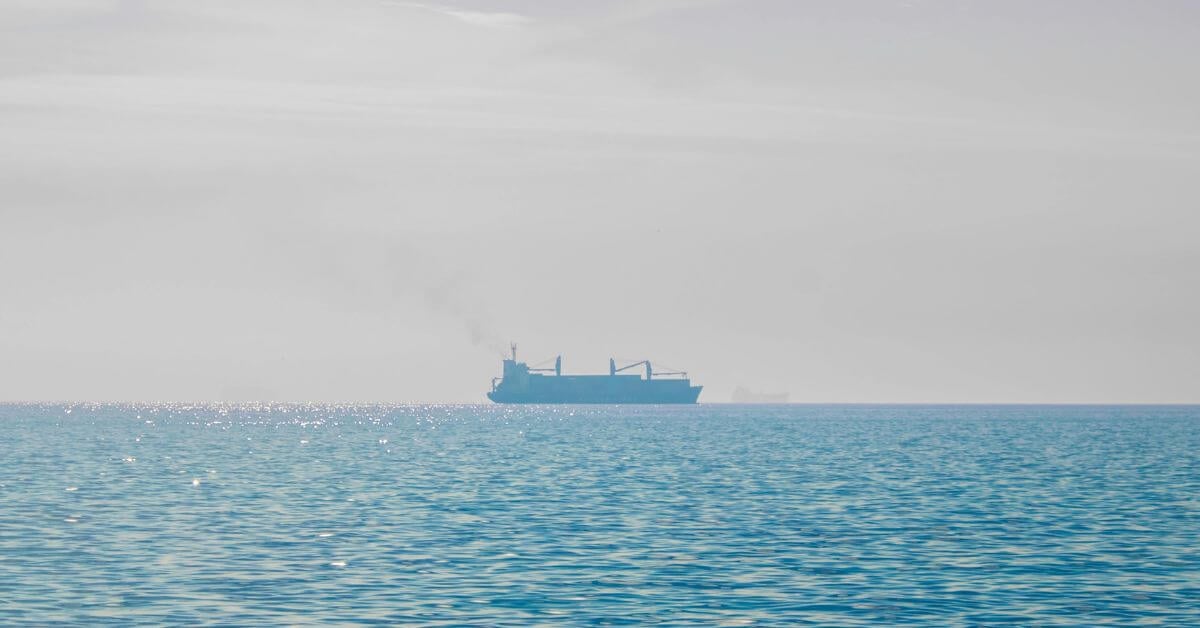
A fire on an unidentified vessel 63 nautical miles southeast of Al-Faw, with crew status, damage, and environmental impact all unknown, is not just a gap in a shipping report, it is a failure of ocean intelligence. The United Kingdom Maritime Trade Operations has received multiple third-party reports of the incident, yet cannot name the vessel, confirm the crew's condition, or state whether the fire resulted from an attack, an accident, or mechanical failure. In an era when we deploy autonomous platforms for persistent surveillance, as Sweden has done with four Saildrones for a year-long Baltic Sea watch in Sweden Deploys Four Autonomous Saildrones for Year-Long Baltic Sea Watch, the fact that a burning ship in one of the world's most monitored waterways remains a ghost vessel is unacceptable.
This incident underscores a critical gap between the data we collect and the data we share. The International Maritime Organisation recorded 120 vessel incidents in the Strait of Hormuz and the Middle East as of October 22, yet the details of this particular fire, vessel name, type, time of occurrence, cause, are absent from public reporting. A separate vessel, Soyia, was attacked off Al-Faw on October 20, but we cannot yet connect these events. This is precisely the kind of situation where an integrated data ecosystem, built on peer-reviewed and real-time information sharing as outlined in Four pathways to a shared data ecosystem for ocean industry, would transform speculation into actionable knowledge. Without validated, empirical data, authorities and operators are left navigating blind.
For our readers, researchers, policymakers, mariners, the practical takeaway is direct: the absence of information is itself a risk vector. The UKMTO has advised vessels to transit with caution and report suspicious activity, but caution is not a substitute for calibrated situational awareness. When a ship burns 63 nautical miles from a major port like Al-Faw, and the response is a classified "suspicious activity" notice with no further data, every operator in the region must assume the worst while lacking the evidence to plan for it. The collision in Bremerhaven that grounded cruise plans and highlighted maritime risk, detailed in Collision in Bremerhaven Grounds Cruise Plans and Highlights Maritime Risk, was at least a known event with known damage. Here, we have neither.
The single question that will define the next 48 hours for this incident is whether the fire was accidental or deliberate. An attack would signal a shift in threat patterns near Al-Faw, a port town that sits at the approaches to Kuwait and Iran, where several maritime security incidents have already been reported since late February. An accidental fire would still demand scrutiny of safety protocols on unidentified vessels transiting a high-risk zone. Either way, the crew's condition, still unconfirmed, is the human variable that cannot be left as a footnote. We will watch for the vessel's name to surface, because naming is the first step toward accountability, and accountability is the only path to measurable improvement in ocean safety.