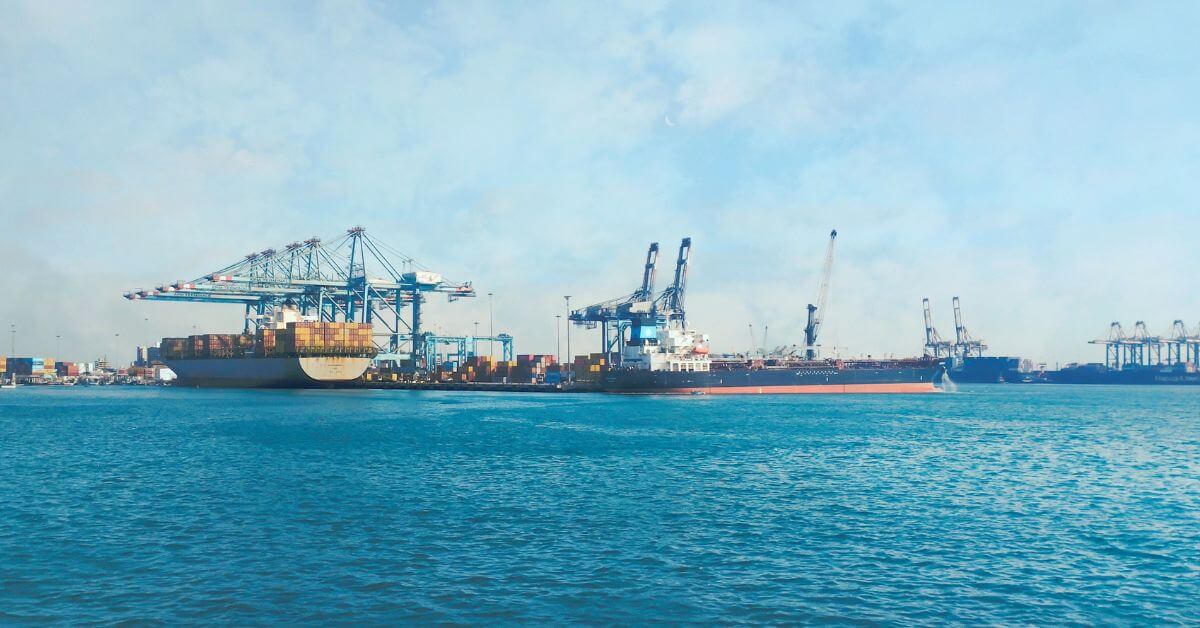
Understanding drives protection. The collision of TUI Cruises' *Mein Schiff 3* in Bremerhaven is not merely a logistical failure or a headline about a delayed holiday; it is a calibrated, real-world signal that maritime operations remain dangerously exposed to environmental forces we can measure but not control. When a vessel carrying nearly 3,500 people is pushed into two container ships by a gust of wind during an active storm warning, the question is not whether the captain met his duty of care, it is whether our integrated data ecosystems are yet robust enough to prevent such predictable failures.
This incident echoes a pattern we have traced across our coverage. In Tracing nutrient shifts through zooplankton after the Tajogaite eruption, we saw how a discrete coastal event, a volcanic eruption, reshaped physical conditions in ways that rippled through the pelagic food web. Here, a discrete meteorological event, Storm Manja, reshaped the operational conditions of a major port. The difference is that we forecast storms with increasing accuracy; the weather service issued warnings for gusts up to 55 km/h, in effect from 1 p.m. The *Mein Schiff 3* began its departure at 5:30 p.m., while that warning was active. This is not a question of bad luck. It is a question of decision-making under known risk, and the empirical data we already possess should inform those decisions before a hull is torn.
The damage, a ten-metre gash in a container ship, crushed lifeboats, millions in losses, and a cancelled 20-night cruise, is measurable. But the larger cost is the erosion of confidence in maritime risk management. In A Measured Shift in Maritime Capacity Signals Evolving Ocean Intelligence, we noted how global shipbuilding capacity is concentrating, with China now securing over 80 percent of new orders. That shift demands that the vessels leaving those yards, and the ports receiving them, operate within a truly integrated framework of real-time weather data, port authority protocols, and captain accountability. Bremerhaven's police and ports department are now investigating whether the captain failed his legal duty. That investigation is valid, but it is reactive. The proactive question is whether the port's own departure protocols incorporated the storm warning's full empirical weight.
Passengers reported frustration that the cancellation was announced only on Monday morning, after they had spent the weekend aboard a damaged ship. TUI Cruises offered refunds and a discount on future bookings, a standard corporate response. But the decision to sail into an active warning window should itself be peer-reviewed, not just by police, but by the maritime industry as a whole. We will watch whether this incident forces a revision of port departure rules when storm warnings are active. That specific consequence, a change in operational thresholds, is the concrete point to track. Without it, the next gust will find another captain, another hull, and another set of passengers left to wonder why the data we already had was not enough.