U.S. Coast Guard
11 stories filed under U.S. Coast Guard on World Data Ocean. The newest of them: “Enforcement action halts fuel shipment bound for Cuba in Gulf transit”, “Two Navies, One Port: U.S. and Bahamian Forces Deepen Maritime Alignment”, and “Maritime Interdictions Yield 25,000 Pounds of Cocaine, Supporting Ocean Security”. The M/V Grace was intercepted mid-Gulf, its fuel shipment halted en route to Cuba by a targeted enforcement action. The USS St. A Global Hub for Ocean Intelligence 4 World Data Ocean is a centralized digital platform where researchers, scientists, and ocean enthusiasts converge to… The list below is every U.S. Coast Guard story on World Data Ocean, newest first.
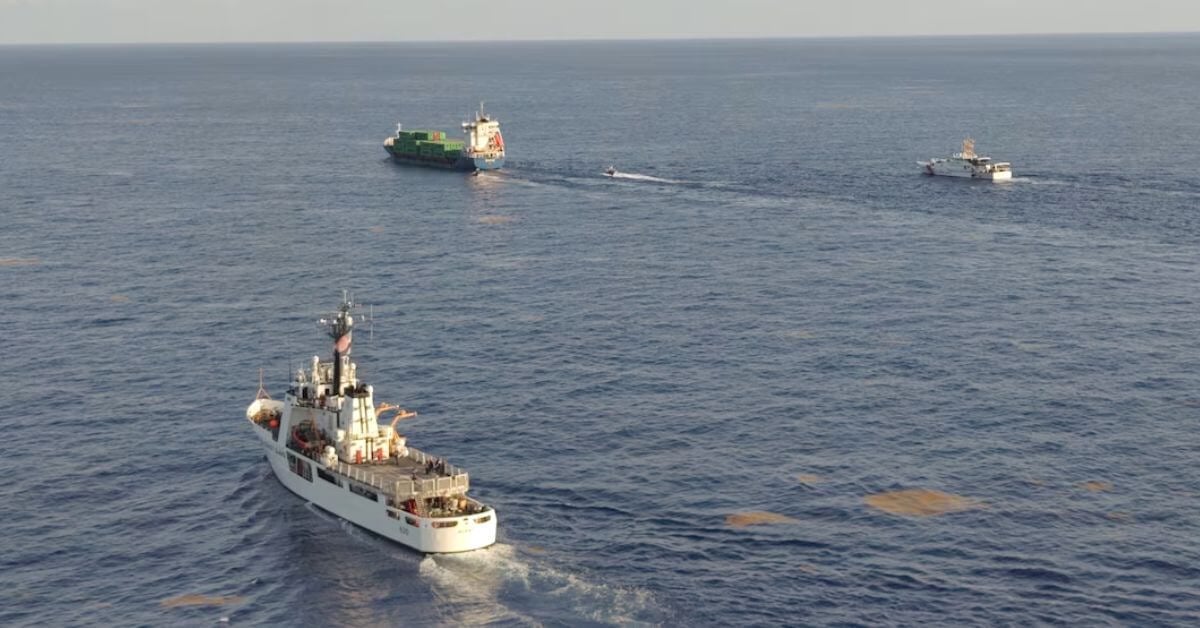
Enforcement action halts fuel shipment bound for Cuba in Gulf transit
The M/V Grace was intercepted mid-Gulf, its fuel shipment halted en route to Cuba by a targeted enforcement action. Coast Guard personnel boarded the vessel between Cuba and Mexico before diverting it to Mexico. This is border enforcement with direct geopolitical stakes, no ambiguity, no delay. For those tracking how legal frameworks meet maritime realities, our piece *Closing the Gap in Transboundary Marine Protection Through Legal Innovation* examines precisely how governance adapts when jurisdiction shifts at sea.
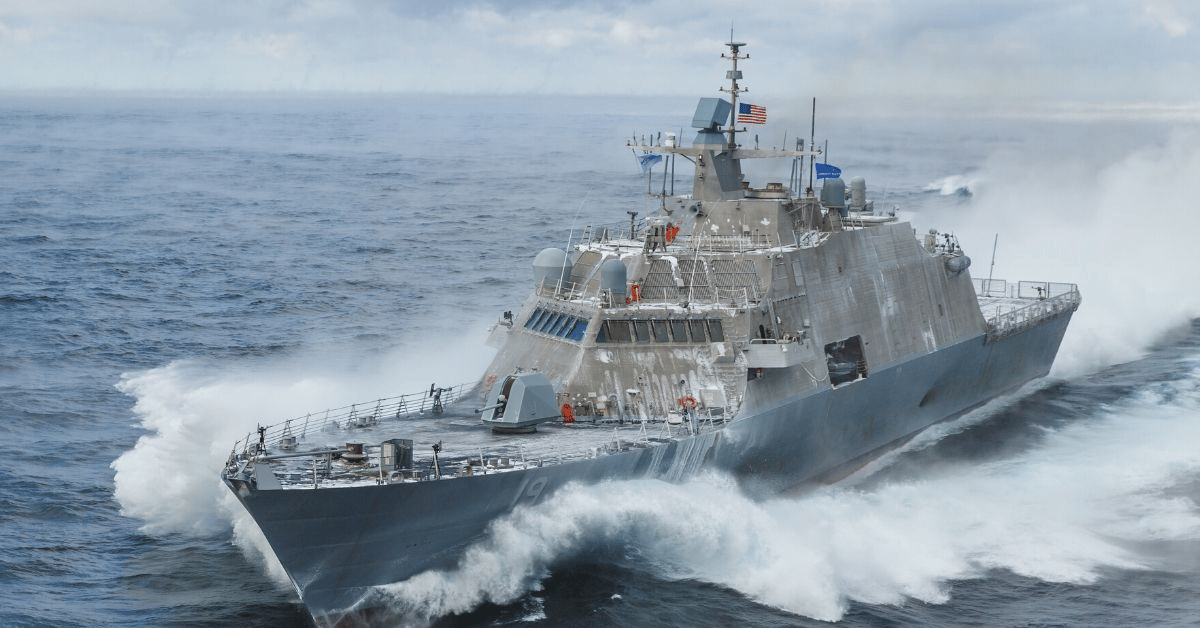
Two Navies, One Port: U.S. and Bahamian Forces Deepen Maritime Alignment
The USS St. Louis and USCGC Pablo Valent have deepened maritime alignment with Bahamian forces during a port visit to Nassau. This is not a ceremonial handshake, it is operational integration. When navies share a port, they share intelligence, response protocols, and a calibrated understanding of regional waters. For those tracking our coverage, the recent *Maritime Interdictions Yield 25,000 Pounds of Cocaine* report underscores how such cooperation directly disrupts transnational threats. Measurable alignment builds measurable security.
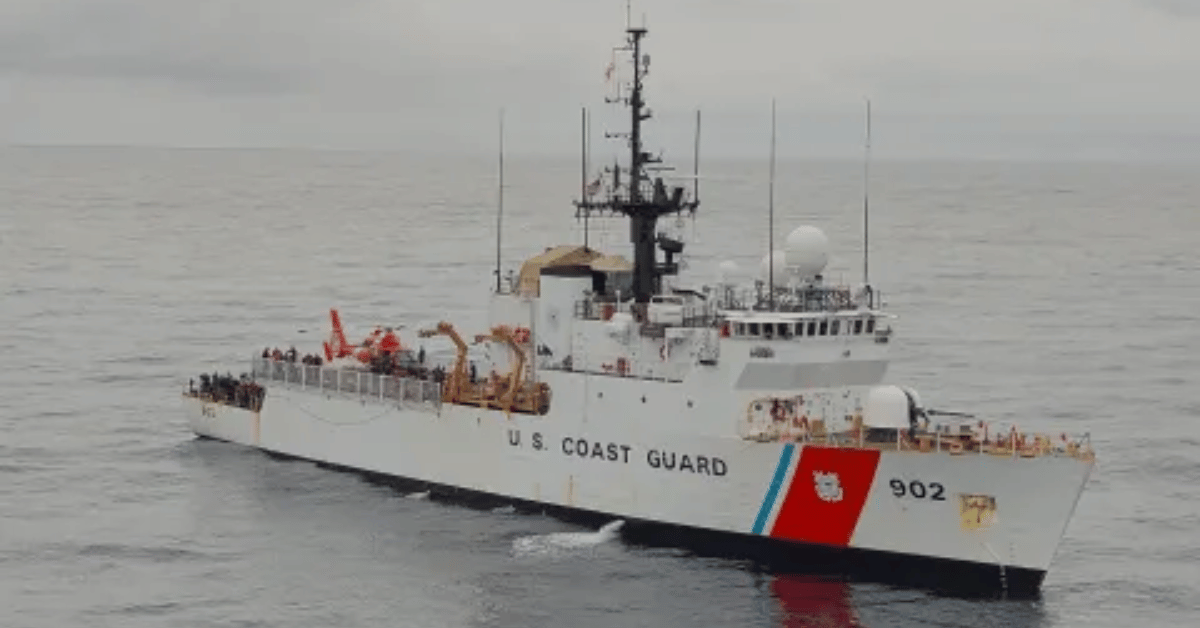
Maritime Interdictions Yield 25,000 Pounds of Cocaine, Supporting Ocean Security
The U.S. Coast Guard's interdiction of more than 25,000 pounds of cocaine in under a week is a decisive blow to illicit networks and a clear win for ocean security. Each seizure reinforces the measurable impact of persistent, coordinated patrols. This is security work with empirical results, not abstract policy. For context on how the service is strengthening its reach, Alaska's Base Kodiak to Gain Enhanced Arctic Capabilities with New Pier details infrastructure investments that extend such vigilance further north.

Coordinated Response Saves 27 From Ablaze Vessel Near Galapagos Islands
When the fishing vessel *Ricky A* pulled 27 crew members from a life raft near the Galápagos Islands, coordination became the quiet hero of the day. The container ship *Oluf Maersk* also diverted to assist, a swift, practical response that underscores how shared maritime discipline saves lives. This is the kind of real-time cooperation that strengthens ocean security.

SLNC York Crew Rescued After Water Ingress in Pacific
The crew of the U.S.-flagged SLNC York is safe after the vessel began taking on water mid-Pacific, with operator Schuyler Line Navigation Company confirming the rescue. Swift action turned a perilous situation into a measured outcome, a reminder that reliable seamanship remains the backbone of maritime safety. We track these incidents closely because each one sharpens our understanding of ocean risk.

Engine Room Fire Aboard Reefer Ship at Port of Wilmington.
Emergency teams responded to an engine room fire aboard the *Dole Colombia*, a Bahamas-flagged reefer ship at Delaware's Port of Wilmington on August 10, 2026. The incident underscores how quickly operational risks can emerge, even in port. Response efforts were immediate, and the situation was contained. For context on maritime security challenges, our related piece, "Maritime Interdictions Yield 25,000 Pounds of Cocaine, Supporting Ocean Security," highlights how agencies are also tackling broader threats at sea.

Seized Vessels' Fate: Sanctioned Oil Tankers Scrapped in India.
Two sanctioned oil tankers, the Era and the Lileo, once known by multiple names in a shadowy trading history, have been scrapped in India. Their dismantling signals a quiet, practical resolution to sanctions pressure. It is a measured outcome, not a spectacle, and it underscores how global compliance mechanisms are reshaping vessel lifecycles. For context on maritime infrastructure shifts, our piece on integrated subsea cables enhancing Indian Ocean connectivity offers a broader view of regional logistics. Enforcement, it seems, is working.

Engine Room Fire Aboard Car Carrier Reported Off Costa Rica
At 1:09 p.m. local time, the U.S. Coast Guard Southwest District received an Inmarsat distress alert from a car carrier reporting an engine room fire off Costa Rica. The incident underscores the persistent risks facing modern shipping, where mechanical failure can escalate swiftly into a safety emergency. Response efforts are now underway, though details remain limited. For broader context on recent maritime fire incidents, our coverage of the cargo ship fire near Mykonos offers a comparable case.

Securing Coastal Waters: Coast Guard Explores Counter-Drone Technologies.
The U.S. Coast Guard is moving deliberately to harden its coastal defenses, seeking industry input on counter-drone platforms that can be integrated into existing networks. This is a measured step toward addressing an evolving threat with calibrated, practical solutions. Unmanned systems demand a response that is both real-time and reliable. Understanding drives protection, and this exploration reflects that principle. For broader context on maritime security efforts, our coverage of Maritime Interdictions Yielding 25,000 Pounds of Cocaine offers a complementary view of the service's operational reach.

Caribbean Interdiction: Coast Guard Seizes $2.8M in Marijuana.
The U.S. Coast Guard offloaded $2.8 million in marijuana at Coral Harbour, Bahamas, on Monday, placing three detainees in judicial custody. This interdiction reflects a steady, calibrated approach to maritime security. Measured actions like these, while less visible than large-scale cocaine busts, reinforce the same integrated data ecosystem that supports ocean intelligence. For broader context on regional enforcement, our related article on maritime interdictions yielding 25,000 pounds of cocaine underscores the persistent pressure on illicit trafficking routes.

Nuclear Power Partnership Signals New Era for Port of Long Beach
The Port of Long Beach is moving beyond the diesel era, with a new agreement to test small modular reactor technology across cargo vessels and port infrastructure. It is a measured, credible step toward decarbonization, grounded in engineering reality rather than promise. This is the kind of integrated, forward-thinking partnership that aligns with the maritime sector's broader push for ocean intelligence. For more on how these efforts connect, see our coverage of the U.S. Coast Guard's recent interdictions.