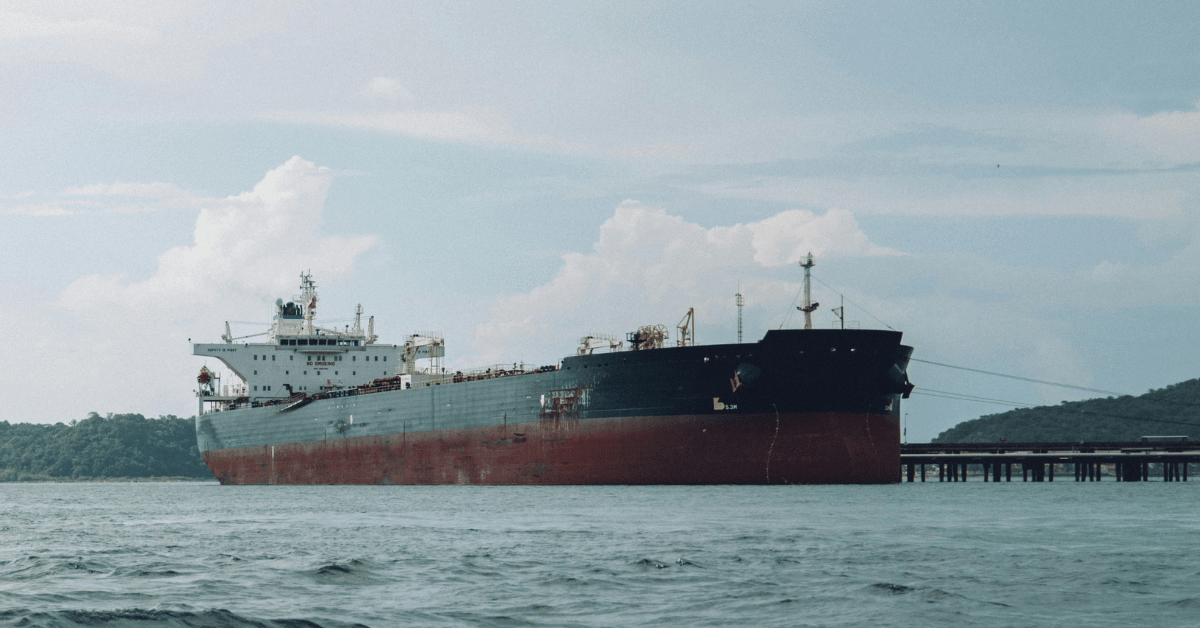
The arrest of Captain Ajay Pant in the United Kingdom is not an isolated legal incident, it is a test of how global sanctions regimes interact with the rights of seafarers who operate across contested waters. We believe the Indian government's diplomatic escalation is necessary, but it also reveals a structural vulnerability for the merchant navy officers who crew the world's fleet. Captain Pant, a 38-year-old Indian national, has been in UK judicial custody since June after British forces intercepted the oil tanker Smyrtos in the English Channel. He is charged under UK sanctions law for allegedly supplying Russian oil to a third country, a charge he denies. The case is set for trial on December 15, and he has been denied bail over flight-risk concerns. While the Ministry of External Affairs has confirmed regular consular visits and engagement with the UK Foreign Office, the core question remains: can individual officers be held criminally liable for the actions of the vessels they command under opaque sanctions frameworks?
This situation echoes broader patterns of risk for seafarers in geopolitically charged zones. We recently examined how Strait of Hormuz stability critical as India seeks safe passage for seafarers, where Indian diplomatic efforts focused on ensuring free passage for merchant crews. In that case, the threat was piracy and regional instability. Here, the threat is legal, a UK court interpreting sanctions regulations that apply to a captain who was following orders at sea. The contrast is instructive: seafarers now face risks not only from conflict zones but from the legal architecture of economic warfare. Similarly, the Coast Guard Extends Medical Support to Crew Near Vieques demonstrated how governments can act swiftly to protect crew welfare when physical health is at stake. Captain Pant's case demands the same urgency, but for legal and diplomatic health. His wife has called him a scapegoat; his mother has appealed for his return. These are not rhetorical flourishes, they reflect a systemic gap in how sanctions enforcement treats the human element.
The practical takeaway for our readers is direct: the international community lacks a calibrated, transparent mechanism to distinguish between a captain's operational responsibility and a vessel owner's commercial decisions. Captain Pant is the only crew member charged among 24 on board. That fact alone suggests the UK authorities are targeting the person in effective charge, but it also raises the question of whether the captain had any real control over the cargo's origin or destination. The charge carries a maximum sentence of 10 years. As this case unfolds, the Indian government's ability to secure consular access and fair treatment will set a precedent for how other nations protect their seafarers under similar pressure. The trial date of December 15 is now the focal point. What happens in that courtroom will determine not just one officer's fate, but the legal exposure of every merchant navy captain transiting waters where sanctions enforcement and maritime law collide.