captain
World Data Ocean keeps captain in one place: 15 stories so far. The section currently leads with “Validated by a La Paz captain: a 2026 marlin sighting”, “Captain of Russian-controlled bulker charged over 54,000 tonnes of Ukrainian grain”, and “Ferry fire tragedy prompts criminal complaint against captain amid 77 confirmed deaths”. A La Paz captain's 2026 marlin sighting adds a grounded, human-verified data point to our understanding of pelagic movement. The captain of a Russian-controlled bulker now faces charges in Ukraine over the alleged transport of 54,000 tonnes of Ukrainian grain. A Global Hub for Ocean Intelligence 4 World Data Ocean is a centralized digital platform where researchers, scientists, and ocean enthusiasts converge to… The list below is every captain story on World Data Ocean, newest first.

Validated by a La Paz captain: a 2026 marlin sighting
A La Paz captain's 2026 marlin sighting adds a grounded, human-verified data point to our understanding of pelagic movement. It is a reminder that local knowledge still calibrates the instruments we rely on for ocean intelligence. The report pairs well with broader climate indicators, though we should treat it as one observation, not a trend. For deeper context on how marine life responds to warming, our related piece on marine heatwaves offers a useful framework.
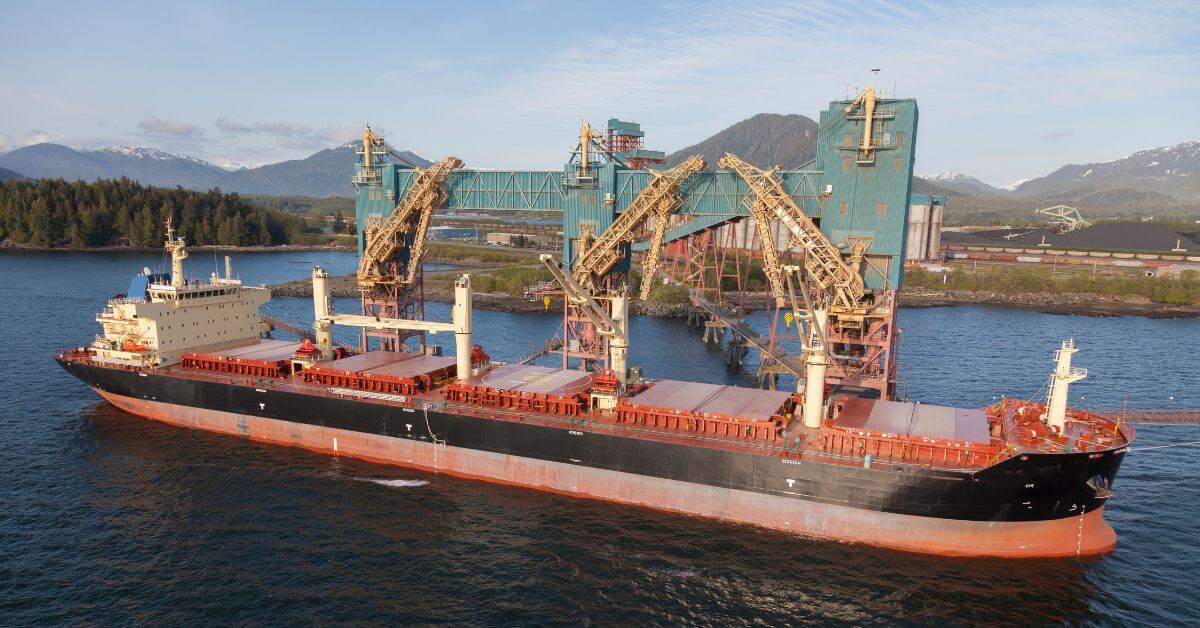
Captain of Russian-controlled bulker charged over 54,000 tonnes of Ukrainian grain
The captain of a Russian-controlled bulker now faces charges in Ukraine over the alleged transport of 54,000 tonnes of Ukrainian grain. This is not merely a shipping dispute; it is a measurable act within a larger pattern of resource exploitation. Accountability must be calibrated to the scale of the crime. For broader context on maritime accountability, see our coverage of the *June Aster* ferry fire tragedy, where a captain also faces criminal charges.
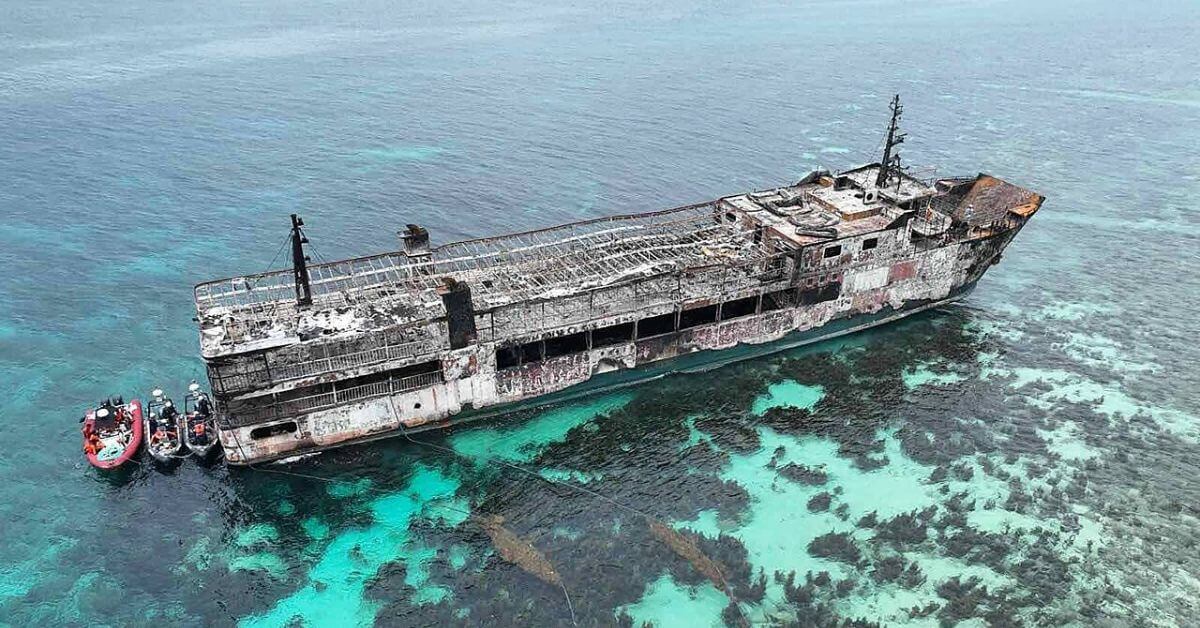
Ferry fire tragedy prompts criminal complaint against captain amid 77 confirmed deaths
Seventy-seven confirmed dead, eight still missing, and a criminal complaint now filed against the captain of the *June Aster*. This ferry fire demands accountability, but it also calls for a hard look at systemic safety failures across maritime transit. The Philippine Coast Guard's action is a necessary step, yet it cannot replace the need for rigorous, empirically validated safety protocols. For deeper context on these recurring tragedies, see our coverage of the *Virgo Transport 8* disaster. Understanding drives protection.
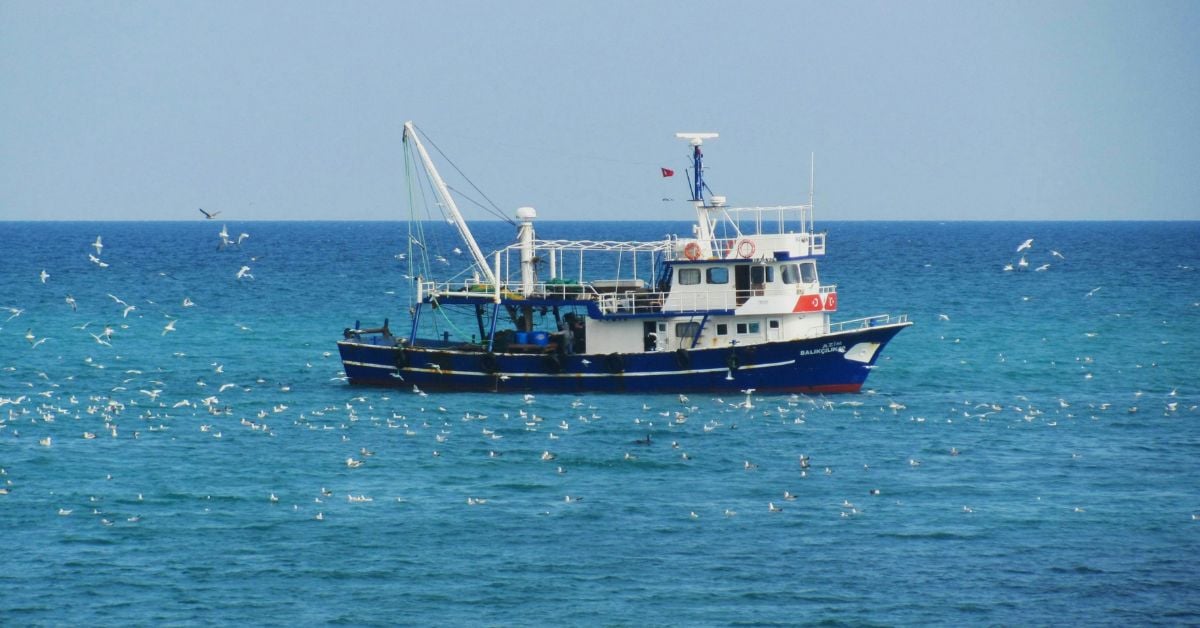
Submerged Fishing Vessel Located, Human Remains Identified
More than five years after the *Emory Jay* went down off Rhode Island on New Year's Day 2019, the vessel has been located, along with human remains identified as one of the fishermen. Closure, even partial, is a form of progress, but it underscores how slowly the sea surrenders its answers. This find is a reminder that ocean intelligence is built on persistence.
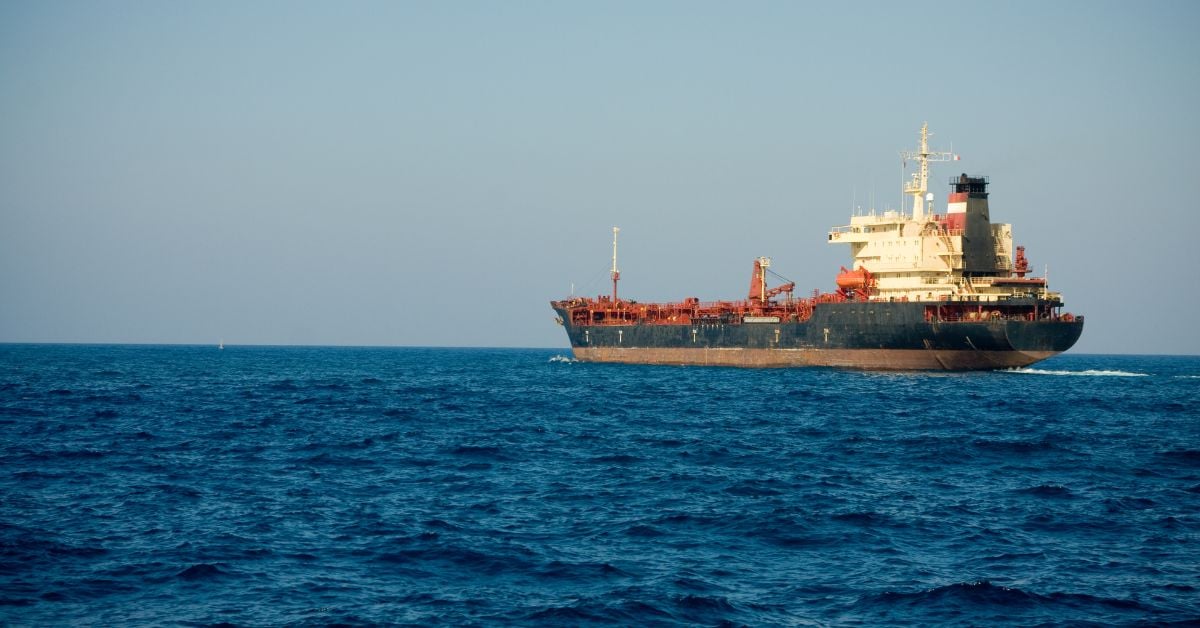
Collision Investigation: Captain and Officer Face Negligent Homicide Charges
The arrest of the ALSU's captain and 3rd Officer on negligent homicide charges marks a decisive turn in the collision's aftermath. Police acted with purpose, holding command accountable for a tragedy that demands answers. This is not about assigning blame prematurely; it is about measuring responsibility against empirical evidence. When lives are lost at sea, the standard must be exacting. For context on maritime risks, our coverage of the cargo ship fire near Mykonos underscores how quickly operations can escalate.
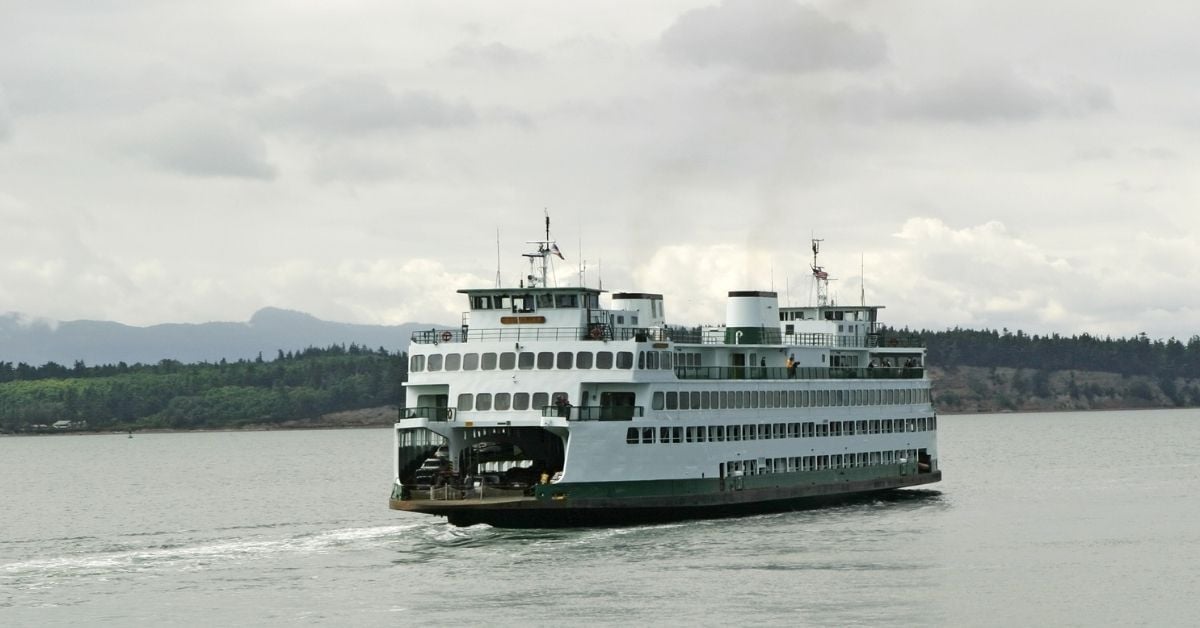
Investigation Launched After Ferry Sinking Claims Eight Lives Near Cyprus
Seven people are now detained after the sinking of the passenger ferry *FILO Jet* off Kyrenia, a tragedy that claimed eight lives. The speed of the detentions suggests investigators are moving with purpose, though many questions remain about how a vessel in coastal waters met such a fate. The loss underscores that maritime safety demands constant vigilance, not just compliance. For broader context on regional risks, our coverage of the cargo ship fire near Mykonos offers a relevant comparison. We will follow this investigation closely.

Valor Navigates Peril: Cruise Ship Avoids Collision on Mississippi River
A sudden, sharp turn on the Mississippi River turned a routine evening aboard the Carnival Valor into a moment of high alert. The vessel was forced into an emergency manoeuvre to avoid a collision, a reminder that even the most familiar waterways demand constant vigilance. It is a credit to the crew that a potential disaster became a controlled response. For more on the challenges facing maritime navigation, see our report on the cargo ship fire near Mykonos.

Fred. Olsen Cruise Lines Champions Seafarer Welfare with Pledge Commitment
Fred. Olsen Cruise Lines has become the first cruise line to sign the Seafarer Pledge, a commitment that puts crew welfare and career progression at the forefront of its operations. It is a measured step, and one that acknowledges the individuals who keep the industry moving deserve more than acknowledgment. This aligns with broader maritime momentum, such as Paradip Port's recent designation as a Mega Port, signaling a sector focused on long-term structural strength. Actions like these translate principle into practice.

Captain Sentenced for Evading Coast Guard in Extensive Pursuit.
On June 12, 2026, Kalandadze, a 47-year-old Georgian national, pleaded guilty to failing to stop for a Coast Guard cutter after an extensive pursuit. Evading law enforcement at sea is not a victimless maneuver; it undermines the very rules that keep our ocean commons secure. Such actions demand accountability. For readers tracking maritime security and governance, our coverage of the "Integrated Subsea Cables Enhance Data Transmission Across the Indian Ocean" offers a broader view of how critical ocean infrastructure intersects with enforcement challenges.

Unauthorized Access Disrupts Cruise, Highlights System Vulnerabilities
Six young men were removed from MSC Divina after breaching the ship's intercom system, a lapse that raises pointed questions about onboard security protocols. Unauthorized access, even for a prank, exposes gaps in critical communication infrastructure. Vessels carry hundreds of passengers and crew; a single system compromise can ripple into broader operational risk. This incident warrants scrutiny, not alarm. For context on maritime vulnerabilities, our coverage of the cargo ship fire near Mykonos offers a parallel look at how quickly situations escalate at sea.

Iceland Impounds Whaling Protest Vessel, Escalating Ocean Advocacy Tensions
The impoundment of the whaling protest vessel in Reykjavík marks a sharp escalation in ocean advocacy tensions, a move that carries measurable weight for those monitoring marine policy. The vessel's escorted arrival at Sundahöfn harbour underscores the calibrated, state-level response to direct action, yet it also raises questions about the boundaries of lawful protest at sea. Paul Watson's absence during the operation adds an unresolved layer.

Collision Under Investigation: Maritime Incident Claims Lives Off Sweden
Swedish prosecutors have arrested the captain of a Norwegian-flagged cargo ship following a fatal collision with a recreational boat off Sweden's coast. Lives were lost. Investigations are underway, and the incident demands rigorous, empirical scrutiny. Maritime safety is not negotiable. For deeper context on the dangers vessels face at sea, see our related coverage of the cargo ship fire near Mykonos. Understanding drives protection, on every ocean.

Navigational Risk Spurs Incentives: Seafarers Rewarded for Hormuz Passage
Sinokor Group, the world's largest supertanker owner, is now offering seafarers an additional six months' salary to transit the Strait of Hormuz. That is a direct, measurable acknowledgment of elevated risk, and it reflects a sobering reality for those who keep energy moving through one of the globe's most contested chokepoints. The incentive is practical, not sentimental. It underscores how commercial resilience now depends on human retention as much as fleet capacity.

Azerbaijani Captain Honored After Deadly Attack Near Odesa
The attack on the Atlas Bey off Odesa brings a stark human dimension to the ongoing conflict, and Captain Samad Nasrullayev's honor is well-earned. His composure under fire reflects the resilience required of civilian mariners navigating these dangerous waters. While military objectives dominate headlines, the loss and bravery here are personal. For a deeper look at how such strikes fit into the broader pattern of port infrastructure damage, our piece on confirmed military action near Odesa offers that context.

Maritime Leader Admits to Assault, Underscoring Safety Concerns.
A federal court has now heard John Merrone admit to what many in the maritime community might have suspected: he gave a 21-year-old cadet an intoxicant without her consent before sexually assaulting her. The admission cuts against the industry's often-silent culture, where rank and authority can overshadow basic safety. Safety at sea is not merely about navigation or cargo; it is about the people aboard. This case should push operators to examine their own vessels, much like the recent fire near Mykonos tested emergency protocols.