earthquake
World Data Ocean keeps earthquake in one place: 3 stories so far. The section currently leads with “Cascadia and San Andreas: Evidence Suggests Sequential Earthquake Risk”, “Earthquake Alters Costa Rican Seep, Testing Chemosynthetic Ecosystem Resilience”, and “Cascadia and San Andreas: Linked Earthquake Risk Emerges from Ocean Data”. Beneath the Pacific, 3,100 years of ocean sediments tell a story of linked rupture: the Cascadia subduction zone and northern San Andreas fault may occasionally fail in near-tandem, unleashing earthquakes minutes to… A 6.5 magnitude earthquake struck the Pacific Costa Rican Margin in November 2017, and the resulting data is reshaping what we know about deep-sea resilience. A Global Hub for Ocean Intelligence 4 World Data Ocean is a centralized digital platform where researchers, scientists, and ocean enthusiasts converge to… The list below is every earthquake story on World Data Ocean, newest first.
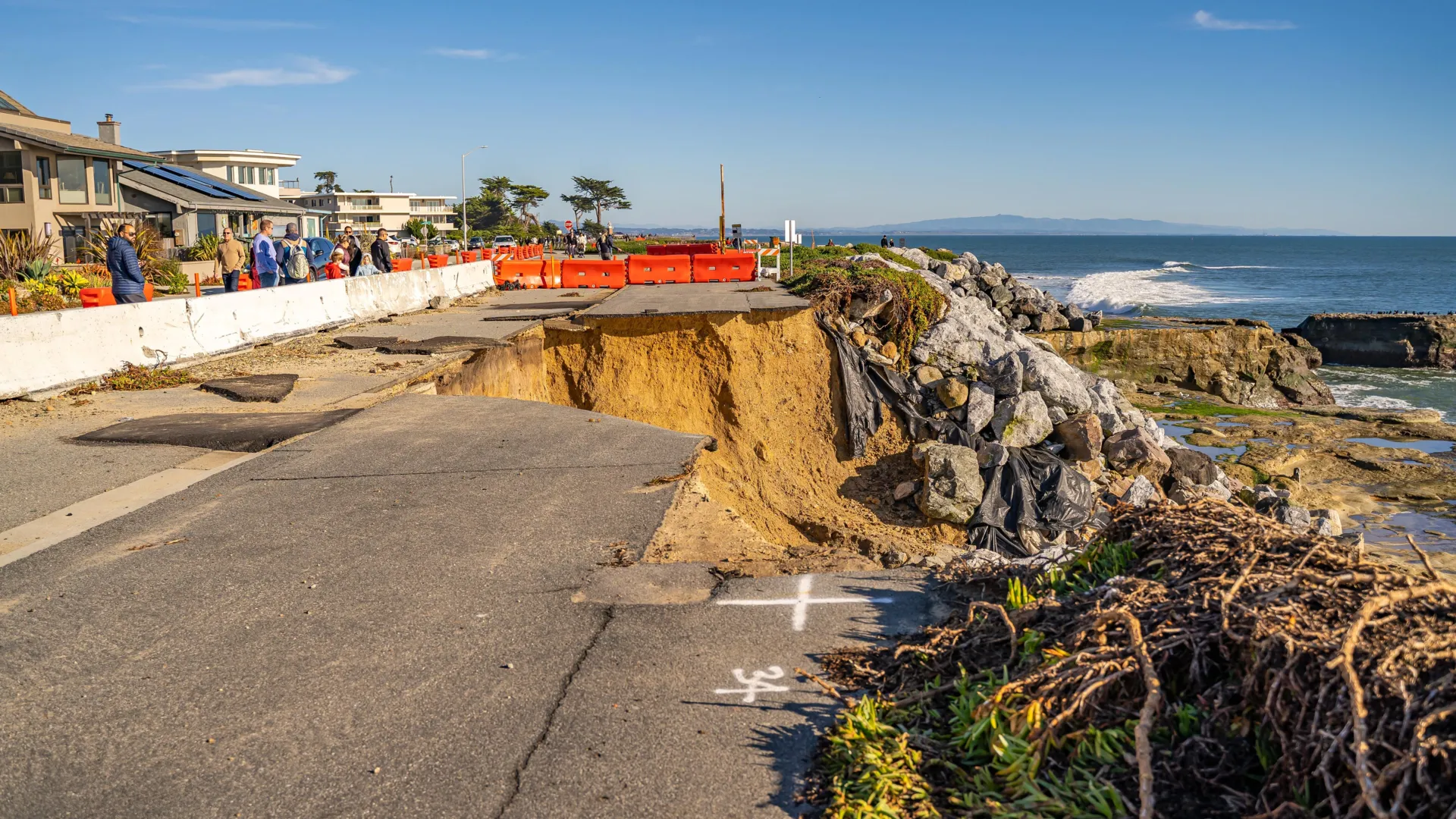
Cascadia and San Andreas: Evidence Suggests Sequential Earthquake Risk
Beneath the Pacific, 3,100 years of ocean sediments tell a story of linked rupture: the Cascadia subduction zone and northern San Andreas fault may occasionally fail in near-tandem, unleashing earthquakes minutes to hours apart. The 1700 event looms large in this record, and the implication is sobering. If synchronization recurs, West Coast cities could face simultaneous emergencies. This is the kind of integrated hazard that demands our attention.

Earthquake Alters Costa Rican Seep, Testing Chemosynthetic Ecosystem Resilience
A 6.5 magnitude earthquake struck the Pacific Costa Rican Margin in November 2017, and the resulting data is reshaping what we know about deep-sea resilience. Researchers mapped shifts in seepage and species distribution across Mound 12, finding that vesicomyid clams acted as pioneers by relocating in response to changing abiotic signals. This is direct evidence of movement in a methane-seep habitat. It suggests these ecosystems may recover from disturbance, but recovery is not uniform.
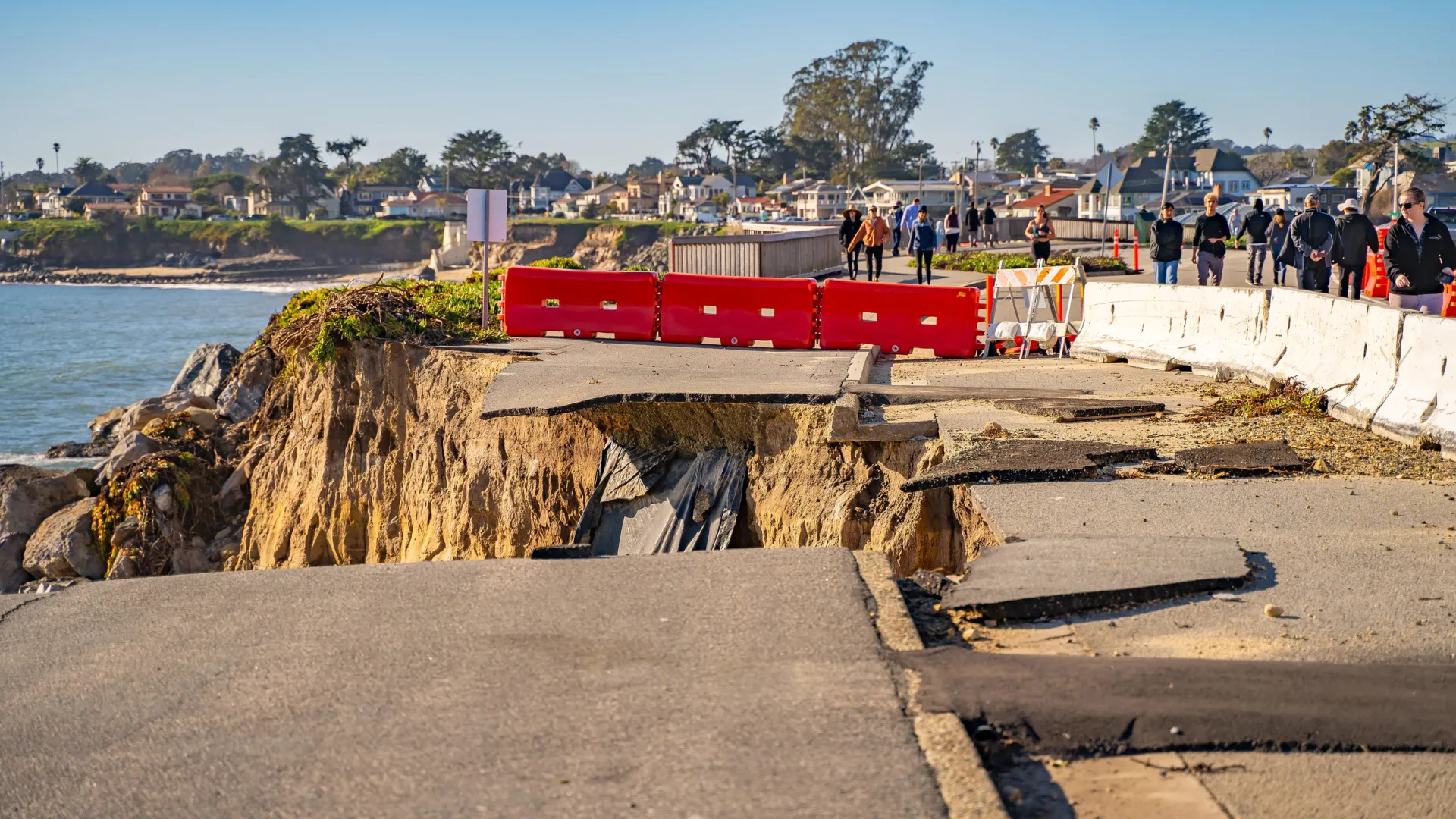
Cascadia and San Andreas: Linked Earthquake Risk Emerges from Ocean Data
Sediment layers preserved in the ocean floor now suggest that a major Cascadia rupture may have repeatedly triggered a second quake on the San Andreas Fault. The pattern, drawn from thousands of years of underwater landslide records, points to a troubling possibility: these two fault systems may not always act alone. The finding reframes how we understand seismic risk along the West Coast.