Captain’s Body Recovered 2 Weeks Following Ship Collision In The Sea Of Marmara
Our take
The recovery of Captain Yaşar Kayhan’s body two weeks after the collision in the Sea of Marmara is a somber reminder of the inherent risks faced by maritime professionals and the often-delayed consequences of such incidents. The circumstances surrounding the accident, and now the discovery of the captain's remains, underscore the complexities of marine investigations and the importance of robust safety protocols. Recent events within the broader maritime sector highlight similar concerns; the ongoing investigation into the China Opens Probe Into Deadly Cargo Ship Fire That Killed 25 At Qingdao Shipyard and the troubling situation involving a Ship Carrying 14 Indian Crew Members Attacked Off Oman Coast, 1 Missing demonstrate a concerning pattern of safety failures and the potential for devastating human loss. These incidents, alongside the tragic sinking of the Indonesian Ferry Carrying 243 Sinks In Java Sea Leaving One Dead And 140 Missing, collectively point to a need for intensified oversight and a renewed focus on preventative measures across global shipping lanes.
The delay in recovering Captain Kayhan’s body, and the subsequent forensic examination, introduces a crucial element of uncertainty into the accident investigation. Determining the precise cause of death, separate from the initial collision, will be vital to understanding the full scope of the incident and identifying any contributing factors. Was the captain incapacitated immediately, or were there subsequent events that led to his demise? The findings of the forensic department will be rigorously scrutinized alongside the data recovered from the vessel's voyage data recorder (VDR) and any witness testimonies. Integrated data ecosystems, capable of correlating real-time vessel tracking data with environmental conditions and operational parameters, could potentially provide valuable insights into such accidents, allowing for more accurate reconstruction of events and identification of potential systemic weaknesses. This emphasizes the need for longitudinal data collection and analysis to establish clear correlations between operational practices and safety outcomes.
Beyond the immediate investigation, this incident should prompt a broader examination of maritime safety regulations and enforcement practices in the Sea of Marmara and similar high-traffic waterways. The region’s strategic importance as a critical shipping route means that vessels of various sizes and nationalities frequently navigate its waters, potentially creating complex operational scenarios. Calibrated risk assessments, incorporating factors such as vessel density, weather patterns, and navigational hazards, are essential for mitigating the likelihood of collisions. Furthermore, peer-reviewed studies on human factors in maritime accidents consistently highlight the importance of crew training, fatigue management, and communication protocols. Ensuring that these elements are effectively implemented and regularly audited is paramount to preventing future tragedies.
The loss of Captain Kayhan, and the ongoing investigations into other maritime disasters, underscore the need for a proactive and data-driven approach to ocean safety. While technological advancements such as enhanced radar systems and autonomous navigation tools offer promising avenues for improvement, they must be integrated with robust regulatory frameworks and a culture of safety that prioritizes human well-being. The question now is whether these incidents will serve as a catalyst for meaningful change, leading to a more resilient and secure maritime environment globally, or if they will be relegated to statistics within a larger, ongoing pattern of preventable loss.
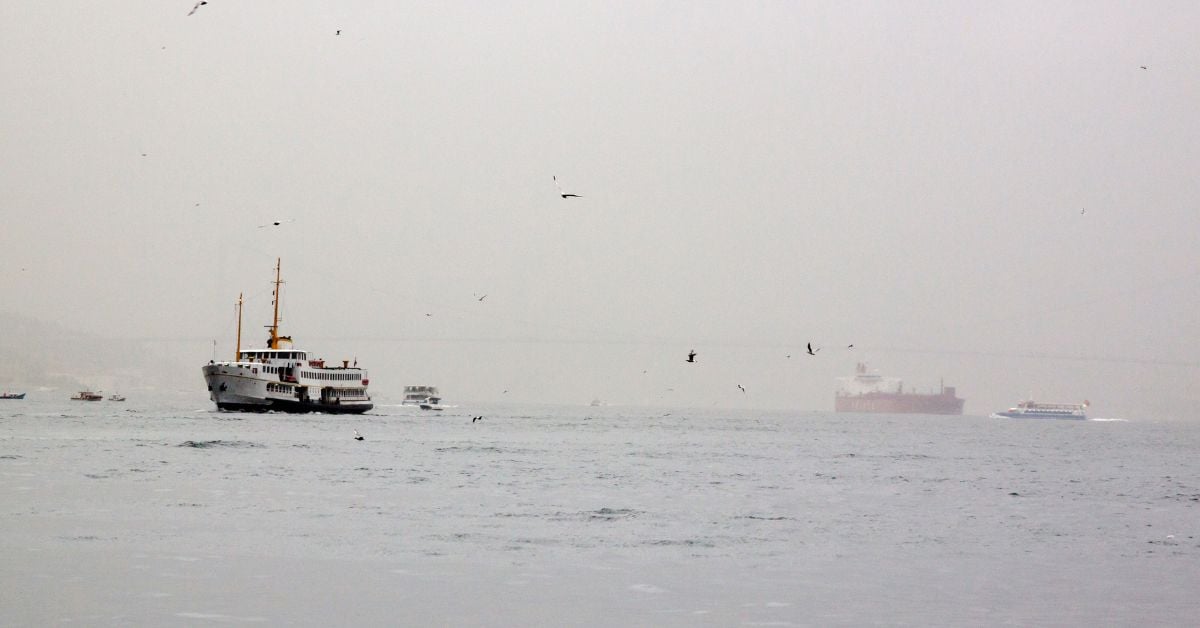
The body of the captain whose cargo ship, the Tugberk Imamoglu, sank after colliding with a tanker was recently found as search and rescue operations continue to search for the 9 missing crew members in the Sea of Marmara.
Yaşar Kayhan’s body was recovered 5 km from the site of the accident and was then sent to the forensic department to identify the cause of death.
Cargo ship Imamoglu collided with Alsu tanker 18 nm off Silivri when the latter was sailing to Aliaga Port from Kocaeli, and the former was headed to Karadeniz Eregli from the Iskenderun Port.
The impact and the heavy cargo of rolled steel caused the Tugberk Imamoglu to sink within minutes, and its 10 crew members went missing, of whom the captain’s body has now been found.
The Coast Guard of Turkiye, the Naval Forces and the General Directorate of Coastal Safety are coordinating their efforts to find the missing crew.
The wreck of Imamoglu was identified 4 days after the accident, with the assistance of a rescue vessel named TCG Akin, which is part of the Turkish naval fleet, along with the use of sonar systems and a remotely operated vehicle.
After the sunken ship was found, the underwater scanning and diving operations were started, along with an investigation which is being led by the Chief Public Prosecutor’s Office in Silivri.
The officials conducting the investigation assured that all required procedures were being carried out to determine the circumstances of the incident.
The authorities also expressed their condolences to the family members of the deceased.
Read on the original site
Open the publisher's page for the full experience