Busan Coast Guard Raids 5 Locations Including Shipping Company Over Tugboat Accident That Left 5 Crew Missing
Our take
The recent Busan Coast Guard raids following the sinking of the tugboat *TNS Catcher*, leaving five crew members missing, underscore a recurring and deeply concerning issue within maritime operations: the critical need for rigorous safety protocols and thorough investigations when incidents occur. The loss of life at sea is a stark reminder of the inherent risks involved, and while accidents can happen, the subsequent investigation’s scope – encompassing five locations including the shipping company – signals a potential systemic failure that warrants careful scrutiny. This event follows closely on the heels of similar investigations, such as the [U.S Coast Guard Inquiry Finds Port Safety & Infrastructure Gaps After Baltimore Key Bridge Disaster Involving MV Dali], highlighting a global pattern of inadequate safety assessments and infrastructure vulnerabilities. Further emphasizing the complexities of maritime safety, the recent [Yemen Detains Sanctioned Tanker After Armed Guards Fire On Coast Guard Patrol Following Houthi Port Call] demonstrates the intersection of geopolitical instability and operational risk, factors which inevitably influence maritime safety standards and enforcement.
The immediate focus, of course, is on the search and rescue efforts for the missing crew, and our thoughts are with their families. However, the Coast Guard’s actions indicate a determination to uncover the root causes of the accident, moving beyond a simple determination of fault to examine potential broader issues within the shipping company’s operational practices. The fact that only one crew member was able to reach safety suggests a potential failure in emergency procedures, equipment, or training – areas that demand immediate and comprehensive review. Longitudinal data analysis of similar incidents across various maritime regions could reveal patterns and trends, ultimately informing the development of more effective preventative measures. The integrated data ecosystem needed for such analysis requires robust reporting mechanisms and standardized data formats, allowing for a truly global perspective on maritime safety.
The investigation will likely focus on several key areas: the vessel’s maintenance history, crew training and certifications, adherence to safety regulations, and the operational procedures in place at the time of the incident. It's crucial that the investigation is transparent and independent, ensuring that all findings are publicly available and that any identified shortcomings are addressed swiftly and decisively. The maritime industry operates within a complex regulatory framework, but enforcement remains a significant challenge. Real-time monitoring of vessel operations, coupled with calibrated risk assessment tools, can significantly reduce the likelihood of future accidents. Peer-reviewed studies on the effectiveness of various safety interventions should be actively consulted to inform policy and practice.
Ultimately, this incident serves as a potent reminder of the vital importance of ocean intelligence and the ongoing need for improved maritime safety standards. The development of more sophisticated climate indicators, coupled with enhanced data collection and analysis, can also help predict and mitigate risks associated with changing environmental conditions – a factor increasingly impacting maritime operations worldwide. Moving forward, it will be essential to assess whether existing regulations are sufficient to address the evolving challenges facing the maritime industry, and whether current enforcement mechanisms are adequately resourced and effective. A key question remains: how can we foster a culture of proactive safety within the maritime sector, where prevention is prioritized over reaction, and where the well-being of seafarers remains the paramount concern?
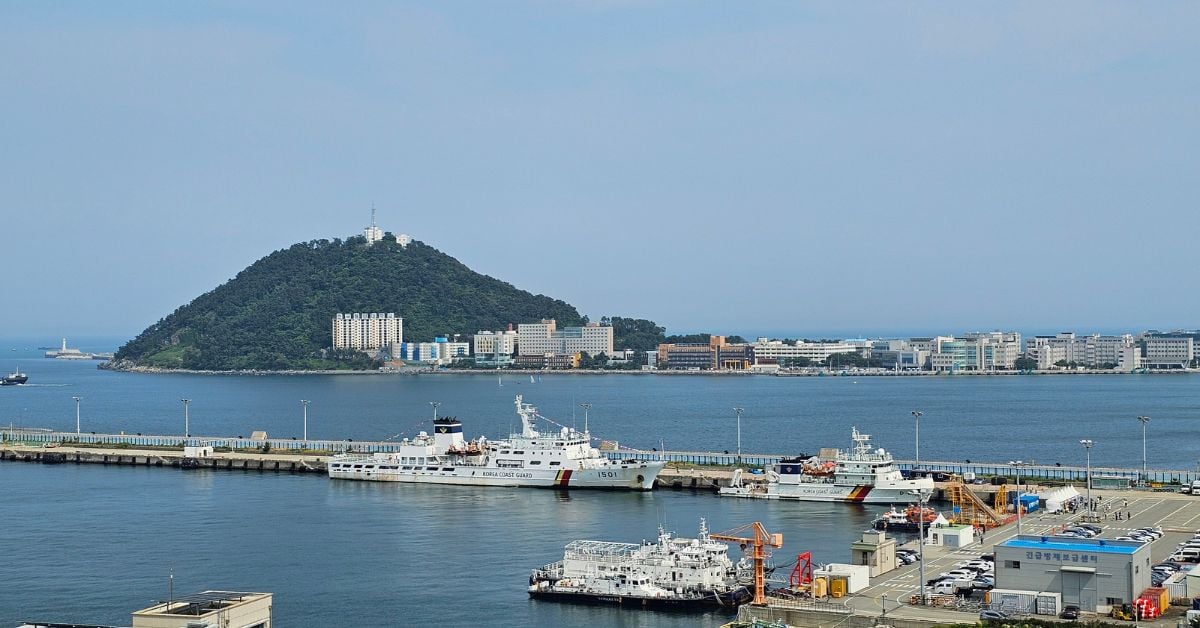
Raids were conducted on the working spaces of atleast 6 companies, including a shipping firm, to seize documents and find important information relating to the capsizing of the tugboat TNS Catcher, whose 6 crew members remain missing, reported the Busan Coast Guard.
TNS Catcher had an 8-member crew, of which one was able to climb to the tug’s top when it began to sink. The container ship crew used a ladder to rescue the helpless cook. Another crew member was found unconscious close to the tug and was declared dead when he was taken to the hospital.
The search remains ongoing, after being suspended for a few days due to bad weather conditions. Both the Navy and the Coast Guard are looking for the seafarers, covering a wider area.
On September 8, 2026, the Coast Guard deployed 15 ships and 7 aircraft to search an area of 19 miles, along with 48 personnel from the Busan and Ulsan Coast Guards, to use Thermal observation equipment to be able to locate the missing crew even in the dark.
The Coast Guard, which sent 41 investigation experts to the team, has not revealed what they were searching for or how the companies are related to the case.
The tugboat was one of the three which helped to manoeuvre the container vessel MSC Ikaria VI.
The Coast Guard also retrieved the video footage of the incident, which shows the tugboat was pulling the container ship from its starboard side, after which it turned and lost stability.
The angle of the turn, the speed of the tug and the position of the tugboat in relation to the container ship will be taken into consideration to understand what caused it to roll over and sink.
The TNS Catcher was afloat for many hours before it finally sank and drifted a few miles before finally going down.
The Navy idenified identified it at a water depth of 285 feet or 87 metres. The tug was constructed in 2007 and measured 34 m lengthwise with a gross tonnage of 444.
Investigators decided that they would deploy remotely operated vehicles to thoroughly search the wreck once visibility improves.
The Liberian-registered container vessel with a 5576 TEU capacity has been ordered to remain at the Busan Port until further notice to aid in the investigation.
Read on the original site
Open the publisher's page for the full experience